UAE Mulls Freezing Iranian Assets: WSJ Reports Potential Billions Freeze as Iran-U.S.-Israel War Escalates
Abu Dhabi — The United Arab Emirates is actively considering freezing billions of dollars in Iranian assets held within its territory, a potential economic countermeasure that could severely disrupt Tehran's access to foreign currency and global trade networks, according to a report published Thursday by The Wall Street Journal.

Citing people familiar with the discussions, the WSJ said Emirati authorities have privately warned Iranian officials that such steps are under serious review, though no final decision has been made on implementation or timing. The move would mark a sharp departure from the UAE's longstanding position of financial neutrality in regional disputes, reflecting mounting anger over recent Iranian missile and drone attacks on Gulf targets.
The deliberations come amid a rapidly widening conflict that erupted late February 2026, when coordinated U.S. and Israeli strikes targeted Iranian military sites, nuclear facilities and senior leadership, including the reported killing of Supreme Leader Ayatollah Ali Khamenei. Iran retaliated with waves of ballistic missiles and drones aimed at Israel and U.S. assets across the region, including strikes on civilian infrastructure, airports, ports and oil facilities in the UAE, Saudi Arabia, Qatar, Bahrain, Kuwait and Oman.
The UAE has borne a significant portion of the Iranian barrage, with officials reporting the interception of hundreds of projectiles since the conflict intensified. Debris from intercepted drones and missiles has fallen in high-profile areas like Dubai's Palm Jumeirah and near landmarks such as the Burj al-Arab. Casualties in the UAE include at least three fatalities — Pakistani, Nepalese and Bangladeshi nationals — and dozens injured from collateral damage. The defense ministry stated that since the war began, it has destroyed most of the nearly 200 ballistic missiles and over 900 drones launched toward the country.
Financial measures under consideration range from targeted freezes on assets linked to UAE-based shell companies — often used to obscure Iranian trade and evade sanctions — to broader crackdowns on local currency exchanges central to Iran's informal money-transfer systems. These networks have long served as lifelines for Tehran, allowing it to bypass Western sanctions and move funds for imports, exports and support to regional proxies.
The potential asset freeze could cripple Iran's economy at a critical juncture. Already strained by years of international isolation, Tehran's access to hard currency has dwindled, exacerbating inflation, currency devaluation and shortages. Freezing Gulf-held funds would compound pressure from the ongoing military campaign, which has disrupted Iranian command structures and triggered an interim leadership council amid leadership vacuums.
The UAE's reported stance aligns with a hardening regional posture among Gulf states. Analysts note that Iranian strikes on civilian and economic targets — including data centers causing service interruptions and threats to oil infrastructure — have shattered perceptions of Gulf neutrality. Qatar and other neighbors have expressed similar outrage, with some officials describing Iran's actions as crossing a "red line."
Despite the escalation, Emirati leaders have publicly emphasized a desire to avoid widening the conflict. Officials reiterated that the UAE seeks no direct military entanglement and believes lasting solutions lie beyond force. However, sources indicate discussions include other options, such as potential maritime actions like seizing Iranian vessels in response to threats in the Strait of Hormuz.
The conflict's spillover has already reshaped regional dynamics. Airspace closures forced major carriers like Emirates and Etihad to ground flights, stranding travelers and prompting emergency evacuations via private jets or overland routes. U.S. military deployments in the region have increased, with additional troops and fighter jets announced to bolster defenses.
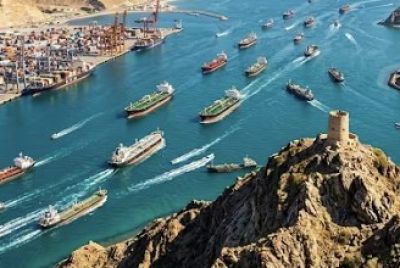
Global repercussions continue to unfold. Oil prices have surged on fears of supply disruptions, while shipping through the Persian Gulf faces heightened risks. Diplomatic efforts, including prior Oman-mediated talks on Iran's nuclear program, appear stalled amid the violence.
The WSJ report, echoed by Reuters, CNBC and other outlets, underscores the financial dimension of the crisis. While the UAE has historically hosted Iranian business interests and facilitated trade, the current war has eroded that tolerance. Targeting shadow financing could align the UAE more closely with U.S. and Israeli objectives without direct combat involvement.
No official Emirati confirmation has emerged, and discussions remain fluid. Iranian state media has not directly addressed the asset freeze reports but has framed its strikes as defensive retaliation against aggression.
As the war enters its second week, the prospect of economic escalation adds another layer to an already volatile situation. Whether the UAE proceeds with asset freezes could signal a broader shift in Gulf policy toward Iran, potentially isolating Tehran further and complicating any path to de-escalation.
Observers monitor closely for announcements from Abu Dhabi, as any action would reverberate through global markets and intensify pressure on all parties in the widening Middle East conflict.
© Copyright 2026 IBTimes AU. All rights reserved.
- Recommended For You