UAE Declares Partial Airspace Closure, Sends Emergency Alert in Abu Dhabi Amid Escalating Iran Conflict
The United Arab Emirates imposed a temporary partial closure of its national airspace on February 28, 2026, as an "exceptional precautionary measure" amid heightened regional tensions following joint U.S.-Israeli strikes on Iran and subsequent Iranian retaliatory missile launches. Authorities in Abu Dhabi dispatched an emergency text alert to residents shortly before 2 p.m. local time, urging vigilance as explosions were reported in the capital and air defense systems intercepted incoming projectiles.

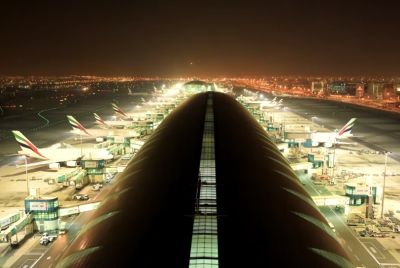
The General Civil Aviation Authority (GCAA) announced the airspace restriction in coordination with national security entities and international partners. The move aimed to safeguard civilian flights, aircrews and UAE territory following a comprehensive risk assessment. Airports including Zayed International in Abu Dhabi and Dubai International remained operational for ground handling, but flight schedules turned highly fluid with widespread cancellations and diversions.
Etihad Airways, based at Zayed International, confirmed impacts on operations, with several departures delayed or rerouted. International carriers followed suit: Wizz Air suspended all flights to and from Dubai, Abu Dhabi, Israel and Amman until March 7. Other airlines, including flydubai, reported disruptions due to closures over Iraq, Iran and Israel. European carriers like British Airways canceled services to Tel Aviv and Bahrain through March 3.
The airspace decision aligned with similar actions by Qatar, Kuwait, Bahrain and Iraq, which fully suspended civilian traffic. Israel's airspace closed to all non-military flights, while Iran's Civil Aviation Organization halted operations for at least six hours.
In Abu Dhabi, the Ministry of Interior issued an emergency alert via text message around 2 p.m., instructing residents to stay informed and follow official guidance. The alert coincided with reports of loud explosions and air defense activity. Residents described hearing blasts, with smoke visible near Al Dhafra Air Base, a facility shared by UAE forces and U.S. personnel.
State media reported that UAE air defenses intercepted multiple Iranian ballistic missiles with high efficiency. One fatality occurred in Abu Dhabi when debris from an intercepted projectile fell in a populated area, according to the state news agency WAM and Reuters. Emergency services treated several people for minor injuries. The UAE Ministry of Defence condemned the incident as a "blatant attack" and reserved the right to respond, emphasizing sovereignty violations.
The U.S. Embassy in Abu Dhabi and Consulate in Dubai instructed staff to shelter in place, recommending the same for American citizens. The advisory urged finding secure locations, stocking essentials and monitoring news. U.S. citizens received contact details for consular assistance and were encouraged to enroll in the Smart Traveler Enrollment Program.
Britain updated travel advice for the UAE, advising nationals to take precautions, avoid military sites and sign up for Foreign Office alerts. The government highlighted risks of disruptions and unforeseen impacts from the evolving situation.
Explosions echoed across Gulf states hosting U.S. assets. Bahrain reported missile strikes near the U.S. Navy's Fifth Fleet headquarters in Manama, activating sirens. Qatar's National Emergency Alert urged residents to stay indoors and avoid military premises. Kuwait, Qatar and Saudi Arabia's Riyadh also experienced blasts, per AFP and other reports.
The developments stemmed from U.S.-Israeli "major combat operations" targeting Iranian leadership, missile sites and nuclear facilities early Saturday. Iran vowed retaliation, launching barrages that struck Israeli cities and Gulf locations. Tehran described the initial strikes as "barbaric aggression."
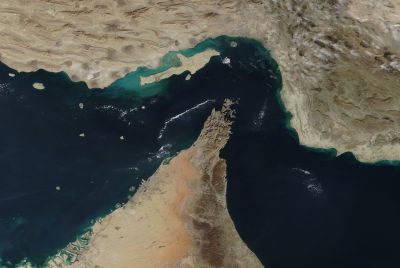
Oil prices spiked over 15% in early trading on fears of supply disruptions through the Strait of Hormuz. Global markets opened lower, with airlines and tourism stocks hit hardest.
Humanitarian organizations prepared for potential civilian impacts. The International Committee of the Red Cross mobilized resources, while Amnesty International called for protections in urban areas.
The GCAA pledged ongoing coordination with carriers to assist stranded passengers, activating emergency airport operations. Updates remained fluid, with authorities urging the public to rely on official channels.
As the situation unfolded, the UAE maintained high readiness, monitoring developments closely. The partial closure and alerts underscored the rapid spread of the conflict beyond Iran and Israel, drawing in Gulf allies and heightening risks for civilians and aviation.
Travelers faced widespread chaos, with many rerouted or stranded. Experts warned of prolonged disruptions if hostilities continued.
The UAE's response balanced precaution with operational continuity, reflecting its strategic position amid escalating Middle East tensions.
© Copyright 2026 IBTimes AU. All rights reserved.
- MOST POPULAR IN Politics & Policy