UAE President Sheikh Mohamed bin Zayed Holds Phone Call With Saudi Crown Prince Mohammed bin Salman
UAE President Sheikh Mohamed bin Zayed Al Nahyan received a phone call Saturday from Saudi Arabia's Crown Prince and Prime Minister Mohammed bin Salman bin Abdulaziz Al Saud to discuss recent regional developments, including Iran's ballistic missile attacks on the UAE and other Gulf states, according to the UAE's official news agency WAM.
The conversation, reported late February 28, 2026, came hours after Iran launched retaliatory strikes targeting U.S. military assets and Gulf allies in response to joint U.S.-Israeli operations against Iranian leadership and facilities earlier that day. The Saudi Crown Prince expressed the Kingdom's strong condemnation of the Iranian attacks, affirmed full solidarity with the UAE and offered all available resources to support any measures Abu Dhabi might take.
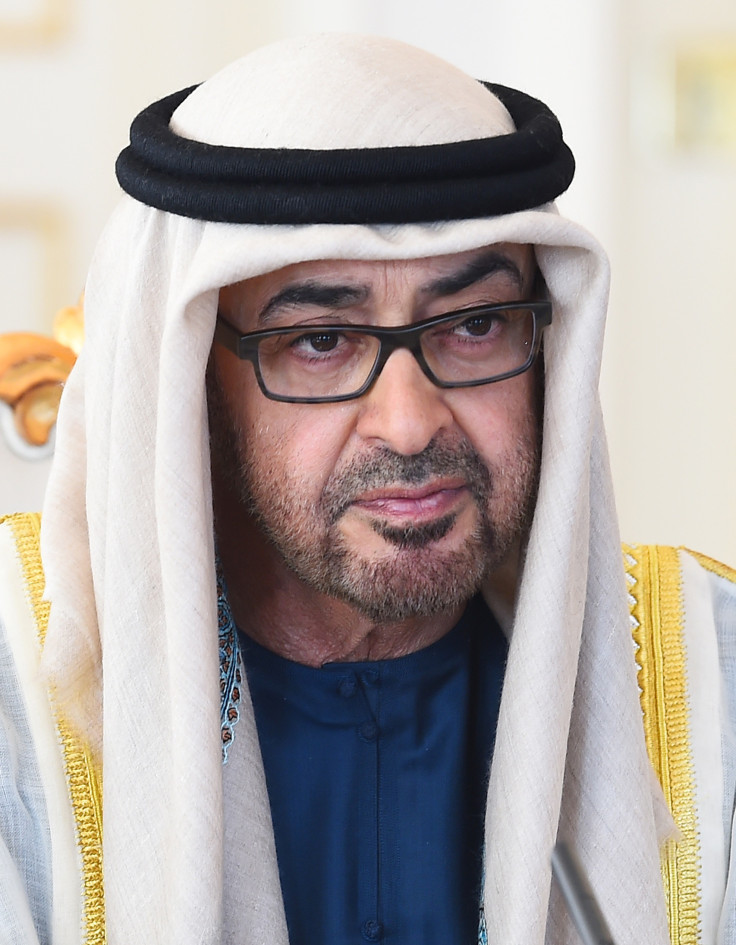
Sheikh Mohamed expressed appreciation for Saudi Arabia's firm stance, fraternal solidarity and readiness to stand by the UAE. Both leaders warned of the serious consequences of continued violations of state sovereignty and international law, describing the actions as a dangerous escalation threatening regional security and stability. They called for restraint and emphasized pursuing diplomatic solutions to safeguard the region's security.
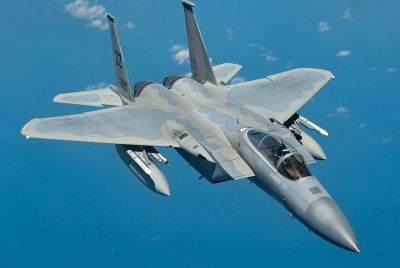
The call underscored close coordination between the two Gulf powers amid heightened tensions. It marked a show of unity following Iran's missile barrages, which UAE air defenses intercepted with high efficiency. Debris from interceptions caused one fatality in Abu Dhabi and material damage in residential areas, while explosions were reported in Bahrain, Qatar, Kuwait and near other U.S.-hosted sites.
Saudi Arabia separately condemned the attacks in the strongest terms, denouncing them as a flagrant violation of sovereignty against the UAE, Bahrain, Qatar, Kuwait and Jordan. The Kingdom's foreign ministry statement urged the international community to denounce the aggression.
The dialogue highlighted Gulf states' shared concerns over Iranian actions, especially after missiles targeted countries hosting American forces. Bahrain reported strikes near the U.S. Navy's Fifth Fleet headquarters in Manama, with residents evacuated from nearby areas. Qatar intercepted projectiles, and similar alerts activated in Kuwait and Saudi Arabia's Riyadh.
The UAE Ministry of Defense described the incident as a "blatant attack" and reserved the right to respond, stressing that targeting civilian areas crossed red lines. Authorities issued emergency text alerts urging residents to shelter and avoid military sites.
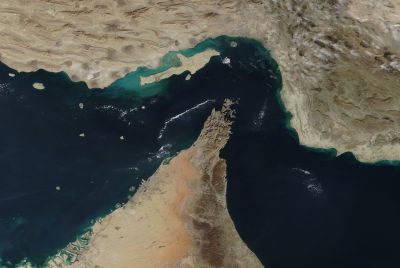
The phone call reflected efforts to de-escalate while maintaining a united front. Both leaders stressed the need for dialogue to prevent broader confrontations, amid fears of prolonged conflict disrupting energy supplies through the Strait of Hormuz.
Oil prices surged more than 15% on supply disruption worries, with Brent crude climbing sharply. Global markets opened lower, and airlines suspended Middle East flights amid airspace closures.
The discussion occurred against the backdrop of U.S. President Donald Trump's announcement of "major combat operations" against Iran, urging regime change. Israeli Prime Minister Benjamin Netanyahu framed the initial strikes as pre-emptive to eliminate threats.
Iran's Islamic Revolutionary Guard Corps claimed the retaliatory launches targeted U.S. assets and vowed continued operations. Tehran condemned the U.S.-Israeli aggression as violations of sovereignty.
International reactions included calls for restraint from European leaders and condemnation from Russia and China, who labeled the initial strikes "illegal." The U.N. Security Council scheduled an emergency meeting.
The UAE-Saudi exchange reinforced Gulf solidarity, signaling coordinated responses to threats while prioritizing diplomacy. As the situation evolves, the call may pave the way for further consultations among GCC states.
© Copyright 2026 IBTimes AU. All rights reserved.
- MOST POPULAR IN Politics & Policy