US-Israeli War on Iran Enters Third Week with Strikes on Hamadan, Calls for Strait of Hormuz Coalition
The U.S.-Israeli military campaign against Iran stretched into its third week Monday, March 16, 2026, with fresh airstrikes pounding the western city of Hamadan and Iranian forces launching retaliatory missiles toward Israel, as President Donald Trump pressed reluctant allies to help secure the vital Strait of Hormuz amid soaring oil prices and fears of broader escalation.

Footage from Hamadan showed massive plumes of smoke rising from what Iranian state media described as civilian areas hit in overnight U.S.-Israeli strikes. Al Jazeera reported heavy bombardment in the city, home to military and industrial sites, as the conflict—codenamed Operation Epic Fury by the U.S. and Operation Roaring Lion by Israel—showed no signs of abating. Casualty figures remained unverified independently, but Iranian officials accused the coalition of targeting non-military infrastructure, exacerbating humanitarian concerns in a war that has killed thousands since late February.
The conflict erupted February 28 when U.S. and Israeli forces launched coordinated surprise airstrikes across Iran, assassinating Supreme Leader Ali Khamenei and dozens of senior officials in the opening hours. The initial wave targeted nuclear facilities, ballistic missile sites, air defenses and leadership compounds, aiming to neutralize what Trump described as an "existential threat" from Iran's nuclear program and proxy network. U.S. officials claimed the strikes "functionally defeated" Iran's missile production capacity by destroying key defense industrial lines.
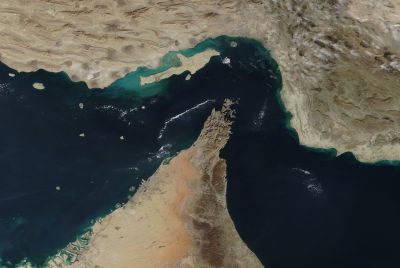
Iran retaliated with waves of ballistic missiles and drones targeting Israel, Gulf Arab states and U.S. assets, closing the Strait of Hormuz to commercial traffic and attacking tankers with improvised unmanned surface vessels. Traffic through the chokepoint—handling about 20% of global oil—has plummeted, driving Brent crude above $100 per barrel in recent sessions before volatile swings. Disruptions have worsened Iran's domestic energy crisis, causing frequent blackouts and fuel shortages.
Trump ramped up pressure Sunday, demanding a multinational coalition—including China, France, Japan, South Korea, the UK and others—to police the Strait and reopen shipping lanes. Speaking aboard Air Force One, he suggested backchannel talks with Tehran but expressed doubt Iran was ready for serious negotiations, calling for "unconditional surrender" in earlier remarks. The UK and other allies appeared reluctant to commit warships, with discussions focusing on mine-hunting drones instead.
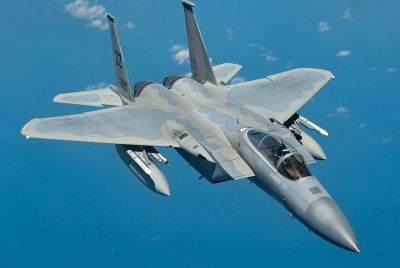
Defense Secretary Pete Hegseth stated U.S. and Israeli strikes have sunk or destroyed over 30 Iranian warships, including a major drone carrier, and degraded air defenses to maintain superiority over western Iran and Tehran. CENTCOM reported strikes on more than 3,000 targets since the campaign began. Israel expanded operations in Lebanon against Hezbollah, claiming dozens of attacks on northern Israeli positions and southern Lebanese towns, with plans to seize territory south of the Litani River to dismantle infrastructure.
Hezbollah claimed 43 attacks on Israeli forces between March 13 and 14, while Iran continued missile barrages roughly every 90 minutes in some periods, targeting civilian areas and defense hubs. Reports of hypersonic Fattah and Qadr missiles armed with cluster munitions hitting Tel Aviv circulated, though Israeli officials dismissed some claims as disinformation.
Global repercussions mounted. Protests erupted in London against the war and Gaza operations, following a UK ban on an annual pro-Palestinian march. At the Academy Awards in Los Angeles, stars called for an end to conflicts in Gaza and Iran. China, a major Iranian oil importer, faces vulnerability from Hormuz disruptions despite reserves and electric vehicle growth.
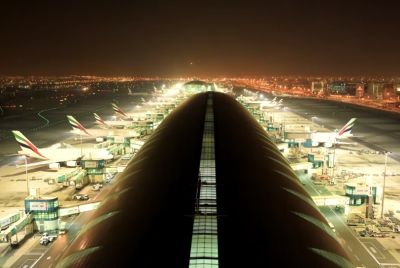
Civilian tolls rose, with accusations of deliberate targeting in densely populated zones. The UN raised environmental concerns over strikes near nuclear sites and oil facilities. Travelers remain stranded as airspace closures persist across the region.
Trump predicted the war could end in weeks, saying it would conclude "when I feel it in my bones," but offered vague timelines. Critics, including former officials, faulted the administration for inadequate public preparation.
As strikes continued Monday, focus shifted to Hormuz security and potential ground deployments—U.S. Marines moved to the region, officially not for boots-on-ground combat but eyeing Kharg Island, Iran's key oil export hub. Iran vowed to maintain leverage over the strait.
The war has reshaped Middle East dynamics, with Gulf states navigating attacks while supporting coalition efforts quietly. No end appears imminent, with both sides trading blows and diplomacy stalled amid mutual distrust.
Oil markets remain jittery, with experts warning of a "nightmare scenario" if the strait stays closed long-term. For now, the conflict grinds on, exacting heavy costs on civilians and global energy stability.
© Copyright 2026 IBTimes AU. All rights reserved.
- MOST POPULAR IN Politics & Policy