Key Takeaways from the US-Israel War with Iran as Conflict Enters Fourth Week on March 22, 2026
The war between the United States, Israel and Iran, now in its fourth week as of March 22, 2026, has escalated into one of the most significant Middle East conflicts in decades, marked by intense airstrikes, missile barrages and threats to global energy supplies. Launched on February 28 with joint US-Israeli Operation Epic Fury, the campaign initially targeted Iranian nuclear sites, missile infrastructure and leadership, resulting in the death of Supreme Leader Ali Khamenei and dozens of senior officials.

Here are five essential developments shaping the ongoing crisis, based on the latest reports from military officials, news agencies and international observers.
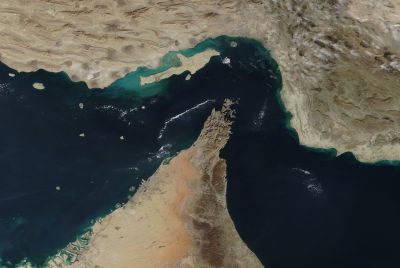
First, US President Donald Trump issued a stark 48-hour ultimatum to Iran on March 21, threatening to obliterate the country's power plants — starting with the largest — unless Tehran fully opens the Strait of Hormuz to all shipping without threats. The strategic waterway, through which about 20 percent of global oil passes, has faced partial disruptions since early March, driving up energy prices worldwide and contributing to domestic pressure in the US. Trump posted the demand on Truth Social, citing skyrocketing fuel costs and the need to restore free navigation. Iranian officials responded by stating the strait remains open to non-enemy vessels, while vowing retaliation against any strikes on civilian infrastructure. Analysts view this as a high-stakes gamble, with fears that escalation could trigger broader blackouts in Iran or attacks on Gulf energy assets.
Second, Iranian ballistic missiles struck southern Israel on March 21, injuring more than 100 people in cities including Dimona and Arad near the Dimona nuclear research center. Emergency services declared a mass casualty event as missiles evaded some defenses, damaging dozens of buildings and severely injuring civilians, including a 10-year-old boy. The strikes, part of Iran's retaliatory campaign dubbed Operation True Promise variants, targeted areas close to Israel's secretive nuclear facility in the Negev desert. Israel reported intercepting many projectiles but acknowledged impacts, with footage showing fires and structural damage. This marked one of the most direct hits on Israeli soil in the conflict, heightening civilian risks and prompting Israeli vows for further response.
Third, the US military has claimed significant degradation of Iran's capabilities in the Strait of Hormuz region. US Central Command reported striking over 8,000 military targets since the war began, including coastal missile sites, naval infrastructure on Kharg Island and ballistic missile storage facilities. Adm. Brad Cooper described the longest field artillery strike in Army history and asserted that Iran's ability to threaten shipping has been crippled through repeated precision attacks. Satellite imagery and OSINT analysis confirm multiple hits on underground bases in provinces like Fars and Yazd. Despite these claims, Iran launched ballistic missiles toward a joint US-UK base on Diego Garcia in the Indian Ocean on March 21 — the farthest reach demonstrated yet — though reports indicate the projectiles missed their target.
Fourth, mixed signals from Washington suggest the US may be nearing its stated objectives while preparing potential off-ramps. Trump stated on March 20 that the US is "getting very close" to meeting goals and is considering winding down operations, even as additional warships and marines deploy to the region. The administration temporarily lifted sanctions on Iranian oil already at sea to ease domestic energy pressures, a move seen as pragmatic amid high prices. However, Trump rejected ceasefire calls and emphasized continued pressure, with sources indicating daily planning includes escalation or de-escalation options. Critics note contradictions, as troop buildups continue despite talk of drawdown.
Fifth, the human and regional toll continues to mount, with civilian suffering reported across sides. Iranian strikes have hit energy infrastructure in Gulf states like Kuwait's refineries, while US-Israeli operations have caused significant casualties in Iran, including reported hits on Natanz nuclear facilities without radiation leaks confirmed. Displaced populations in Lebanon and elsewhere face dire conditions, and children on all sides bear heavy burdens amid ongoing violence. Proxy involvement remains limited — Yemen's Houthis have stayed largely sidelined, though discussions swirl about potential entry — but the conflict has already disrupted global trade, stranded travelers and spiked oil volatility.
As the war reaches day 23, no clear end appears imminent despite US assertions of progress in degrading Iran's missile, naval and air defenses. Mediation efforts by Oman and others have stalled, with neither side showing willingness for talks. The focus remains on the Strait of Hormuz, where any further closure could devastate economies worldwide. With Trump facing domestic scrutiny over energy costs and military commitments, the coming days could prove decisive in determining whether the conflict winds down or spirals further.
© Copyright 2026 IBTimes AU. All rights reserved.
- MOST POPULAR IN Politics & Policy