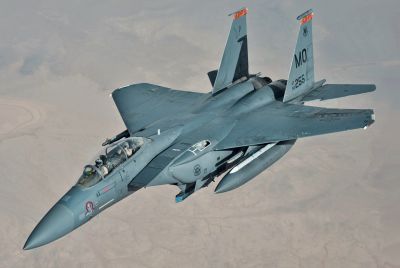
US Stealth Arsenal Shines in Iran War: 5 Most Lethal Weapons Dominating 2026 Conflict
WASHINGTON — As the U.S.-Iran conflict enters its seventh week in April 2026, America's advanced stealth weapons have proven decisive in degrading Iranian air defenses, missile sites and nuclear infrastructure while minimizing risk to U.S. personnel. From long-range cruise missiles to next-generation aircraft, these systems have allowed precise strikes deep inside contested airspace.
Here are the five most effective stealth weapons the United States has deployed in Operation Epic Fury, ranked by impact and technological edge:
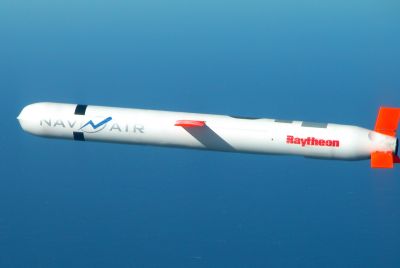
1. AGM-158B JASSM-ER Stealth Cruise Missile
The standout performer has been the Joint Air-to-Surface Standoff Missile-Extended Range. With a range exceeding 600 miles and advanced low-observable design, the JASSM-ER has evaded Iranian radars to strike heavily defended targets from standoff distances.
The U.S. has committed the bulk of its global stockpile — shifting thousands from Pacific and stateside reserves — leaving only about 425 missiles for other contingencies. Launched primarily from B-1B, B-2 and F-35 platforms, these fire-and-forget weapons have hit command bunkers, missile factories and radar sites with devastating accuracy. Their stealth shaping and terrain-hugging flight profile have made them nearly impossible for Iran's aging air defenses to intercept consistently.
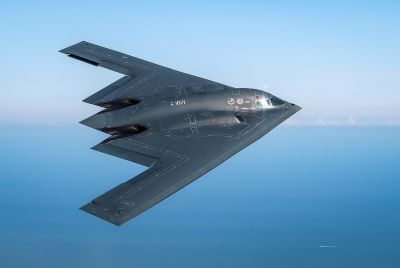
2. B-2 Spirit Stealth Bomber
The bat-winged B-2 remains the most potent stealth platform in the U.S. inventory. Operating from Whiteman Air Force Base in Missouri on marathon 30+ hour missions with aerial refueling, these billion-dollar bombers have delivered massive ordnance penetrators against deeply buried Iranian facilities.

Their extreme low-observability has allowed repeated penetration of Iranian airspace with near impunity. B-2 strikes have been credited with significant degradation of Iran's ballistic missile production capability and underground nuclear sites.
3. F-35 Lightning II Stealth Fighter
The fifth-generation F-35 has flown hundreds of sorties across Air Force, Navy and Marine variants. Its sensor fusion, electronic warfare capabilities and internal weapons carriage have made it ideal for suppressing enemy air defenses (SEAD) and precision strikes.
F-35s have provided critical intelligence, coordination for other assets and direct kinetic effects using Small Diameter Bombs and JDAMs. The aircraft's ability to operate in contested environments while sharing data with allies has been a game-changer in maintaining air superiority.
4. F-22 Raptor Stealth Air Superiority Fighter
Deployed to bases in Israel and Jordan, the F-22 has dominated the skies with unmatched supercruise, stealth and sensor capabilities. While fewer in number, these aircraft have provided top cover for strike packages and conducted high-value target engagements.
Their presence has deterred Iranian aircraft from challenging U.S. operations and enabled safe operations for less-stealthy platforms.
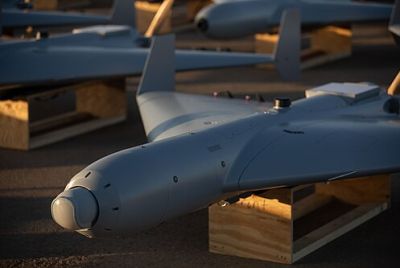
5. Low-Cost Uncrewed Combat Attack System (LUCAS) Stealthy Drones
A surprising addition has been the rapid deployment of LUCAS — low-cost attritable drones modeled after captured Iranian Shahed designs but enhanced with U.S. stealth features and guidance. Costing around $35,000 each, these one-way attack systems have saturated Iranian defenses and struck targets that would be too risky or expensive for manned platforms.
Their mass deployment marks a shift toward affordable, expendable stealth technology that complements high-end assets.
Strategic Impact and Lessons Learned
These stealth systems have enabled the U.S. to conduct a high-tempo campaign with relatively low losses compared to traditional conflicts. By combining standoff weapons like JASSM-ER with penetrating platforms such as the B-2 and F-35, American forces have dismantled key Iranian capabilities while limiting exposure to anti-access/area-denial threats.
The heavy use of JASSM-ER has raised concerns about inventory depletion, prompting urgent calls for increased production. The conflict has also accelerated integration of collaborative combat aircraft concepts and AI-assisted targeting that will shape future operations.
Military analysts note that Iran's layered air defenses, while initially formidable, have struggled against the combination of stealth, electronic warfare and swarming tactics. The performance of these weapons validates decades of investment in low-observable technology.
As the conflict continues, the U.S. maintains technological superiority, though sustained operations are straining certain munitions stockpiles. Future phases may see even greater reliance on emerging systems like the B-21 Raider and sixth-generation fighters currently in development.
The 2026 Iran war has become a live demonstration of America's stealth dominance — a capability gap that adversaries will struggle to close in the near term. These five weapons have not only shaped the battlefield but are rewriting doctrines for future high-intensity conflicts.
© Copyright 2026 IBTimes AU. All rights reserved.
- Recommended For You