Oregon Senators Urge CFTC to Block Wildfire Bets on Prediction Markets Over Arson Risks
Bipartisan call to restrict prediction markets from offering wildfire-related contracts
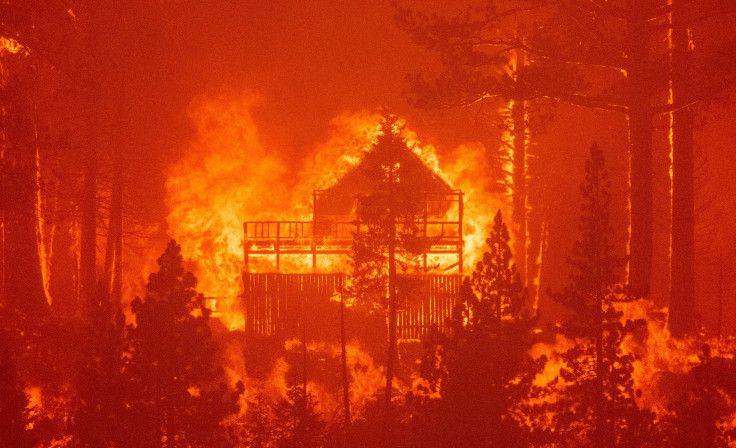
WASHINGTON — A bipartisan group of U.S. senators led by Oregon's Jeff Merkley has formally urged the Commodity Futures Trading Commission to restrict or prohibit prediction market platforms from offering contracts that allow betting on wildfires, citing risks to public safety and the potential for arson.
In a letter to CFTC Chair Michael Selig, the lawmakers warned that such markets could create perverse incentives during an already severe fire season. "Offering bets on destructive wildfires threatens to minimize communities' suffering all so the rich and powerful can profit," the senators wrote. "There's also the heightened risk—according to state and local fire officials—that individuals could be tempted to commit arson in order to make sure their bets are successful. By offering contracts on fires, prediction market sites run the risk of encouraging people to influence fires that have already started, creating additional concerns around public safety and insider trading."
The letter was signed by Merkley and fellow Oregon Sen. Ron Wyden, along with Sens. Alex Padilla and Adam Schiff of California, Jeanne Shaheen of New Hampshire, Jacky Rosen and Catherine Cortez Masto of Nevada, Martin Heinrich of New Mexico, and Amy Klobuchar of Minnesota. It requests answers from the commission by Aug. 14 on several points, including whether the agency is considering a ban on wildfire-related event contracts as part of ongoing rulemaking, how it plans to address both domestic and offshore platforms, whether contracts tracking a fire's duration, growth or destruction serve the public interest, and what enforcement guidance exists.
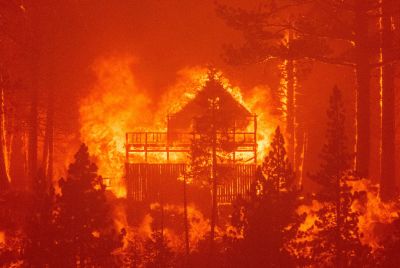
The senators pointed to reports that Polymarket, described as the world's largest prediction market platform, accepted more than $1.2 million in wagers related to the Palisades and Eaton fires that struck Southern California in January 2025. Those blazes killed 31 people and destroyed more than 16,000 structures. The letter also referenced a newer platform that offers simulated bets focused exclusively on California wildfires under the slogan "You can't predict fire, but you can trade on it."
Prediction markets allow users to buy and sell contracts based on the outcome of future events, ranging from elections and sports to natural disasters. Supporters argue the platforms can aggregate information and improve forecasting. Critics, including the senators and some fire officials, contend that attaching financial stakes to active or potential wildfires commodifies human suffering and could encourage interference with firefighting efforts or the deliberate starting of fires.
The timing of the letter coincides with another intense wildfire season across the western United States. Oregon has seen extensive burning, with more than a million acres affected in some tallies for the year, alongside major fires in neighboring states that have prompted evacuations and strained response resources. Lawmakers from fire-prone states have framed the issue as one of basic public safety rather than abstract market regulation.
The CFTC oversees designated contract markets and has authority over certain event contracts. Prediction markets have faced increasing regulatory scrutiny in recent years as their volume and range of topics have expanded. Some platforms operate offshore, complicating enforcement, while others seek registration under U.S. rules. The senators argued that without clear guardrails, domestic platforms could follow the example of offshore sites in listing wildfire contracts.
Fire service officials have previously expressed concern that financial incentives tied to fire outcomes could undermine trust in emergency response systems and create opportunities for insider activity by those with access to operational information. The letter emphasizes that contracts on the scale of destruction or the speed of containment raise particularly acute ethical and practical problems.
Merkley's office and the other signatories presented the request as a call for common-sense limits rather than a broad attack on all prediction markets. They asked the commission to evaluate wildfire contracts specifically against the public interest standard that guides CFTC decisions on event products. The Aug. 14 deadline was set to prompt a formal response as the current fire season continues.
Polymarket has previously faced regulatory action, including a fine for operating without proper licensing in the United States. A spokesperson for the platform has indicated in other contexts that it does not currently list wildfire markets and has not done so for some time, though the senators' letter focused on the earlier activity and the broader trend.
As climate-driven fire seasons grow longer and more destructive in the West, the intersection of financial speculation and disaster response has drawn heightened attention from lawmakers representing affected states. The letter frames unrestricted betting on wildfires as incompatible with the need to protect communities, support firefighters and maintain public confidence in emergency management.
The CFTC has not yet issued a public response to the specific questions posed. Any rulemaking or guidance on event contracts related to natural disasters would likely involve input from stakeholders across the prediction market industry, state regulators and emergency response agencies. For now, the senators' intervention places the issue of wildfire betting firmly on the regulatory agenda at a moment when active fires continue to threaten lives and property across multiple states.
The debate reflects larger tensions over the rapid growth of prediction markets and the types of events considered appropriate for financial wagering. While some contracts on economic indicators or elections have become more established, those tied to loss of life and property destruction remain far more contentious. The Oregon-led effort seeks to draw a clear line around wildfire-related products before they become more widespread on both domestic and international platforms.
© Copyright 2026 IBTimes AU. All rights reserved.
- Recommended For You