(VIDEO) B-2 Spirit Stealth Bomber: 10 Must-Know Facts on America's $2 Billion 'Ghost' Striking Iran in 2026
WHITEMAN AIR FORCE BASE, Mo. — The Northrop Grumman B-2 Spirit, the world's most advanced and expensive stealth bomber, continues to demonstrate unmatched penetrating strike capability as the U.S. Air Force deploys the aircraft in Operation Epic Fury against hardened targets in Iran.
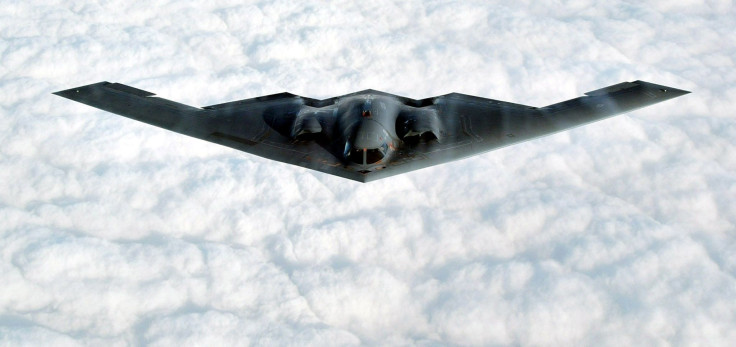
With recent images showing B-2s departing Missouri for long-range missions — some featuring puzzling white patches along wing leading edges — the 35-year-old platform remains a cornerstone of American strategic power projection even as the B-21 Raider enters development. Here are 10 essential things to know about the B-2 Spirit as of April 2026.
1. The Most Expensive Aircraft Ever Built
Each B-2 Spirit carries a staggering program cost of approximately $2.13 billion when factoring in development, testing and production, making it the priciest combat aircraft in history. The total program cost through the early 2000s reached about $44.75 billion for just 21 aircraft produced between 1989 and 2000. Flyaway unit costs were lower — around $737 million per plane — but the combination of advanced stealth materials, flying-wing design and sophisticated systems drove expenses sky-high. Operating costs run roughly $135,000 to $150,000 per flight hour, largely due to specialized radar-absorbent coatings that require meticulous maintenance.
2. Only 20 Operational Aircraft Remain
The Air Force operates a tiny fleet of about 20 B-2s, all based at Whiteman Air Force Base in Missouri under Air Force Global Strike Command. One aircraft was retired following damage in a 2022 landing accident, reducing the inventory from 21. Plans call for eventual retirement once sufficient B-21 Raiders enter service around 2032, though ongoing modernization aims to keep the Spirits viable into the 2030s. The small fleet size underscores the aircraft's strategic rarity and high value.
3. Revolutionary Flying-Wing Design
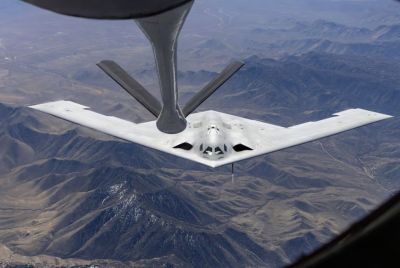
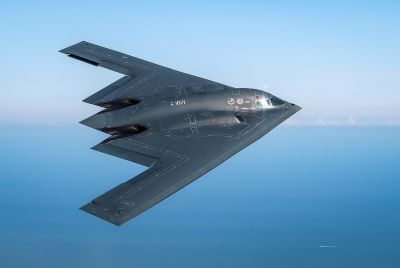
Inspired by Jack Northrop's earlier flying-wing concepts from the 1940s, the B-2 has no traditional fuselage or vertical tail. Its 172-foot wingspan, 69-foot length and 17-foot height create a smooth, blended shape that minimizes radar returns. The design reduces infrared, acoustic, electromagnetic, visual and radar signatures, allowing the bomber to penetrate sophisticated air defenses undetected. This low-observable technology gives the B-2 unique freedom to operate at high altitudes with greater range and sensor coverage.
4. Massive Payload with Precision Strike
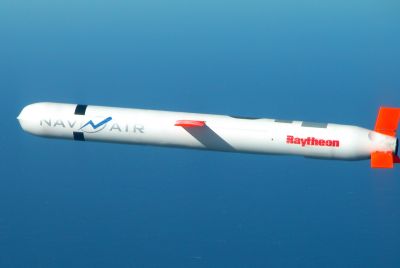
Despite its stealth profile, the B-2 can carry more than 40,000 pounds of ordnance in two internal bays. It delivers conventional weapons such as up to 80 500-pound JDAM GPS-guided bombs or the 30,000-pound Massive Ordnance Penetrator (GBU-57) "bunker buster" designed for deeply buried targets. It also carries nuclear gravity bombs including the B61 and B83. The aircraft is the only stealth platform capable of delivering large standoff cruise missiles while remaining low-observable.
5. Intercontinental Range Without Refueling
Powered by four General Electric F118-GE-100 engines producing 17,300 pounds of thrust each, the B-2 achieves high subsonic speeds and a service ceiling of 50,000 feet. Its unrefueled range exceeds 6,000 nautical miles (about 6,900 statute miles), extending to more than 10,000 nautical miles with a single aerial refueling. This enables nonstop missions from Missouri to virtually any target worldwide, as demonstrated in operations over Kosovo, Afghanistan, Iraq, Libya and now Iran.
6. Tiny Crew of Just Two Pilots
Only two crew members — a pilot and mission commander — fly the B-2. The spacious cockpit includes a small rest area with a camp bed, toilet and provisions for hot meals, allowing one pilot to rest while the other monitors systems during marathon flights. Advanced automation and fly-by-wire controls make the aircraft manageable for such a small crew despite its complexity.
7. Record-Breaking Long Missions
The B-2 holds the record for the longest air combat mission in history. In 2001, during Operation Enduring Freedom, B-2s flew 44-hour round-trip sorties from Whiteman to Afghanistan, with one aircraft logging more than 70 hours including a brief engine-running crew swap. In 1999 over Kosovo, a single B-2 accounted for destroying 33 percent of Serbian targets in the campaign's first weeks while flying nonstop from Missouri.
8. Combat Role in Operation Epic Fury Against Iran
In March 2026, B-2 Spirits conducted long-range strikes as part of Operation Epic Fury, targeting hardened underground missile facilities, nuclear-related infrastructure and command nodes in Iran. Departing from Whiteman, the bombers delivered precision bunker-busting munitions that no other platform could reliably employ against advanced air defenses. Recent photos released by U.S. Central Command show B-2s with unidentified white rectangular patches sealed along wing leading edges — possibly new radar-absorbent coatings, sensor enhancements or protective coverings whose exact purpose remains classified.
9. Continuous Modernization Keeps It Relevant
Northrop Grumman and the Air Force are actively upgrading the B-2 fleet with improved communications, survivability features, avionics, sensors and stealth coatings drawn partly from B-21 technology. Programs focus on better battlefield information sharing, in-flight target updates and reduced maintenance demands for radar-absorbent materials. These efforts aim to maintain the B-2's edge against evolving threats until the Raider fully replaces it. Software updates alone can number in the hundreds per upgrade cycle.
10. Hollywood Star and Cultural Icon
Beyond its military role, the B-2 has appeared in numerous films including "Armageddon" and "Captain Marvel," cementing its image as a futuristic symbol of American airpower. Its dramatic public unveiling in 1988 and distinctive bat-wing silhouette continue to captivate the public. The aircraft's secrecy — much of its low-observability technology remains classified — only adds to its mystique.
The B-2 Spirit represents a technological leap born in the Cold War that has repeatedly proven its worth in post-Cold War conflicts. Its ability to strike anywhere on Earth with minimal warning and extreme precision makes it a vital deterrent and first-strike option. As operations against Iran highlight, the "ghost bomber" still has no peer for penetrating the world's most defended airspace.
With modernization continuing and the B-21 on the horizon, the B-2 fleet — though small and expensive — delivers outsized strategic impact. For U.S. adversaries, the mere possibility of undetected B-2 overflights remains a powerful psychological and operational constraint.
© Copyright 2026 IBTimes AU. All rights reserved.
- Recommended For You