US Navy Escorts More Tankers Through Strait of Hormuz as Tensions Ease Slightly
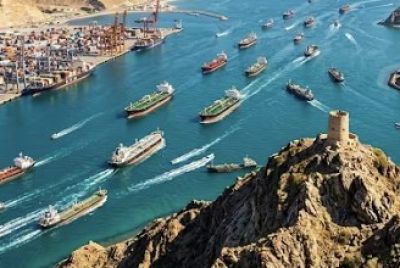
DUBAI, United Arab Emirates — U.S. naval forces successfully escorted three additional commercial tankers through the Strait of Hormuz on Wednesday, marking the most significant transit under Project Freedom since the operation began last week, as diplomatic efforts showed tentative signs of progress amid a fragile ceasefire between Washington and Tehran.

U.S. Central Command confirmed the safe passage of the vessels, carrying more than 6 million barrels of crude, under the protection of American destroyers and air assets. No incidents were reported during the transit, offering a brief moment of relief for global energy markets still jittery after Monday's dramatic events. Brent crude prices eased slightly to around $108 per barrel after spiking above $118 earlier in the week.
Admiral Brad Cooper, commander of U.S. Central Command, described the operation as "a clear demonstration of America's commitment to freedom of navigation in international waterways." Iranian state media acknowledged the passage but claimed its forces maintained a "defensive posture" without direct confrontation.
The successful escort comes as mediators from Oman and Qatar intensified back-channel talks to prevent further escalation. A senior Iranian official told Reuters that Tehran was open to "practical arrangements" for commercial shipping provided U.S. forces did not establish a permanent presence in the strait.
Project Freedom's Progress and Risks
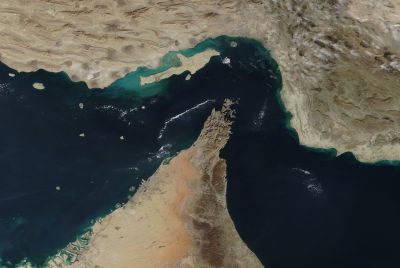
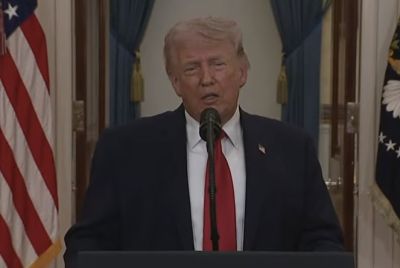
Project Freedom, announced by President Donald Trump last week, aims to restore safe passage for commercial vessels through the narrow chokepoint that handles nearly 20% of global oil shipments. Since its launch, U.S. forces have escorted more than a dozen tankers, sinking at least seven Iranian fast boats and neutralizing multiple drone and missile threats.
However, the operation remains high-risk. Iranian Revolutionary Guard commanders have warned that continued U.S. military activity in what they consider their territorial waters could trigger renewed attacks. On Monday, a U.S.-flagged tanker briefly disappeared from tracking systems before reestablishing contact, sending oil prices soaring.
Maritime security firms report that insurance premiums for vessels transiting the strait have risen sharply, with some underwriters refusing coverage entirely. Thousands of seafarers remain stranded on immobilized ships, facing dwindling supplies and growing anxiety.
Oil Market Reaction and Global Impact
Energy markets reacted positively to Wednesday's successful transits. Brent crude futures fell more than 3% in early trading before stabilizing. Analysts warned that any renewed disruption could quickly push prices back toward $120 per barrel, rippling through global gasoline costs and complicating economic recoveries.
Asian importers, heavily reliant on Gulf crude, have been scrambling for alternative supplies from the United States, Latin America and West Africa. European refineries have also faced challenges, with some reducing throughput due to uncertainty. Qatar declared force majeure on additional LNG cargoes, while petrochemical plants in the UAE and Saudi Arabia adjusted operations.
Diplomatic Efforts Behind the Scenes
Behind the military posturing, quiet diplomacy continues. Oman has hosted informal talks between U.S. and Iranian representatives, while Pakistan has offered to mediate a broader ceasefire. A second round of discussions in Islamabad is reportedly being planned for later this month.
The United Nations has called for de-escalation and safe passage for civilian vessels. Maritime unions and the International Maritime Organization have expressed deep concern for seafarer safety, urging both sides to prioritize humanitarian considerations.
Historical Flashpoint
The Strait of Hormuz has long been one of the world's most dangerous maritime chokepoints. Iran has threatened closure during past crises, though never fully sustained it until the recent conflict. Modern threats including drones, precision missiles and naval mines have raised the stakes compared to previous confrontations like the 1980s Tanker War.
U.S. officials have warned shipping companies against paying Iranian tolls, threatening secondary sanctions. This has further complicated commercial decisions for operators caught between competing demands.
What Lies Ahead
As operations continue, markets will watch closely for signs of sustained safe passage or renewed escalation. Any successful large-scale transits under U.S. escort could ease pressure on oil prices, while further incidents risk panic buying and broader economic fallout.
For the thousands of seafarers still stranded, every day brings heightened anxiety. Humanitarian corridors and coordinated international efforts may be needed if military actions fail to restore normal traffic quickly.
The situation in the Strait of Hormuz remains fluid, with global energy security, regional stability and the durability of the ceasefire hanging in the balance. Diplomats, military commanders and energy executives are racing against time to prevent a full-blown crisis from engulfing the region and beyond.
Wednesday's successful escort offers a glimmer of hope that practical arrangements can be found even amid deep political distrust. However, one miscalculation could rapidly undo recent progress and send oil prices soaring once again.
As the world watches developments in this narrow but vital stretch of water, the coming days will prove critical in determining whether Project Freedom succeeds in restoring stability or triggers further dangerous escalation in an already volatile region.
© Copyright 2026 IBTimes AU. All rights reserved.
- Recommended For You