Strait of Hormuz War Risk Insurance Costs Soar to Millions per Transit Amid Ongoing Middle East Tensions
War risk insurance premiums for vessels transiting the Strait of Hormuz have skyrocketed in 2026, with rates reaching as high as 5% or more of a ship's hull value for a single passage, dramatically increasing costs for oil tankers and other commercial shipping through the world's most critical energy chokepoint.

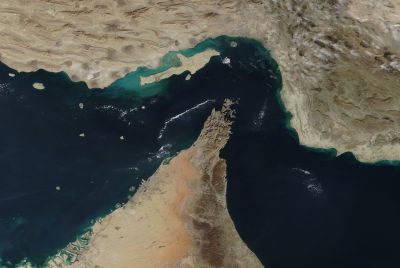
The narrow waterway between Iran and Oman handles about one-fifth of global oil and significant volumes of liquefied natural gas. Heightened geopolitical risks following escalations involving Iran, the United States and Israel in late February and March 2026 triggered sharp repricing by marine insurers, with some underwriters briefly suspending or limiting coverage for the high-risk zone.
Before the latest tensions, typical additional war risk premiums (AWRP) for a one-week policy or single transit through the Strait of Hormuz and Persian Gulf ranged from 0.15% to 0.25% of the vessel's insured hull value. In calmer periods, rates could dip even lower to fractions of a percent. For a Very Large Crude Carrier (VLCC) valued at $100 million, that translated to roughly $150,000 to $250,000 in war risk cover.
By early to mid-March 2026, quotes surged dramatically. Multiple industry sources reported rates climbing to 1%–5% of hull value, with some extreme quotes reaching 5% to 10% depending on vessel specifics, flag state, ownership and exact routing. At 5%, insuring a $100 million oil tanker would cost about $5 million for a single transit. For larger or higher-value vessels commonly valued between $200 million and $300 million, premiums could exceed $7.5 million to $15 million or more in the most elevated scenarios.
The Lloyd's Market Association's Joint War Committee expanded its list of high-risk areas to encompass the entire Persian Gulf, triggering mandatory additional premiums and prompting protection and indemnity (P&I) clubs to issue notices adjusting or terminating standard war risk extensions. This institutional response amplified the commercial impact, as ports, charterers and lenders typically refuse uninsured or underinsured vessels.
Insurance brokers and market participants noted that while cover remained technically available in most cases, the prohibitive costs combined with heightened physical risks led to a sharp drop in transits. Tanker traffic through the strait collapsed significantly in March, with many shipowners rerouting around the Cape of Good Hope or delaying voyages, adding weeks to journey times and further inflating fuel and operational expenses.
By late March and into April 2026, some moderation appeared. Additional war risk premiums eased from peaks around 2.5% to nearer 1% or even 0.8% for certain transits after no-claims bonuses or negotiated terms. However, even these reduced levels remain several times higher than pre-crisis norms. Reports from early April indicated ongoing volatility, with rates fluctuating based on daily security assessments and diplomatic developments.
The insurance crunch has ripple effects across global energy markets. Higher shipping costs contribute to elevated freight rates for tankers, which in turn push up delivered oil prices. Some analysts estimated that the added insurance burden alone could add several dollars per barrel to certain crude grades originating from the Gulf. With roughly 329 vessels estimated to be operating in the broader Persian Gulf area requiring substantial coverage, the total exposed value runs into hundreds of billions of dollars, stretching private market capacity.
Governments have begun stepping in as insurers of last resort in limited cases. The U.S. government explored backstop mechanisms under existing terrorism risk frameworks to support critical energy shipments, while other nations monitored the situation closely. This intervention highlights the limits of purely private insurance when geopolitical risks escalate rapidly.
Vessel owners face multiple layers of cost. Beyond hull war risk, liability coverage through P&I clubs has also tightened, with some clubs canceling war extensions on short notice and requiring separate placements at higher rates. Cargo insurance, crew risk allowances and potential kidnap and ransom policies add further complexity and expense for operators brave enough to transit.
Industry experts emphasize that rates are highly subjective and negotiated case-by-case. Factors influencing premiums include the vessel's age, type (tankers generally face higher scrutiny), registry, beneficial ownership, cargo nature and whether the ship plans to enter the strait itself or remain in the broader Gulf. East or west of the chokepoint can also affect pricing.
Despite the surge, major brokers such as Marsh and McGill and Partners reported that underwriters continue to provide quotes, signaling confidence that risks, while elevated, remain insurable at a price. Safety concerns, rather than outright unavailability of insurance, appear to be the primary driver keeping many vessels away, according to statements from the Lloyd's Market Association.
The situation echoes past disruptions in the region, including incidents in 2019 and 2020 when attacks on tankers led to temporary spikes in premiums. However, the 2026 escalation has produced faster and steeper increases due to the scale of hostilities and broader involvement of state actors.
Longer-term implications could reshape maritime trade patterns. Shippers may accelerate adoption of alternative routes, invest in enhanced vessel security measures or push for greater diplomatic efforts to de-escalate tensions. For oil-importing nations heavily reliant on Gulf supplies, such as those in Asia and Europe, sustained high insurance costs could contribute to inflationary pressures and energy security concerns.
As of mid-April 2026, the insurance market shows signs of cautious stabilization following reports of ceasefire discussions and reduced immediate kinetic activity. Shipowners have placed large volumes of requests for cover as they eye potential resumption of normal transits, leading to some rate corrections. Yet premiums remain significantly elevated compared with 2025 levels, and any renewed flare-up could quickly reverse recent moderation.
Marine insurers and reinsurers face their own challenges. Catastrophic loss potential in the strait — where a single major incident could involve massive claims — has prompted tighter capacity and higher reinsurance costs, which ultimately pass through to shipowners.
For the average consumer, the distant drama in the Strait of Hormuz translates into higher fuel prices at the pump and increased costs for goods transported by sea. Energy analysts warn that prolonged disruption or elevated risk pricing could add volatility to global oil benchmarks.
The crisis underscores the critical yet often overlooked role of marine insurance in global trade. War risk coverage, once a niche product, has become a decisive factor in whether vital energy arteries remain open. As geopolitical tensions persist, the insurance industry continues to balance commercial viability with the need to support essential maritime flows.
Ship operators navigating these waters today weigh not only the direct dollar cost — potentially millions per voyage — but also crew safety, reputational risk and charter contract obligations. Many have opted for caution, accepting longer routes and higher overall expenses rather than gambling on the strait.
Looking ahead, sustained diplomatic progress could ease premiums further, while any setback might send rates climbing once more. The Joint War Committee and major underwriters monitor the region daily, ready to adjust classifications and pricing in response to developments.
In the meantime, the Strait of Hormuz stands as a stark reminder of how quickly commercial realities can shift when geopolitics intersect with global supply chains. For shipping companies, energy traders and insurers alike, managing war risk in this vital waterway has become one of the most expensive and complex challenges in modern maritime commerce.
© Copyright 2026 IBTimes AU. All rights reserved.
- Recommended For You