Iran Imposes Up to $2 Million Toll on Ships Passing Through Strait of Hormuz, Potentially Generating Billions
Iran has begun charging some commercial vessels up to $2 million per voyage to pass through the strategically vital Strait of Hormuz, effectively establishing an informal toll on one of the world's most critical energy chokepoints as the US-Iran war disrupts global oil flows and shipping routes.
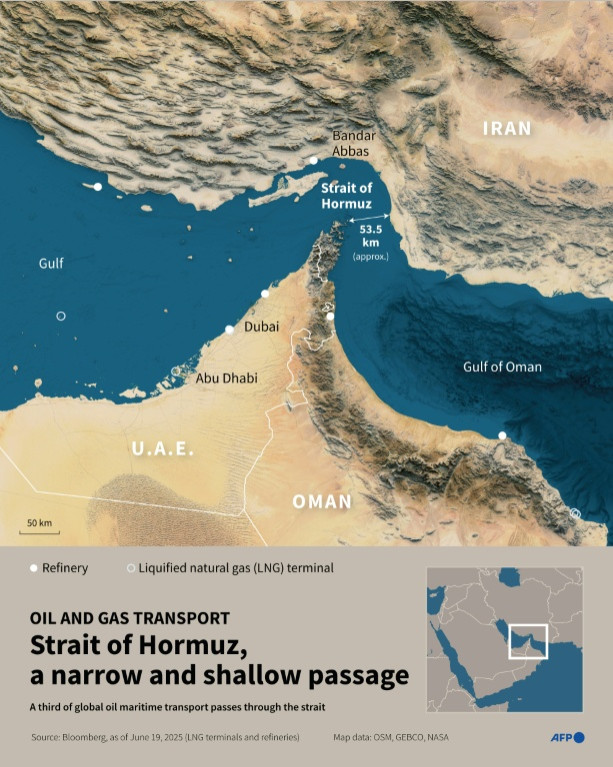
Iranian lawmakers are also drafting legislation to formalize transit fees, framing them as compensation for security and oversight costs in the waterway through which roughly one-fifth of global oil supplies normally pass. While the fees are currently applied on an ad hoc basis rather than systematically, reports indicate that at least some vessels have paid the toll to secure safe passage amid heightened tensions and threats of attacks.
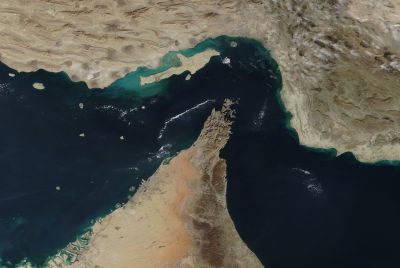
The development comes as commercial traffic through the strait has plummeted, with only a handful of ships crossing on some days compared with the usual 150-160 vessels. Shipping companies and insurers face soaring war-risk premiums, rerouting options and uncertainty, while Iran appears to be leveraging its control over the narrow passage — bordered by its territory on one side and Oman and the United Arab Emirates on the other — to generate revenue and assert influence.
According to multiple reports citing people familiar with the matter, payments as high as $2 million per voyage have been sought from select tankers and other commercial ships. Iranian media and lawmakers have described the fees as a way to recover war-related costs and fund security measures in the region. One lawmaker suggested the mechanism could eventually produce significant income, with projections in some Korean media outlets estimating potential toll revenue in the tens of billions of dollars if formalized and applied more broadly.
The Strait of Hormuz remains the world's most important maritime energy artery. Tankers carrying crude oil, liquefied natural gas and other products from major Gulf producers routinely transit the narrow waterway. Disruptions here have already contributed to sharp spikes in global oil prices, with Brent crude trading well above $100 per barrel in recent sessions.
Iran's move has drawn sharp criticism from shipping industry groups and Western governments, who view it as an attempt to monetize a natural international waterway and further complicate already strained global energy markets. The United States and its allies have warned that any efforts to restrict or tax free passage could escalate tensions and provoke military responses to keep the strait open.
Shipping sources told Bloomberg and Lloyd's List that some vessels have diverted closer to Iranian territorial waters or made payments to ensure safe transit, dubbing the arrangement a de facto "Tehran Toll Booth." At least two tankers are believed to have paid fees in recent days, though the exact mechanism — including the currency used — remains unclear. The practice does not yet appear to be applied uniformly to all traffic.
Iranian officials have defended the idea of transit fees by comparing them to tolls collected at other strategic waterways, such as the Suez Canal. A draft bill in Iran's parliament would reportedly formalize the practice, citing sovereignty, security oversight and the need to offset damages from the ongoing conflict with the United States and Israel.
The timing is particularly sensitive. Since the outbreak of hostilities in late February 2026, attacks on infrastructure, threats to shipping and insurance spikes have already reduced traffic dramatically. Some analysts estimate that only a fraction of normal volumes are currently moving through the strait, with many operators choosing longer, costlier routes around Africa or waiting for de-escalation.
For oil-importing nations, the combination of physical disruptions and new toll demands adds further pressure to already elevated energy costs. Countries such as Japan, South Korea, India and China — major buyers of Gulf crude — face higher landed prices and supply uncertainty. European economies, still recovering from previous energy shocks, could see renewed inflationary pressures if alternative supplies remain expensive or limited.
The shipping industry has expressed alarm. The International Chamber of Shipping and other bodies have called for freedom of navigation to be upheld without unilateral fees or threats. War-risk insurance premiums for voyages involving the Gulf have skyrocketed, adding millions more to the cost of each transit even before any Iranian toll.
Some observers see the toll as a negotiating tactic or revenue-raising measure amid Iran's own economic strains from sanctions, infrastructure damage and lost oil export revenue. Others view it as part of a broader strategy to assert greater control over the strait and deter further military actions by demonstrating the economic leverage Tehran holds over global energy flows.
As of late March 2026, traffic remains sparse, and it is unclear how many vessels have actually paid the reported $2 million fee. If formalized and applied more widely, the toll could generate substantial income for Iran — potentially billions of dollars annually depending on volume and compliance rates — though enforcement would likely face significant international pushback and practical challenges.
The United States has repeatedly stated that it will not tolerate any restriction on freedom of navigation in the strait and has maintained a naval presence in the region to protect commercial shipping. Diplomatic efforts to de-escalate the conflict continue, but progress remains elusive.
For the global economy, the situation underscores the enduring vulnerability of energy supply chains to geopolitical shocks in critical chokepoints. Even limited tolls or threats can ripple through fuel prices, inflation calculations and growth forecasts worldwide.
As the conflict enters its fourth week, shipping companies, energy traders and governments are closely monitoring developments in the Strait of Hormuz. Any expansion or formalization of Iran's toll system could further complicate efforts to stabilize oil markets and restore normal commercial traffic.
Iran's parliament is expected to continue debating the proposed legislation in coming weeks, while the international community watches to see whether the current ad hoc payments evolve into a broader policy with far-reaching implications for global trade and energy security.
© Copyright 2026 IBTimes AU. All rights reserved.
- MOST POPULAR IN Politics & Policy