Iran War Accelerates Australia's Push Toward Sovereign Green Hydrogen as Fuel Security Fears Mount
The ongoing US-Iran war has exposed Australia's precarious fuel security, with stockpiles dipping to roughly 30-36 days for key products and petrol prices surging toward A$2.20 per litre, but the crisis is also fast-tracking the nation's shift to sovereign green hydrogen production as policymakers and industry leaders seize the moment to reduce dependence on imported fossil fuels.
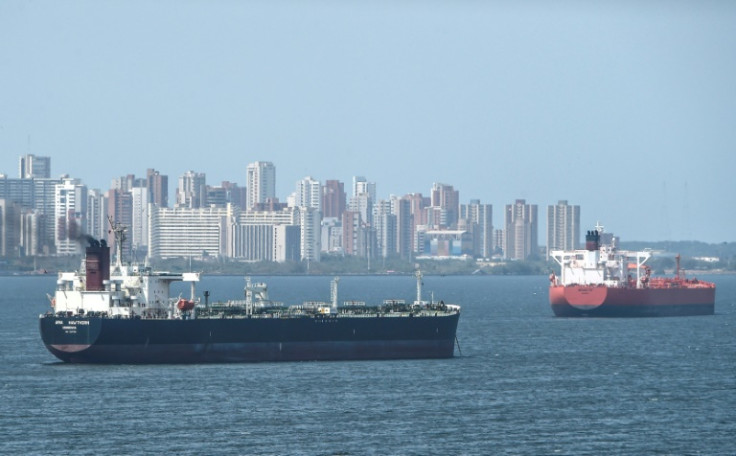
Energy Minister Chris Bowen and senior officials have described the situation as a "national fuel crisis," prompting emergency releases from domestic reserves, temporary relaxation of fuel quality standards and calls for greater self-reliance. With the Strait of Hormuz partially disrupted and global oil prices spiking above US$100 per barrel, the conflict has underscored vulnerabilities in Australia's import-heavy refined fuel supply chain despite the country's status as a major exporter of crude, LNG and coal.
International Energy Agency Executive Director Fatih Birol, speaking in Canberra on March 23, warned that no country is immune if the conflict drags on, labeling it a "major, major threat" to the global economy. Australia, holding far below the IEA's recommended 90-day net import coverage, has joined coordinated stockpile releases but is now confronting the limits of relying on distant supply chains.
In response, voices across government, industry and think tanks are invoking the adage "never waste a crisis." The war is providing fresh political and economic impetus to accelerate green hydrogen initiatives that were already central to Australia's long-term energy strategy but had faced headwinds from high costs, project delays and investor caution. Green hydrogen — produced via electrolysis using renewable electricity — offers a pathway to domestic energy security, export revenue and decarbonization of hard-to-abate sectors such as heavy industry, shipping, aviation and chemicals.
Australia's updated National Hydrogen Strategy, bolstered by solar and wind resources, positions the country to become a global supplier. Federal funding commitments exceed A$8 billion, including the A$6.7 billion Hydrogen Production Tax Incentive over 10 years and additional support through the Hydrogen Headstart program. Recent announcements include A$814 million for the 1.5 GW Murchison Green Hydrogen Project in Western Australia and A$283 million for Orica's green hydrogen initiative aimed at decarbonizing explosives and ammonia production.
Large-scale projects are gaining momentum in the Pilbara region and elsewhere. The Australian Renewable Energy Hub (AREH), revived after BP's withdrawal, secured A$21 million in federal funding in February 2026 to advance a 26 GW renewable complex that could produce up to 1.6 million tonnes of green hydrogen annually for green iron and ammonia exports. The Western Green Energy Hub envisions 50 GW or more of renewables across 15,000 square kilometers to generate millions of tonnes of green hydrogen and ammonia.
Proponents argue the Iran crisis highlights the strategic value of sovereign green hydrogen. Unlike oil and gas, which rely on vulnerable sea lanes, green hydrogen can be produced domestically using abundant sunshine and wind, creating a more resilient energy system. It also aligns with Australia's goal of becoming a "renewable energy superpower" while addressing cost-of-living pressures from fuel price spikes that are feeding inflation.
Critics of the pace of transition note that green hydrogen remains expensive to produce at scale — currently A$5-10 per kilogram — and many projects have stalled or been canceled due to uncertain offtake agreements and integration challenges. Some analysts caution that hydrogen cannot immediately replace diesel in agriculture, mining or long-haul transport, where electrification or biofuels may play larger near-term roles. Others point out that synthetic fuels derived from green hydrogen could eventually help, but scaling requires massive renewable electricity build-out and infrastructure.
Still, the crisis is shifting the debate. National Cabinet discussions on fuel security have included explicit references to accelerating the green transition. Treasury modeling suggests prolonged high oil prices could shave GDP growth and push inflation higher, making domestic clean energy alternatives more attractive. Calls for a windfall tax on fossil fuel exporters to fund hydrogen and renewables have intensified, with some estimates suggesting a 25% levy on gas exports could raise up to A$17 billion annually.
Industry leaders are responding. Fortescue is advancing green iron projects using solar-powered hydrogen, while other developers eye Pilbara hubs for green ammonia exports to Asia and Europe. The government's Future Made in Australia plan channels additional billions into critical minerals and hydrogen-related innovation, including skills training centers.
The IEA and other observers note that countries with strong renewable resources like Australia could emerge as winners from the current shock if they invest wisely. Birol has encouraged Australia to leverage its solar and wind potential to build resilient transport energy systems less vulnerable to geopolitical disruptions.
Challenges remain. Hydrogen production demands vast amounts of cheap renewable power, water resources and export infrastructure such as dedicated ports and pipelines. Community acceptance, grid connections and workforce development are also hurdles. Some projects face delays from environmental approvals or financing gaps.
Yet the Iran war has injected urgency. With diesel shortages threatening regional Australia and panic buying reported in some areas, the case for diversifying away from imported fuels has strengthened. Electrification of light vehicles, combined with green hydrogen for heavier applications, is viewed as a dual strategy to enhance security.
As the conflict enters its fourth week with no swift resolution in sight, Australian officials are balancing short-term measures — such as boosting local refining where possible and securing alternative import sources — with long-term planning. The May budget is expected to reflect these priorities, potentially including further incentives for hydrogen and critical minerals.
For a nation rich in sunshine, wind and critical resources, the crisis presents an opportunity to turn vulnerability into strength. Green hydrogen could not only power domestic industry and transport but also position Australia as a reliable supplier to allies seeking to reduce their own dependence on volatile fossil fuel markets.
Whether the current shock translates into accelerated action or merely temporary rhetoric will depend on political will and investment follow-through. For now, the phrase "never waste a crisis" is echoing in boardrooms and cabinet rooms across the country as Australia charts a path toward greater energy sovereignty through green hydrogen.
The coming months will test whether the Iran war becomes the catalyst that propels Australia's hydrogen ambitions from aspiration to reality, securing both economic resilience and a cleaner energy future.
© Copyright 2026 IBTimes AU. All rights reserved.
- MOST POPULAR IN Business