Australia Fuel Crisis 2026: 10 Key Facts on Diesel Shortages, Reserves and Rising Prices
CANBERRA, Australia — Australia is grappling with a serious fuel supply crunch in April 2026, driven by geopolitical turmoil in the Middle East that has disrupted global oil flows and exposed the nation's heavy reliance on imports. The crisis, centered on diesel shortages affecting farmers and regional communities, has triggered empty service stations, surging prices and warnings of broader economic pain including higher grocery bills.

Energy Minister Chris Bowen has sought to reassure the public, noting that 53 ships carrying 3.7 billion litres of fuel are en route and expected this month. Yet industry stakeholders and farmers express ongoing concern, with hundreds of stations still reporting outages amid high demand and panic buying.
Here are 10 critical facts about the unfolding situation as of April 5, 2026:
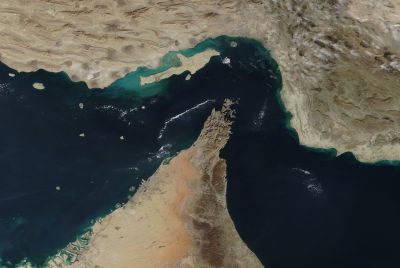
- Geopolitical Trigger: The crisis stems primarily from conflict involving Iran, including the closure or severe disruption of the Strait of Hormuz, a chokepoint for much of the world's oil supply. While Australia imports little crude directly from the Middle East, up to 70-80% of its refined petrol and diesel comes via Asian refineries dependent on those routes. This has led to cancelled or delayed shipments and inventory drawdowns in supplier nations.
- Current Stock Levels: National emergency fuel reserves stand at approximately 39 days of petrol, 29 days of diesel and 30 days of jet fuel. These figures have remained relatively stable in recent days but sit well below the International Energy Agency's recommended 90 days of import cover. Australia relies on a minimum stockholding obligation imposed on industry rather than a dedicated government strategic reserve.
- Service Station Outages: As many as 410 stations nationwide ran out of diesel at peak recent reports, with numbers improving slightly to around 312 in the latest updates. New South Wales has been hardest hit, with 150-182 stations without diesel and dozens fully out of stock. Victoria, Queensland and other states have also seen significant shortages, though restocking is occurring gradually in some areas.
- Diesel Squeeze Hits Farmers Hardest: Regional and remote Australia faces acute diesel shortages, with 400-500 stations affected at times. Farmers report running low on fuel needed for planting winter crops, harvesting and livestock transport. Cattle and grain producers warn that without swift resolution, food production could suffer, potentially driving grocery prices up by as much as 20% by Anzac Day.
- Price Spikes: Diesel prices are set to soar to new highs in coming days, while petrol has shown some stabilization in major cities. National averages have jumped sharply since late February, with diesel rising more than 50% in some periods. The government halved fuel excise for three months — a cut of about 26.3 cents per litre — as part of efforts to ease the burden on households and businesses.
- Government Response: Prime Minister Anthony Albanese has delivered a rare national address urging calm and outlining a multi-pronged strategy, including fuel taskforce meetings, release of reserves, excise relief and diplomatic efforts to secure supplies. The government has released portions of mandated stocks and secured replacement shipments, insisting the situation is manageable in the short term.
- High Demand and Panic Buying: Petrol stations have reported demand surges of up to 25% in recent weeks on top of earlier spikes. This panic buying has exacerbated local shortages even as overall reserves hold steady. Officials continue to advise against hoarding, noting that normal consumption patterns would stretch current stocks further.
- Economic Ripple Effects: Economists warn of cost-push inflation, with fuel costs feeding into transport, agriculture and manufacturing. Inflation could climb toward 6% if disruptions persist, raising recession fears. Grocery retailers and suppliers are already signaling price increases, with 90% reporting rising fuel-related expenses that may soon pass to consumers.
- Vulnerability Exposed: Australia imports about 90% of its liquid fuel needs after closing most domestic refineries years ago. The nation has among the lowest fuel reserves among IEA members, a situation critics have highlighted for over a decade. Long-term solutions discussed include boosting domestic production or storage, though immediate fixes focus on imports and conservation.
- Potential for Rationing: Experts suggest rationing could become a last resort if diesel stocks drop toward 10 days under certain modeling scenarios. While not imminent, contingency planning includes possible restrictions after Easter if the Strait of Hormuz remains disrupted. Some Australians have even resorted to homemade biodiesel from cooking oil, though authorities warn of safety and legality risks.
The crisis has highlighted Australia's thin fuel buffers at a time when global energy markets remain volatile. Bowen has emphasized that incoming shipments will help, but analysts caution the situation may worsen before improving, with a potential supply "cliff" looming later in April if Asian refinery inventories stay depleted.
Farmers in particular are sounding alarms, describing the timing as among the worst possible — coinciding with critical sowing seasons for cereals and other crops. Reduced planting or transport delays could ripple through the food supply chain, affecting everything from bread to meat prices in supermarkets.
In urban areas, the impact has been felt mainly through higher pump prices and occasional queues, though most city stations have maintained supply. Regional drivers, truckers and emergency services face greater challenges, with some stations imposing informal limits.
The Albanese government has pursued a "triple-intervention" approach combining fiscal relief, stock releases and international engagement. Meetings with key allies aim to diversify supply sources, while domestic measures encourage conservation without mandatory restrictions for now.
Public sentiment reflects a mix of anxiety and frustration. Consumer confidence has dipped amid cost-of-living pressures already strained by prior inflation. Some motorists report switching to public transport or carpooling where possible, heeding calls to "do their bit."
Longer-term questions linger about fuel security policy. Australia's shift away from domestic refining left it exposed to international shocks, a vulnerability compounded by limited storage infrastructure. Lobby groups from the resources sector have used the moment to advocate for increased local exploration and production.
As ships approach Australian ports, relief may arrive in coming weeks, but experts like those at MST Financial warn that mid-April remains a crunch point. Even if the Middle East conflict eases quickly, rebuilding supply chains takes time, potentially sustaining elevated prices and inflation for six months or more.
For everyday Australians, the advice remains consistent: avoid panic buying, plan trips efficiently and monitor local station updates via apps or fuel price websites. Truck drivers and farmers continue prioritizing essential movements, sometimes rationing fuel for critical operations.
The situation also carries aviation implications, though jet fuel stocks at 30 days have held steady so far. Airports and airlines monitor developments closely given the sector's dependence on reliable supplies.
In summary, while catastrophic nationwide shortages are not expected immediately thanks to incoming cargoes and government actions, the diesel-focused crisis in rural Australia underscores deep structural risks. The coming weeks will test resilience across the supply chain, from farms to family dinner tables.
Economists and security analysts urge preparation for prolonged effects, including possible further price volatility and targeted conservation measures. As Easter Sunday passes and Anzac Day approaches, many hope diplomatic and logistical efforts will prevent the worst-case scenarios from materializing.
Australia's fuel crisis of 2026 serves as a stark reminder of global interdependence in energy markets. With reserves improving marginally and shipments inbound, officials project stabilization, yet farmers and regional communities continue calling for faster, more decisive intervention to safeguard food production and livelihoods.
The federal opposition and industry voices have criticized past policy settings that left stocks low, pushing for a comprehensive review of fuel security once the immediate pressures ease. For now, the focus remains on navigating the current squeeze without broader disruption to daily life and the economy.
© Copyright 2026 IBTimes AU. All rights reserved.
- Recommended For You