Australia's Diesel Dependency on Strait of Hormuz Hits 50% Amid 2026 Oil Crisis
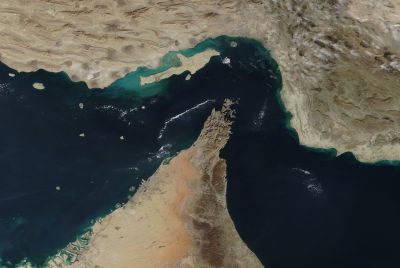
CANBERRA, Australia — Australia depends heavily on the Strait of Hormuz for roughly half of its diesel imports, even as the country imports virtually no crude oil directly from the Middle East, leaving the nation exposed to disruptions in the critical chokepoint that carries about one-fifth of global seaborne oil and significant LNG volumes.
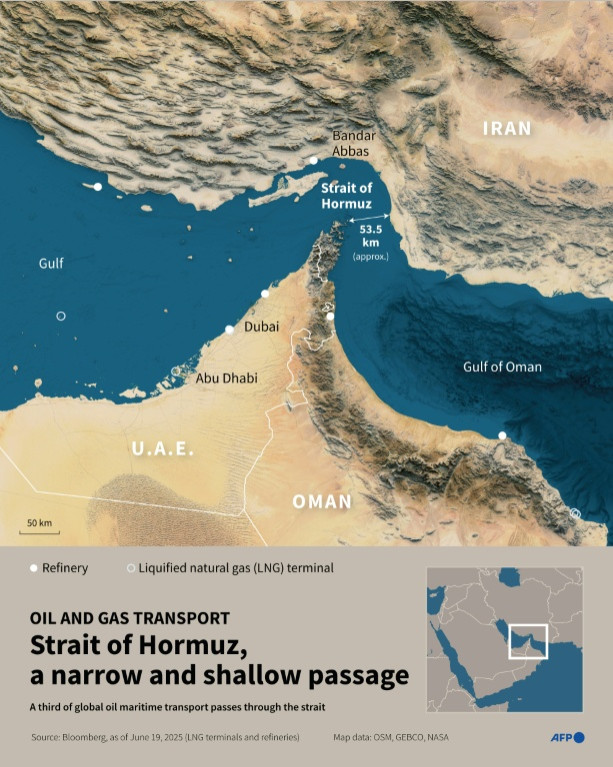
The narrow waterway between Iran and Oman has become a flashpoint in 2026 following military escalation that effectively closed much of the strait to international tanker traffic. With only two domestic refineries remaining operational and more than 80% of its refined fuels — petrol, diesel and jet fuel — sourced from overseas, Australia finds itself uniquely vulnerable among Western economies despite its status as a major LNG exporter.
Data from early 2026 shows that approximately 50% of Australia's diesel imports trace back to crude oil originating from Persian Gulf producers and refined in Asian hubs such as Singapore, South Korea and Malaysia. These refiners source 60-70% of their crude from the Middle East, the majority of which historically transited the Strait of Hormuz. When tanker traffic through the strait plummeted in late February and March 2026, shipments to Australia were cancelled or deferred, forcing the government to scramble for alternative supplies from the United States, Europe and other routes.
Energy Minister Chris Bowen confirmed in late March that several fuel cargoes had been lost due to the disruption, though the government has since secured contracted supplies extending into May through diversified sourcing, including rare gasoil shipments from the Amsterdam-Rotterdam-Antwerp region via ship-to-ship transfers. Still, analysts warn that Australia's strategic fuel reserves — roughly 25-36 days' worth of diesel and petrol under normal conditions — leave little margin for prolonged interruptions.
Australia does not import significant volumes of crude oil directly through the Strait of Hormuz. Its crude imports come primarily from Southeast Asian sources such as Malaysia (around 46%), the United States (about 20%), Vietnam and Brunei. However, the refined product supply chain creates the indirect exposure. Asian refineries process Middle Eastern crude and export finished fuels to Australia, meaning any sustained blockage ripples quickly into higher pump prices, potential shortages and economic pressure.
The vulnerability has been exacerbated by domestic policy choices. Australia has closed several refineries in recent years, citing high operating costs and carbon pricing under the Safeguard Mechanism. With only two refineries left — one each in Queensland and Western Australia — the country relies on imports for the vast bulk of transport fuels. This structural shift turned a theoretical risk into an immediate concern when Hormuz traffic collapsed.
The 2026 crisis has already driven global oil prices above $100 per barrel at times, with Brent crude spiking on fears of prolonged disruption. In Australia, the flow-on effects include rising fuel costs that feed into inflation, higher transport expenses for goods and pressure on the Australian dollar. The government has released portions of mandated fuel stocks to ease short-term pain, temporarily reducing minimum stockholding obligations for importers.
Compounding the issue is Australia's role as the world's third-largest LNG exporter. While the country benefits from higher global prices for its LNG shipments, the disruption has highlighted the asymmetry in its energy trade: it exports vast quantities of gas but imports nearly all its refined fuels. East coast gas prices have also felt indirect pressure through links to export terminals in Queensland.
Government and industry responses have focused on diversification and diplomacy. Australia joined more than 20 nations in a joint statement urging the reopening of safe passage through the strait. Officials have emphasized that no Australian-flagged vessels would be sent into the high-risk area. Meanwhile, emergency planning includes accelerating talks for additional cargoes from the Americas and Europe, though longer shipping distances add costs and delays.
Experts from organizations like the International Energy Agency note that the strait typically handles around 20 million barrels per day of oil, representing roughly 20-25% of global seaborne petroleum trade. About 80% of that oil is destined for Asian markets, including key suppliers to Australia. LNG flows through the strait, primarily from Qatar, add another layer of global exposure, though Australia's own LNG production has positioned it as a potential alternative supplier to affected nations.
The crisis has renewed calls for greater fuel security measures. Advocates argue for rebuilding domestic refining capacity, expanding strategic reserves beyond the current 25-30 day buffer, and accelerating the transition to electric vehicles and renewables to reduce reliance on imported fossil fuels. Modelling suggests that the existing EV fleet has already added the equivalent of about 1-2 days of fuel supply by displacing petrol and diesel demand.
For ordinary Australians, the impact appears in higher prices at the bowser and concerns over potential rationing if the disruption drags into May or beyond. Logistics companies and farmers, heavy users of diesel, have expressed particular worry about supply chain costs and availability during peak agricultural seasons.
The situation also underscores broader geopolitical realities. Australia maintains defence ties in the region, including personnel at bases in the United Arab Emirates, and has participated in maritime security operations in the past. While the Albanese government has stopped short of military commitments to reopen the strait, the economic stakes have forced a sharper focus on energy resilience.
As of early April 2026, some tanker traffic has resumed on a limited basis, and Australia reports improved supply outlooks with around 50 vessels reportedly en route or contracted. However, analysts caution that full normalization could take months, with lingering effects on pricing and availability. The episode serves as a wake-up call for a nation that exports energy resources yet remains heavily dependent on imported refined products.
In the longer term, the Hormuz disruption may accelerate investment in alternative fuel sources, domestic production incentives and infrastructure upgrades. It has also spotlighted the need for stronger international cooperation on maritime security in critical chokepoints.
Australia's exposure — around 50% for diesel and significant indirect reliance for other fuels — illustrates how global energy interdependence can transmit distant conflicts into local economic pain. Policymakers, industry leaders and consumers alike are now grappling with the realization that fuel security extends far beyond national borders to narrow waterways half a world away.
The coming weeks will test the effectiveness of diversification efforts and the resilience of Australia's energy system. While immediate shortages appear averted through proactive contracting, the underlying vulnerabilities remain, prompting fresh debate on how best to safeguard the nation's fuel future in an uncertain world.
© Copyright 2026 IBTimes AU. All rights reserved.
- Recommended For You