10 Stocks Warren Buffett Has Been Aggressively Selling in 2026 as Berkshire Builds Record Cash
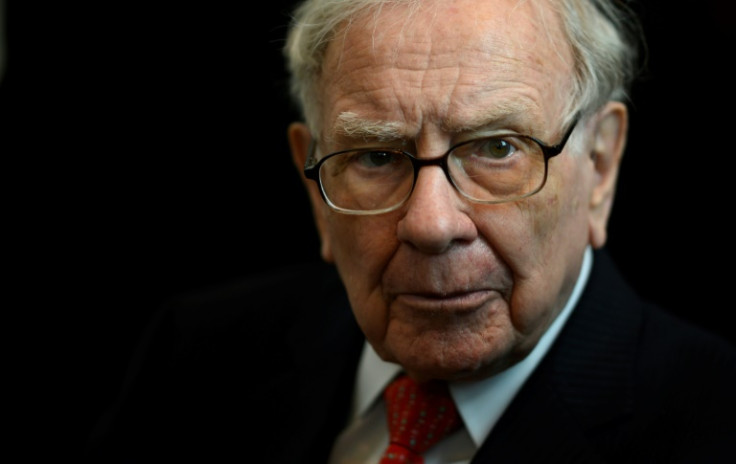
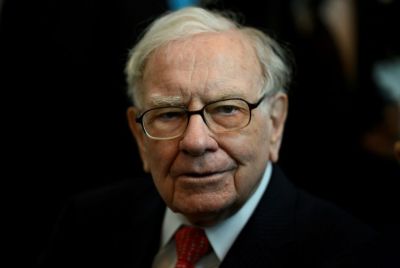
Warren Buffett, the legendary investor who stepped down as Berkshire Hathaway CEO at the end of 2025, continued his pattern of net stock selling into early 2026, trimming major holdings to amass a record cash pile now exceeding $373 billion.
Berkshire Hathaway remained a net seller of equities for the 13th straight quarter through the end of 2025, with sales outpacing purchases by billions of dollars. The strategy, which Buffett oversaw in his final quarters, has persisted under successor Greg Abel, reflecting caution amid high valuations, geopolitical tensions including the U.S.-Iran conflict and elevated oil price volatility.
While Berkshire added modestly to positions like Chevron and made small new bets such as The New York Times, it significantly reduced exposure to several longtime favorites. Here are 10 stocks where Buffett and Berkshire have been actively selling or trimming in recent quarters leading into and through 2026, based on 13F filings, cash flow statements and analyst commentary.
1. Apple (AAPL)
Berkshire's largest holding by far has seen the most dramatic reduction. Buffett has sold more than 75% of Berkshire's Apple stake since mid-2023, with continued trims in 2025 and into 2026. The position, once valued well over $170 billion, has been scaled back substantially even as Apple remains a top holding. Buffett later acknowledged he sold "too soon" in some comments but cited tax considerations and valuation concerns at peak prices. Apple still represents a significant portion of the portfolio but far less than its former dominance.
2. Bank of America (BAC)
One of Buffett's signature financial bets has been halved in recent quarters. Berkshire slashed its Bank of America stake by roughly 50% between mid-2024 and the end of 2025, selling hundreds of millions of shares. Additional trims continued into 2026. The sales came as the bank traded at a premium to book value and amid expectations of pressure on net interest margins from rate cuts. Despite the reduction, Bank of America remains a notable holding, though no longer as central.
3. Amazon (AMZN)
Berkshire sharply cut its Amazon position, reducing shares from around 10 million to roughly 2.3 million in the fourth quarter of 2025 alone. The e-commerce and cloud computing giant had been a relatively smaller but symbolic holding. The aggressive trim reflected profit-taking after strong performance and a broader move to lighten technology exposure outside of core names.
4. Kraft Heinz (KHC)
Analysts widely expect further sales or even a full exit from Kraft Heinz in 2026. Berkshire has held the consumer packaged goods company for years, but its stake has faced speculation of being pared as Abel looks to streamline the portfolio. Morningstar analysts have highlighted Kraft Heinz as a likely candidate for divestiture early in the post-Buffett era, potentially generating several billion dollars.
5. DaVita (DVA)
The kidney dialysis provider, a holding associated with portfolio managers Todd Combs or Ted Weschler, saw reductions in recent quarters. Trims continued as part of broader portfolio housekeeping, with the position adjusted amid valuation discipline.
6. Citigroup (C)
Berkshire fully exited its remaining Citigroup stake in early 2025, selling approximately $1 billion worth. The complete sale removed one of the smaller bank holdings as Buffett and his team streamlined financial sector exposure.
7. Nu Holdings (NU)
The digital bank serving Latin America was another complete exit, with Berkshire selling its roughly $400 million position in the first quarter of 2025. The move aligned with a general reduction in newer or higher-risk financial technology plays.
8. Constellation Brands (STZ) and Other Smaller Trims
While not always among the largest positions, selective reductions hit names like Constellation Brands in certain quarters. Broader trimming activity affected several mid-sized holdings, reflecting a disciplined approach to rebalancing after years of strong market gains.
9. Amazon Follow-On Reductions and Tech Exposure
Beyond the major Q4 cut, ongoing lightening of technology and consumer discretionary names has been evident. Even as some AI-related enthusiasm grew in the broader market, Berkshire maintained caution on overvalued growth stocks.
10. Miscellaneous Smaller Positions
Berkshire trimmed or exited various other holdings, including select media, retail or industrial names accumulated over time. The overall pattern shows a preference for concentrating the portfolio in core long-term bets while raising cash for opportunistic moves or share buybacks when Berkshire stock itself appears undervalued.
Why the Selling? Building a War Chest Amid Uncertainty
Buffett's strategy in his final years as CEO focused on raising cash rather than chasing expensive valuations. The $373 billion cash hoard at the end of 2025 — one of the largest in corporate history — provides enormous flexibility for acquisitions, buybacks or weathering economic storms, including potential recession risks or fallout from global conflicts.
Tax efficiency played a role in some sales, particularly Apple, where long-term capital gains could be managed strategically. Valuation discipline remains core to Berkshire's philosophy: when few stocks meet Buffett's criteria for margin of safety, selling winners to hold cash becomes the default.
Under Greg Abel, the approach appears consistent so far, with selective additions like increased Chevron exposure (a bet on energy amid oil market swings) and a new modest stake in The New York Times. Berkshire also resumed share buybacks in early 2026 after an 18-month pause, signaling confidence in its own stock at certain levels.
Market Reaction and Investor Takeaways
The heavy selling has drawn mixed reactions. Some investors view the cash pile as a defensive masterstroke ahead of potential volatility from geopolitical tensions or inflation. Others worry it signals caution bordering on pessimism in a market driven by technology and artificial intelligence.
Berkshire's equity portfolio, valued around $270-317 billion depending on recent market moves, remains heavily concentrated. Even after sales, a handful of names — including remaining Apple, American Express, Coca-Cola and energy holdings — dominate.
For individual investors, Buffett's actions offer lessons in patience and discipline rather than direct signals to mimic every trim. Many of the sold stocks have continued performing well, underscoring that even the Oracle of Omaha times exits imperfectly.
As 2026 unfolds, with ongoing oil price swings from the Middle East situation and broader economic uncertainty, Berkshire's massive cash position positions it uniquely to act when opportunities arise. Buffett himself has hinted he might still offer occasional input, but day-to-day decisions now rest with Abel and the team.
The selling spree that defined Buffett's later years has left Berkshire with dry powder and a more streamlined portfolio — a legacy of caution from one of history's most successful investors.
© Copyright 2026 IBTimes AU. All rights reserved.
- Recommended For You