Boeing vs Airbus Stocks 2026: Recovery Paths Diverge Amid Safety and Demand
Contrasting fortunes for Boeing and Airbus as they navigate 2026's aviation market challenges.
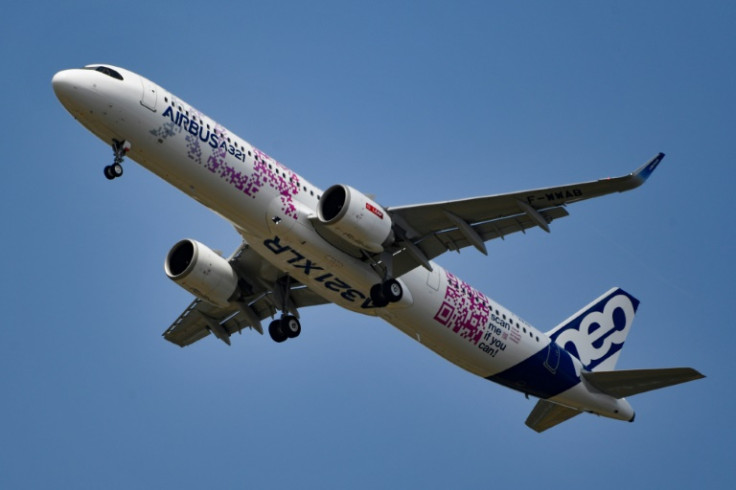
NEW YORK — Boeing Co. and Airbus SE showed contrasting performances through mid-2026 as investors weighed Boeing's ongoing recovery challenges against Airbus's production ramp and strong order backlog.
As of May 22, 2026, Boeing shares closed at $198.45. Airbus shares closed at €142.80 on the Euronext Paris exchange, equivalent to approximately $162.50.
Recent Financial Results
Boeing reported first-quarter 2026 revenue of $17.9 billion. The company posted a GAAP net loss of $1.2 billion, or $1.85 per share, primarily due to continued costs related to the 737 MAX program and supply chain issues. Commercial Airplanes revenue was $6.8 billion. Boeing delivered 83 commercial airplanes in the quarter.
Airbus reported first-quarter 2026 revenue of €13.8 billion, up 11% year-over-year. The company delivered 142 commercial aircraft in the quarter. Airbus reported adjusted EBIT of €1.1 billion and maintained its full-year guidance for 800 aircraft deliveries in 2026.
Analyst Consensus
Analysts assigned Boeing a Hold consensus rating with an average 12-month price target around $210. Airbus carried a Moderate Buy consensus with an average target of €165 to €175.
Boeing Developments
Boeing continues to address quality control issues following multiple incidents involving its 737 MAX aircraft. The company reached a settlement with the U.S. Department of Justice in early 2026 related to prior compliance matters. Boeing has focused on stabilizing production rates while working through supply chain constraints.
The company secured new orders at major air shows and continued development of the 777X program. Boeing's defense business remained stable with contracts from the U.S. government and international partners.
Airbus Developments
Airbus has maintained a strong production ramp, particularly for the A320neo family. The company reported a robust backlog exceeding 8,000 aircraft. Airbus expanded its presence in the wide-body market with the A350 program and continued exploring sustainable aviation fuel and hydrogen technologies.
Airbus faced its own supply chain pressures but reported better delivery consistency than Boeing in recent quarters. The company secured major orders from airlines in Asia and the Middle East.
Market Context
Both companies operate in a commercial aviation sector recovering from earlier pandemic effects while facing new challenges including supply chain disruptions, labor issues and rising demand for more fuel-efficient aircraft. Global passenger traffic has returned to pre-pandemic levels, driving airline orders for new planes.
Boeing's market share in narrow-body aircraft has faced pressure, while Airbus has gained ground in certain segments. Both manufacturers are investing heavily in next-generation technologies, including sustainable aviation and digital cabin solutions.
Valuation and Performance
Boeing shares have shown volatility in 2026 due to safety concerns and production delays. Airbus has demonstrated more stable performance with consistent delivery progress. Both stocks have benefited from broader industry optimism but remain sensitive to quarterly delivery numbers and regulatory developments.
Outlook Factors
Boeing aims to increase 737 production rates gradually while resolving quality issues. The company expects improved cash flow in the second half of 2026. Airbus reaffirmed its target of delivering 800 commercial aircraft for the full year.
Both companies face long-term opportunities from fleet replacement cycles and growing global air travel demand. Analysts will monitor second-quarter results, scheduled for July 2026 for both manufacturers, for updates on production rates, margins and order activity.
Broader Industry Trends
The global aircraft manufacturing duopoly continues to dominate the commercial aviation market. Emerging competition from companies like COMAC in China remains limited in Western markets. Both Boeing and Airbus are expanding aftermarket services and defense portfolios to diversify revenue streams.
© Copyright 2026 IBTimes AU. All rights reserved.
- Recommended For You