Tesla vs BYD: Tesla Snatches Back Global EV Lead from BYD as 2026 Sales War Heats Up
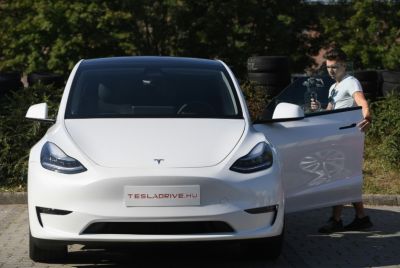
AUSTIN, Texas — Tesla Inc. has reclaimed the title of the world's top seller of pure battery-electric vehicles in the first quarter of 2026, delivering 358,023 units and edging out Chinese rival BYD Co., which posted 310,389 battery-electric sales amid a sharp domestic slowdown.
The modest 6.5% year-over-year increase for Tesla marked a rebound after ceding the crown to BYD throughout 2025, when the Chinese automaker delivered more than 2.26 million battery-electric vehicles compared to Tesla's 1.64 million. Yet the quarterly swing underscores a fiercely competitive global EV landscape where volume, technology, policy and geography will determine the ultimate winner.
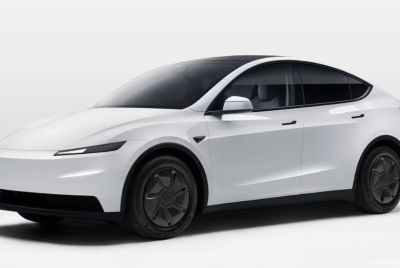
Tesla's Q1 performance, announced April 2, came despite producing 408,386 vehicles and building inventory, missing Wall Street expectations slightly and sending shares lower initially. Strong output from its Shanghai Gigafactory, which accounted for nearly 60% of deliveries, helped fuel the gain, particularly as China-made Model 3 and Model Y sales climbed in the world's largest EV market.
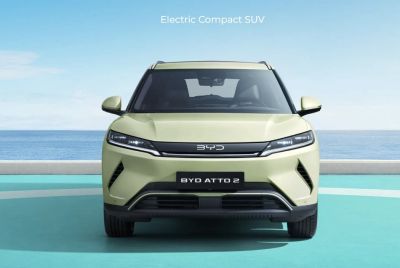
BYD, meanwhile, saw its pure EV sales plunge 25.5% in the quarter. The Shenzhen-based company sold nearly 696,000 new energy vehicles overall when including plug-in hybrids — still nearly double Tesla's volume — but faced headwinds from policy changes in China, including subsidy adjustments and new taxes that dampened demand. BYD's total vehicle sales dropped about 30% year-over-year in March, marking the seventh consecutive monthly decline.
The duel between Elon Musk's Tesla and BYD founder Wang Chuanfu's empire represents more than a sales race. It pits Silicon Valley software innovation and autonomy ambitions against China's manufacturing scale, vertical integration and aggressive pricing. Both companies dominate global EV conversations, but their paths to victory diverge sharply.
Tesla bets on premium branding, over-the-air updates, Full Self-Driving technology and future robotaxi revenue. Production of the Cybercab, Tesla's purpose-built autonomous vehicle, has begun at Giga Texas, with volume ramp targeted soon. Musk has reiterated plans for unsupervised FSD rollout later in 2026, potentially unlocking massive network effects through a ride-hailing fleet. Energy storage deployments also surged, providing a buffer beyond vehicles.
BYD counters with breadth. It offers dozens of affordable models across sedans, SUVs and even commercial vehicles, leveraging its own blade batteries for cost and safety advantages. The company aims for 1.5 million overseas sales in 2026, expanding factories in Europe, Brazil and elsewhere to dodge tariffs. In Latin America, BYD has secured major orders and local production deals, capturing significant market share in Brazil, Argentina and Mexico despite rising protectionism.
Europe remains a key battleground. BYD is applying to join the European auto lobby while building capacity in Hungary and eyeing other sites to mitigate EU tariffs on Chinese EVs. In markets like Australia, BYD outsold Tesla in Q1. Yet Tesla maintains dominance in the United States, where BYD has no direct presence due to tariffs and market dynamics.
Analysts note the 2025-2026 shift reflects more than corporate prowess. China's policy tweaks hurt BYD's domestic pure EV numbers while benefiting Tesla's export-heavy Shanghai output. Broader EV demand growth continues globally, but slowing in some segments as consumers weigh hybrids for range anxiety.
"Tesla's lead in Q1 is notable but seasonal and policy-influenced," said one industry observer. "BYD's total new energy volume and export momentum position it strongly for the long haul."
Financially, contrasts abound. Tesla's margins benefit from software and energy, though vehicle gross profits face pressure. BYD reported record 2025 revenue exceeding Tesla's but saw profits dip amid intense Chinese competition and price wars. Both invest heavily in R&D — Tesla in AI and robotics, BYD in battery tech and supply chain control.
The "global war" extends to supply chains, talent and regulation. Tariffs in the U.S., EU and Mexico complicate BYD's exports, pushing localization. Tesla navigates union issues, regulatory hurdles for autonomy and competition from legacy automakers accelerating their EV shifts.
Longer term, many predict coexistence rather than outright victory. Tesla could lead in high-margin autonomy and premium segments, while BYD captures mass-market volume, especially in emerging economies. Global EV sales continue rising, with China, Europe and the U.S. setting ambitious targets, but hybrids gaining favor as a bridge.
Musk has acknowledged BYD's competitiveness in recent years, moving past earlier dismissal. Wang has urged Chinese brands to "demolish old legends" on the global stage.
As 2026 unfolds, Tesla eyes Cybercab production scale and FSD breakthroughs. BYD pushes overseas factories and new models with advanced fast-charging. Sunday's slight risk for more storms? No — this battle faces economic headwinds, interest rates, consumer sentiment and geopolitical tensions.
Neither side shows signs of slowing. Tesla's Q1 rebound injects optimism for investors betting on tech differentiation. BYD's scale and cost discipline reassure those favoring accessible electrification.
The winner may not be declared for years. In a world racing toward net-zero transport, both accelerate progress — Tesla through aspiration and software, BYD through execution and accessibility. For consumers, the real victory is choice and innovation at every price point.
Industry watchers will scrutinize Q2 figures closely. Tesla typically sees seasonal strength later in the year. BYD expects export growth to offset domestic softness. Additional rounds of tariffs or incentives could tilt the field again.
For now, Tesla wears the quarterly crown, but BYD retains the 2025 title and manufacturing muscle. The global EV war rages on, with no clear surrender in sight.
© Copyright 2026 IBTimes AU. All rights reserved.
- Recommended For You