10 Reasons to Buy Tesla Stock in 2026: Robotaxi Launch, Optimus Robots Fuel TSLA Bull Case
AUSTIN, Texas — Tesla Inc. stock has traded near $355 to $372 in late March 2026, reflecting a volatile start to the year amid softer electric-vehicle deliveries and broader market caution. Yet Wall Street bulls, including Wedbush analyst Dan Ives, are calling 2026 a "defining year" for the company, with some price targets reaching $600.
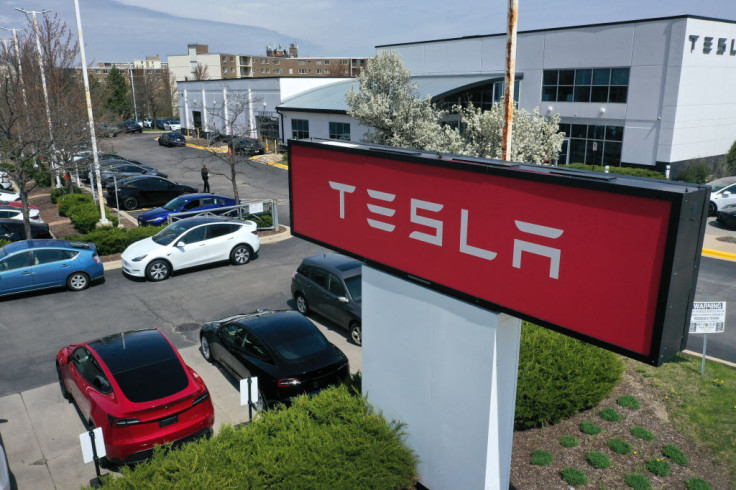
While consensus analyst ratings remain a "Hold" and the average 12-month price target sits around $397 to $406, a growing cohort of investors points to Tesla's accelerating shift from cars to AI-driven autonomy, robotics and energy storage. Here are 10 reasons analysts and company updates cite for buying TSLA shares this year.
1. Cybercab robotaxi production begins in April. Tesla has already rolled the first steering-wheel-free, pedal-free Cybercab off the Giga Texas line and is targeting volume production this month. Early output will be modest, but the dedicated $30,000 robotaxi is central to unlocking a high-margin autonomy business. Unsupervised robotaxi operations in Austin began removing safety monitors in January, providing real-world data that bulls say will accelerate regulatory wins elsewhere.
2. Optimus humanoid robot ramps toward mass production. Gen 3 Optimus, designed for factory and external sales, is slated for initial production this summer, with high-volume output expected in 2027. Tesla is building a dedicated line at Giga Texas and aims for eventual capacity of 1 million units annually. Early internal deployment at its own factories could generate immediate efficiency gains while external sales open a multibillion-dollar robotics market.
3. Energy storage deployments hit record levels and keep climbing. Tesla deployed 46.7 gigawatt-hours of Megapack and Powerwall systems in 2025, up 48% from the prior year, driving $12.8 billion in revenue — 27% growth. Gross profit in the segment reached record levels, and the company plans to start Megapack 3 and Megablock production at its Houston Megafactory in 2026. A robust project backlog is expected to nearly double deferred revenue recognition this year.
4. Full Self-Driving software edges closer to global unsupervised use. Supervised FSD continues to improve, with Tesla removing safety monitors from Austin robotaxis. CEO Elon Musk has expressed optimism for regulatory approvals in Europe and China during 2026, potentially opening massive new subscription revenue streams. Even partial wins could boost software margins dramatically.
5. Dominant U.S. EV market share amid retreating competition. Tesla's U.S. market share has climbed above 60% as several startups folded and legacy automakers scaled back EV ambitions. While global deliveries softened in late 2025, the company's refreshed Model Y lineup and Cybertruck ramp continue to anchor its core auto business.
6. $20 billion-plus capital spending fuels AI infrastructure. Tesla plans heavy investment in 2026 for new factories, Dojo supercomputers and the Terafab chip project in Austin. The company's vertical integration in batteries, power electronics and AI silicon positions it to scale autonomy and robotics faster than rivals, analysts say.
7. Strong cash position supports aggressive growth. Free cash flow reached $6.2 billion in 2025, lifting cash and investments to $44.1 billion. That war chest gives Tesla flexibility to fund robotaxi fleets, Optimus production and energy projects without diluting shareholders.
8. Software and services margins expand. FSD subscriptions, over-the-air updates and the emerging robotaxi network offer recurring high-margin revenue. Energy storage gross margins improved to nearly 30% in 2025, and Tesla expects further gains as Megapack 3 scales.
9. New product pipeline beyond EVs. Production of the Tesla Semi advances, and the company is phasing out lower-volume Model S and X to free factory space for robots and Cybercabs. A leaner, higher-value vehicle portfolio aligns with Tesla's pivot to AI and autonomy.
10. Valuation disconnect creates upside for believers. At current levels, Tesla trades at a premium to traditional auto peers, but bulls argue the market underprices its software, robotics and energy optionality. ARK Invest's older 2026 model once projected $4,600 per share in a bull case; more conservative 2026 forecasts still see room for 15% revenue growth to $108.9 billion and EPS of $2.25.
Tesla reported 2025 full-year revenue of $94.8 billion and net income of $3.8 billion, both down from 2024 as EV demand cooled. Fourth-quarter earnings beat estimates, however, and the company guided for higher capital expenditures to support its AI transition.
Q1 2026 vehicle deliveries, due April 2, are expected to show a year-over-year decline, and analysts will watch the April 28 earnings call for updates on Cybercab ramp timing, Optimus milestones and FSD regulatory progress.
Risks remain. Bears such as GLJ Research's Gordon Johnson cite execution delays, high valuation and regulatory hurdles, with price targets as low as $25. Competition in China and Europe is intense, and margin pressure from tariffs and lower-cost rivals could weigh on results.
Still, for investors betting on Tesla's vision of a physical-AI future, 2026 offers multiple near-term catalysts. Whether the stock reaches new highs will depend on how quickly robotaxis hit roads, Optimus enters factories and energy storage continues its explosive growth. Tesla shares closed recently around $355, up more than 50% from 2025 lows but still well below December 2025 peaks near $499.
© Copyright 2026 IBTimes AU. All rights reserved.
- MOST POPULAR IN Technology