Tesla Stock Rebounds to $417 as Investors Eye Robotaxi, AI Push Amid Mixed Analyst Views
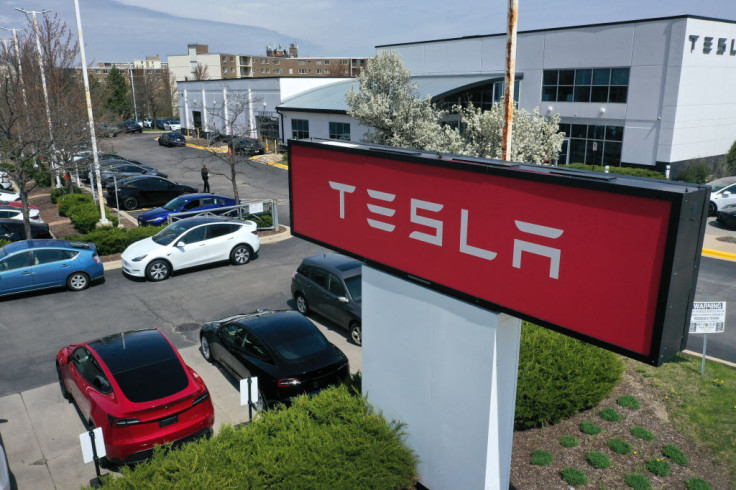
Tesla Inc. (NASDAQ: TSLA) shares climbed nearly 2% Wednesday, closing at $417.40 on Feb. 25, 2026, extending a recent recovery from sub-$400 levels as optimism builds around the company's autonomy ambitions and software monetization efforts.
The electric vehicle leader's stock opened at $412.15, hit an intraday high of $420.34 and traded on volume of about 54 million shares, slightly below the recent average. Tesla's market capitalization hovered near $1.57 trillion, reflecting its position as one of the most valuable U.S. companies despite ongoing volatility in the EV sector.
The gain came amid broader market dynamics and company-specific developments. Tesla rolled out its Grok AI assistant — developed by xAI — to drivers in Australia and New Zealand, marking another step in integrating advanced AI features into its vehicles. The move follows earlier integrations and underscores CEO Elon Musk's vision of transforming Tesla into an AI and robotics powerhouse beyond traditional auto sales.
Investors also monitored progress on the Robotaxi initiative. Tesla has outlined plans to launch unsupervised Full Self-Driving (FSD) capabilities in Austin and expand to additional U.S. cities in the first half of 2026. While skeptics question timelines and regulatory hurdles, proponents see the potential for high-margin recurring revenue from ride-hailing services.
Recent news added nuance. Tesla sued California's Department of Motor Vehicles over a ruling related to Full Self-Driving advertising claims, with the company calling the decision "wrongfully and baselessly" issued. Separately, a court upheld a $243 million judgment against Tesla stemming from an Autopilot-related crash, though the company continues to contest aspects of liability cases.
European challenges persisted, with January registrations falling about 17% year-over-year in some reports, reflecting competitive pressures from Chinese rivals like BYD and softening demand in key markets. Tesla responded with price adjustments, including a cheaper Cybertruck variant unveiled recently to boost volumes.
Financially, Tesla wrapped 2025 with mixed results. Fourth-quarter earnings, released Jan. 28, 2026, showed adjusted EPS of 50 cents, beating estimates, though full-year revenue declined 3% — the first annual drop on record. The company cited macroeconomic headwinds, pricing competition and production shifts but highlighted strength in energy storage deployments and FSD adoption.
Capital expenditures are projected to exceed $20 billion in 2026, funding AI compute infrastructure, data centers, manufacturing expansions and the growing fleet of AI-enabled assets. Management emphasized the necessity of these investments to maintain leadership in autonomy and robotics, including the Optimus humanoid robot program.
Analyst sentiment remains divided. Consensus from sources like MarketBeat and TipRanks shows a "Hold" rating, with an average 12-month price target around $408 to $422, implying limited near-term upside from current levels. Some firms maintain bullish stances on long-term AI potential, while others cite rich valuations — trailing P/E near 380 — and execution risks.
GLJ Research recently downgraded Tesla to a Sell candidate, pointing to a short-term falling trend and potential 10% downside over three months. Morgan Stanley holds an Equal Weight rating with a $415 target, while select outperform calls reach higher on autonomy bets.
Tesla's stock has shown resilience in early 2026 despite a year-to-date dip of about 7% from January highs. It trades well above its 52-week low of $214.25 but remains 16% below the December 2025 peak near $499. The shares have returned roughly 18% over the past year, outperforming some consumer discretionary peers amid sector rotations.
Looking ahead, the next major catalyst arrives with first-quarter 2026 earnings, expected in late April. Analysts will scrutinize delivery numbers, margin trends, FSD subscription growth and updates on Robotaxi rollout. Musk has repeatedly stressed that autonomy represents Tesla's largest value driver, potentially eclipsing vehicle sales if regulatory and technical milestones are achieved.
Challenges include intense competition, regulatory scrutiny on safety claims, macroeconomic factors like interest rates affecting auto financing and supply chain dynamics. Yet Tesla's vertical integration, from battery production to software ecosystems, provides a moat that supporters argue justifies premium multiples.
As trading resumes Thursday, Feb. 26, 2026, with after-hours activity showing a slight dip to around $415, the focus remains on whether momentum from AI announcements can sustain gains or if broader market caution and valuation concerns cap upside. Tesla continues to captivate investors as a high-growth tech play disguised as an automaker, with its trajectory hinging on delivering promised breakthroughs in self-driving and robotics.
© Copyright 2026 IBTimes AU. All rights reserved.
- MOST POPULAR IN News