

Tesla (TSLA) Stock Rises to Around $384 as European Sales Rebound and Terafab AI Chip Plans Fuel Optimism
Tesla Inc. shares climbed about 0.8% to around $383.80 in midday trading Tuesday, March 24, 2026, extending gains from the previous session as investors reacted to signs of recovering demand in Europe and fresh details on CEO Elon Musk's ambitious plans for a massive new semiconductor manufacturing project dubbed "Terafab."
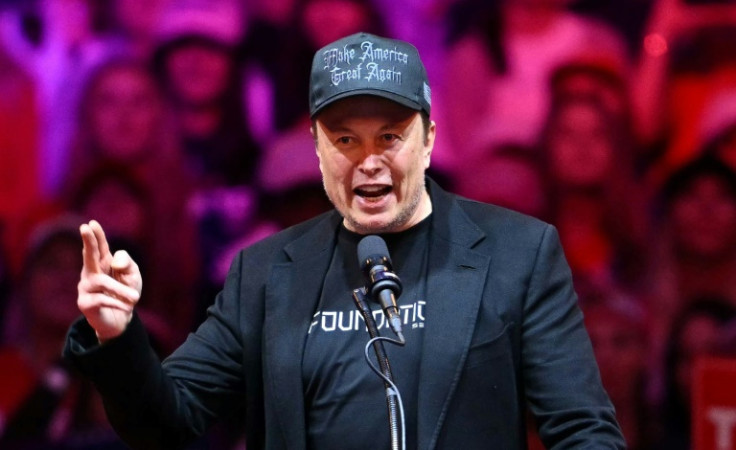
The electric vehicle maker's stock closed Monday at $380.85, up 3.5% on volume of more than 67 million shares. It opened Tuesday near $376.56 and traded in a range of roughly $376.31 to $386.37. The move comes amid a volatile start to 2026, with shares down about 15% year-to-date but still up roughly 37% over the past 12 months. Tesla's market capitalization stood near $1.44 trillion, with a 52-week range of $214.25 to $498.83.
Tesla, the world's most valuable automaker by market value, continues to navigate a challenging environment marked by intensifying competition in the global EV sector, particularly from China's BYD, while betting heavily on autonomous driving technology, robotics and artificial intelligence infrastructure.
Recent data showed Tesla vehicle registrations in Europe rising 11.8% in February after a prolonged slump, offering a potential bright spot after months of declining sales in key markets. The rebound came as broader European car sales edged higher modestly, though Tesla still lagged far behind BYD's explosive 162% growth in the region.
Musk has signaled confidence in a stronger 2026, highlighting plans for widespread robotaxi deployment, production ramps for the Cybercab and Optimus humanoid robot, and significant advancements in Full Self-Driving (FSD) software. A new software update, version 14.3, is expected soon, promising improvements that could accelerate regulatory approvals for unsupervised autonomy.
In a major development last week, Musk announced the Terafab project — a proposed $25 billion semiconductor fabrication facility in Texas aimed at securing Tesla's supply of advanced AI chips for its vehicle computers, data centers and robotics ambitions. The initiative, involving Tesla alongside SpaceX and xAI, seeks to reduce reliance on external foundries like TSMC and address growing demand for compute power. Analysts noted the project's scale and cost could pressure near-term margins but position Tesla as a leader in vertical integration for AI hardware.
Tesla's core automotive business has faced headwinds. The company reported its first annual revenue decline on record in 2025, with full-year figures showing a 3% drop despite a slight Q4 beat. Adjusted earnings per share for the fourth quarter came in at 50 cents, topping estimates of 45 cents, while revenue reached $24.90 billion, narrowly exceeding forecasts.
Production and deliveries for 2025 reflected slower growth amid price cuts, incentive programs and increased competition. Tesla has phased out slower-selling models like the Model S and Model X in some configurations to free up capacity for higher-volume vehicles and future products. The Cybertruck continues to gain traction, with Musk floating ideas for autonomous delivery variants using the same FSD platform.
Wall Street remains divided on Tesla's valuation. The stock trades at a lofty forward price-to-earnings multiple above 300, reflecting bets on non-auto businesses. Consensus analyst price targets hover around $396, implying modest upside from current levels, with ratings split between Hold and Buy. Some firms, including Barclays, have expressed caution over the massive capital expenditures planned for 2026, warning that Terafab and other AI initiatives could prove "very expensive" and dilute near-term profitability.
Optimism centers on Tesla's autonomy push. Musk has predicted robotaxi service will become "very, very widespread" across the U.S. by the end of 2026, with production of the dedicated Cybercab vehicle slated to begin in April at Giga Texas. Plans also call for manufacturing in Europe. Regulatory progress in markets like the Netherlands and UAE could open doors for supervised FSD rollout this year.
The Optimus robot program represents another high-stakes growth avenue. Tesla aims for limited production in 2026, with Musk envisioning the humanoid eventually handling factory tasks and consumer applications. A recent autonomy pop-up event in Austin showcased prototypes alongside Cybercab and live FSD demonstrations.
Energy storage and solar segments continue to provide diversification. Tesla's Megapack deployments have grown rapidly, helping offset softer auto margins. The company has also explored solar equipment deals in China that could expand its clean energy footprint.
Challenges persist. Analysts have trimmed profit forecasts amid higher spending on AI infrastructure and fewer new vehicle models in the immediate pipeline. Macroeconomic factors, including interest rates and consumer sentiment, continue to influence EV adoption. Tesla faces ongoing regulatory scrutiny in multiple jurisdictions over FSD safety and data practices.
Beta remains elevated at around 2.0, underscoring the stock's volatility compared with the broader market. Options activity often spikes around product announcements and Musk's public statements, which can swing sentiment rapidly.
Looking ahead, investors will watch closely for the first-quarter 2026 delivery numbers, typically released early in April, and the Q1 earnings report expected in late April. Any updates on Terafab timelines, FSD regulatory milestones or robotaxi launch cities could catalyze movement.
Tesla's story has evolved far beyond its origins as an electric car company. Under Musk's leadership, it has become a technology platform blending automotive, software, energy and AI. Supporters argue that successful execution on autonomy and robotics could justify the premium valuation and drive explosive growth. Skeptics point to execution risks, competition and the high cost of Musk's ambitious roadmap.
As of midday Tuesday, the stock's resilience reflected renewed hope in Europe and excitement over AI infrastructure plans. Yet with shares still well below last year's highs near $500, the path forward depends on tangible progress against Musk's bold timelines.
Tesla exemplifies the intersection of innovation, disruption and market enthusiasm. Whether 2026 becomes the inflection year for robotaxis and humanoid robots — or another period of heavy investment with delayed payoffs — remains the central question for shareholders.
© Copyright 2026 IBTimes AU. All rights reserved.