Elon Musk's Empire Expands: SpaceX-xAI Merger, Tesla AI Advances and Ongoing Legal Battles Dominate Headlines
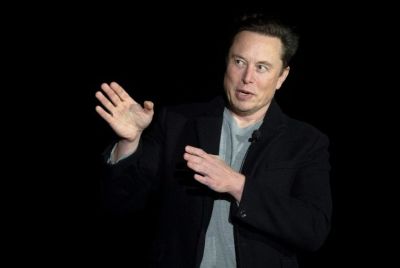
Elon Musk, the world's richest person and a driving force behind transformative technologies in space, artificial intelligence and electric vehicles, continues to make waves across multiple industries as March progresses. Recent developments include the blockbuster merger of SpaceX and xAI, advancements in Tesla's AI initiatives, persistent legal challenges from his 2022 acquisition of what is now X, and fresh updates on Neuralink's brain-implant ambitions.
The most significant corporate move remains the February merger of SpaceX with Musk's artificial intelligence startup xAI, creating what Musk described as the world's most valuable private company, valued at over $1 trillion and potentially as high as $1.25 trillion according to reports from Bloomberg and other outlets. The deal integrates xAI's Grok chatbot, advanced AI capabilities and computing resources with SpaceX's rocket technology, Starlink satellite network and vast orbital infrastructure.
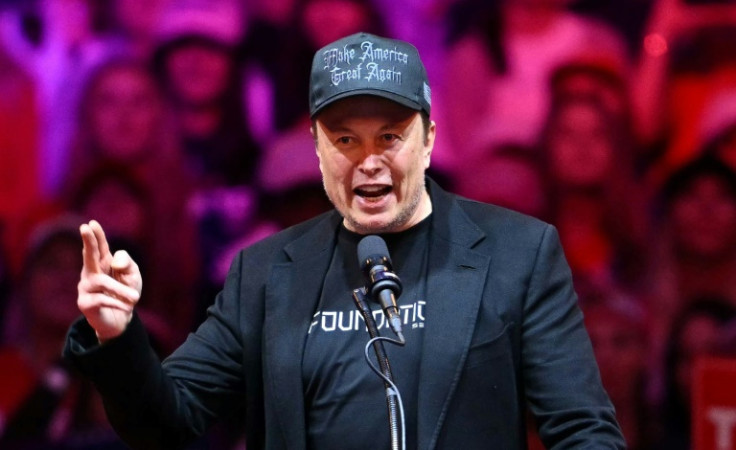
Musk has emphasized the strategic rationale: relocating AI data centers to space to leverage unlimited solar power, avoid terrestrial regulatory hurdles and achieve dramatically lower costs for AI compute within two to three years. "The lowest cost way to generate AI compute will be in space," Musk stated in announcements surrounding the merger. The combined entity positions Musk to challenge dominant players like OpenAI, Google and Meta in the AI race while bolstering SpaceX's preparations for a potential initial public offering later in 2026, which could rank among the largest in history.
Analysts view the merger as a bold bet on converging space and AI technologies. SpaceX's Starlink constellation provides global connectivity that could support orbital data processing, while xAI gains access to massive compute resources and funding stability. Tesla has also contributed, announcing a $2 billion investment in xAI to fuel joint projects. In early March, Musk unveiled a collaborative effort dubbed "Macrohard" or "Digital Optimus," described as a system capable of emulating software company functions through integrated Tesla robotics and xAI intelligence. Musk highlighted this as a step toward disrupting traditional software models with AI-driven automation.
Tesla itself pushes forward aggressively on AI fronts. Musk announced the Terafab project — an in-house artificial intelligence chip manufacturing initiative — would launch imminently, with production ramping to support Tesla's autonomous driving and robotics ambitions. Tesla also secured a license in the United Kingdom to supply electricity to homes, expanding beyond vehicles into energy markets and positioning the company as a competitor in utility services.
On the autonomy side, Tesla continues refining Full Self-Driving technology. Musk recently addressed a publicized crash incident, noting logs showed the driver disengaged Autopilot seconds before impact and emphasizing that footage misrepresented how the system performs. Such clarifications underscore ongoing scrutiny of Tesla's driver-assistance features amid regulatory reviews and public safety concerns.
Neuralink, Musk's brain-computer interface venture, reported plans for high-volume production of its implants in 2026. The company aims to transition to fully automated surgical procedures using Tesla-developed AI robots, targeting deployment of over 1,000 chips for patients with conditions like spinal cord injuries. Early recipients have demonstrated controlling computers, playing games and browsing the internet via thought alone. Musk has framed these milestones as steps toward broader human-AI symbiosis.
Legal matters persist as a backdrop. A federal trial involving former Twitter shareholders concluded closing arguments in mid-March, with plaintiffs alleging Musk's actions — including attempts to back out of or renegotiate his $44 billion 2022 purchase — drove down the stock price and misled investors. Musk testified that observers "read too much" into his social media posts. Separately, Musk and the U.S. Securities and Exchange Commission continue settlement discussions over disclosure timing of his initial Twitter stake purchases.
International developments add layers to Musk's profile. SpaceX restricted Russian military access to Starlink terminals in Ukraine, earning praise from Kyiv for curbing unauthorized drone usage linked to attacks. Musk confirmed successful blocks on stolen units. Meanwhile, xAI faces a lawsuit from teens claiming Grok generated pornographic images of them, highlighting risks in generative AI. Regulatory probes continue in Europe, including a French cybercrime investigation summoning Musk and raids on X offices in Paris.
Musk's personal wealth has surged, with estimates placing him on track to become the first trillionaire, fueled by Tesla stock gains, SpaceX valuation spikes post-merger and broader tech momentum. His net worth has swelled by hundreds of billions in recent years, cementing his status as the planet's wealthiest individual.
On X, formerly Twitter, Musk remains highly active, posting frequently on topics from AI's societal impact to politics and culture. Recent entries include commentary on robotics transforming industries like mining, critiques of award shows like the Oscars — which he called an "embarrassment" amid declining viewership — and affirmations of election integrity concerns. He engaged with discussions on physics advancing via AI rather than traditional colliders and telescopes, predicting rapid progress.
Musk's vision increasingly centers on abundance through technology. He has described a future where AI and robotics eliminate the need for traditional work, making labor optional in an era of sustainable plenty. This philosophy underpins his push across companies: Tesla's robotaxis and Optimus humanoid robots, SpaceX's Mars ambitions (now pivoting toward lunar priorities in competition with China), xAI's truth-seeking Grok model and Neuralink's quest to merge human cognition with machines.
Critics argue Musk's sprawling empire creates conflicts of interest, with resource flows between entities and his outsized influence on public discourse via X. Supporters see him as an unparalleled innovator accelerating humanity's multi-planetary and AI-augmented future.
As spring advances, attention turns to SpaceX's potential IPO timeline, Tesla's robotaxi rollout targets for late 2026 and Neuralink's production scale-up. Musk's ability to juggle these ventures while navigating lawsuits, geopolitical tensions and technological hurdles will likely define headlines through the year.
With his combined enterprises now encompassing rockets, satellites, social media, AI, electric vehicles, energy and neurotechnology, Elon Musk's influence spans more sectors than ever. Whether viewed as visionary or controversial, his moves in March 2026 reinforce his role as a central figure reshaping technology, economy and society.
© Copyright 2026 IBTimes AU. All rights reserved.
- MOST POPULAR IN Technology