10 Best EV Cars to Buy in 2026: Top Picks for Range, Tech and Value in Booming Market
Explore the best electric vehicles for 2026, offering a range of options for every budget and need.
DETROIT — Electric vehicle adoption continues accelerating in 2026, with improving battery technology, expanding charging infrastructure and more affordable options driving record sales. As consumers weigh factors like range, charging speed, price and features, experts have identified the 10 best EVs to consider this year across various budgets and needs.
The EV market has matured significantly, offering compelling alternatives to traditional gasoline vehicles. Federal incentives, state rebates and falling battery costs have made many models more accessible. Analysts project EV sales could reach 25-30 percent of the U.S. new vehicle market in 2026, supported by major manufacturers committing billions to electrification. Here are the top 10 electric vehicles recommended for buyers in 2026, based on performance, value, reliability and real-world usability.

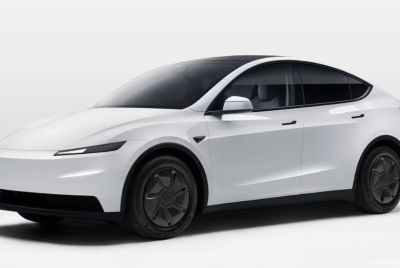
1. Tesla Model Y
The Tesla Model Y remains the best-selling EV globally and a top recommendation for 2026. With an EPA-estimated range of up to 320 miles on Long Range models and access to Tesla's vast Supercharger network, it delivers practicality and efficiency. Recent updates include improved interior materials and enhanced Autopilot features. Starting around $45,000 before incentives, the Model Y offers strong value with its minimalist design, rapid acceleration and over-the-air software updates that keep the vehicle fresh. Families appreciate its spacious cargo area and versatile seating.
2. Hyundai Ioniq 5
Hyundai's Ioniq 5 stands out for its retro-futuristic design, ultra-fast charging and competitive pricing. The 2026 model offers up to 303 miles of range on select trims and can add 100 miles of range in roughly 10 minutes using 800-volt fast chargers. Inside, the vehicle feels premium with innovative features like sliding center consoles and vehicle-to-load capabilities. Priced from approximately $42,000, it appeals to buyers seeking style, technology and practicality without the Tesla premium.
3. Kia EV9
Kia's three-row EV9 provides family-friendly electric mobility with genuine off-road capability on higher trims. Offering up to 304 miles of range and seating for seven, it combines luxury, space and advanced driver assistance systems. Fast charging and a refined ride make it competitive with traditional SUVs. Starting near $55,000, the EV9 delivers strong value for larger households seeking an electric alternative to gas-powered minivans or SUVs.
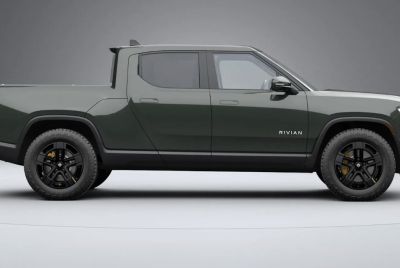
4. Rivian R1T and R1S
Rivian's electric pickup and SUV continue impressing with rugged capability and premium execution. The 2026 models feature improved battery efficiency and range exceeding 350 miles on select versions. Their adventure-ready design, including off-road modes and gear-toting accessories, appeals to outdoor enthusiasts. Though priced from $70,000+, Rivian's focus on durability and unique features justifies the premium for buyers wanting more than basic transportation.
5. Chevrolet Equinox EV
General Motors' Equinox EV brings affordability to the mainstream segment. With an estimated 300+ miles of range and a starting price under $35,000 after incentives, it targets buyers seeking practical electric transportation. The vehicle offers a comfortable ride, intuitive technology and GM's reliable Super Cruise hands-free driving system. Its mainstream appeal and competitive pricing make it one of the strongest value plays in the 2026 EV market.
6. Ford Mustang Mach-E
Ford's electric crossover maintains strong appeal with sporty driving dynamics and distinctive styling. The 2026 Mach-E offers improved range and faster charging, with select models exceeding 300 miles. Its engaging handling and available performance variants satisfy enthusiasts while practical versions serve families. Starting around $40,000, the Mach-E balances fun, utility and technology effectively.
7. BMW iX
BMW's flagship electric SUV delivers luxury and performance with a refined interior and powerful dual-motor setup. Range exceeds 300 miles on top trims, and the vehicle's advanced driver assistance systems set benchmarks for comfort and safety. While priced from $85,000, the iX appeals to buyers wanting premium execution and BMW's signature driving feel in an electric package.
8. Mercedes-Benz EQS
The EQS sedan and SUV variants offer unparalleled luxury in the EV space. With opulent interiors, advanced MBUX infotainment and ranges approaching 350 miles, they cater to high-end buyers. Mercedes' commitment to quality and refinement makes the EQS a benchmark for electric luxury vehicles, though prices starting above $100,000 limit broader appeal.
9. Lucid Air
Lucid's Air sedan continues pushing efficiency boundaries with ranges exceeding 400 miles on select models. Its spacious cabin, advanced aerodynamics and rapid charging make it a standout for long-distance travel. Starting near $70,000, the Air offers luxury and performance that rivals established German brands while delivering class-leading efficiency.
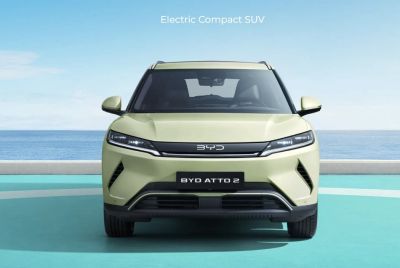
10. BYD Seal
Chinese automaker BYD's Seal brings competitive pricing and solid performance to the U.S. market. With ranges around 300 miles and advanced Blade Battery technology, it challenges established players on value. As tariffs and domestic production evolve, the Seal and similar models could further disrupt pricing across the EV segment.
Key Considerations for 2026 EV Buyers
Range anxiety has diminished significantly as many models now exceed 300 miles, and charging infrastructure expands rapidly. Home charging remains the most convenient option for most owners, but public fast-charging networks from Tesla, Electrify America and others continue growing. Federal and state incentives can reduce effective purchase prices by thousands of dollars, making many models competitive with gasoline alternatives on total ownership costs.
Maintenance savings represent another major advantage. EVs typically require less servicing than internal combustion vehicles, with fewer fluids and brake components lasting longer due to regenerative braking. Insurance costs vary but are trending downward as repair data accumulates and batteries prove more durable than expected.
Environmental impact remains a core motivator for many buyers. While manufacturing EVs requires significant resources, their operational emissions are substantially lower than gasoline vehicles, particularly as electricity grids incorporate more renewables.
Challenges and Risks
EV buyers should consider charging access, particularly for those in apartments or without home charging. Cold weather can reduce range, and long trips require planning around charging stops. Resale values have stabilized but remain volatile compared to traditional vehicles. Technology obsolescence is another factor, though over-the-air updates help mitigate this risk for many models.
Financing and insurance options have improved, but buyers should compare rates carefully. Tax credits phase out or change based on manufacturer volumes, so timing purchases strategically can maximize savings.
Future Outlook for EVs in 2026
The 2026 model year represents a maturing EV market with broader choices than ever. Solid-state battery technology and improved charging speeds are on the horizon, promising even greater range and convenience. Major automakers continue committing resources to electrification, suggesting sustained innovation and competition that will benefit consumers.
For buyers ready to make the switch, 2026 offers compelling options across price points and vehicle types. Test drives and careful research remain essential, as individual needs for range, cargo space and features vary widely. As infrastructure improves and technology advances, electric vehicles are poised to become the default choice for more drivers in the coming years.
The transition to electric mobility represents one of the most significant shifts in automotive history. For those considering an EV purchase in 2026, the market offers unprecedented choice and improving economics. Whether prioritizing efficiency, performance, luxury or value, strong options exist to meet diverse needs while contributing to a lower-carbon future.
© Copyright 2026 IBTimes AU. All rights reserved.
- Recommended For You