

Top Cryptocurrencies to Invest in 2026: 10 Picks for Long-Term Growth
NEW YORK — As the cryptocurrency market navigates geopolitical tensions and macroeconomic uncertainty in March 2026, investors are eyeing established leaders and high-potential altcoins for the year ahead, with Bitcoin hovering near $70,000 and the total market capitalization recovering toward $2.5 trillion.
Bitcoin recently advanced to around $71,000 amid reports of productive Middle East talks, while Ethereum trades near $2,150 and Solana around $91–$94. Despite year-to-date declines for major assets, analysts highlight institutional adoption via ETFs, real-world asset tokenization and blockchain infrastructure as key drivers for 2026.
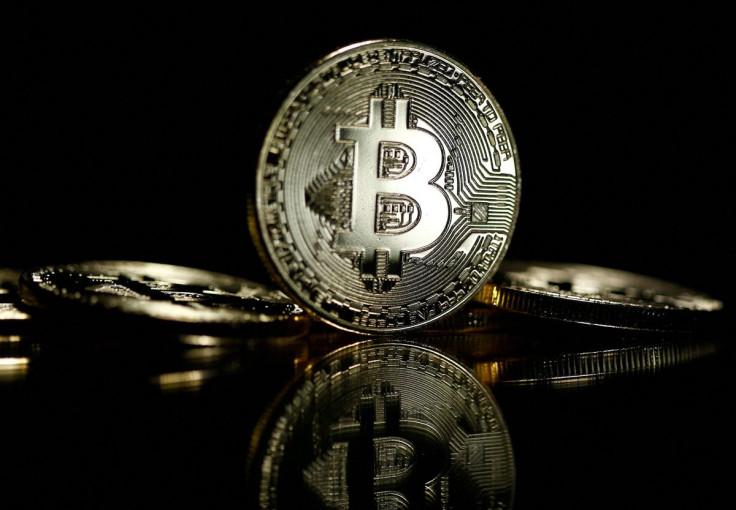
Here are 10 cryptocurrencies frequently cited by analysts for potential in 2026, spanning store-of-value plays, smart contract platforms, payments and infrastructure. Selections draw from recurring recommendations across sources such as CoinDCX, YouHodler, Forbes Advisor and Bitwise Investments, emphasizing fundamentals, adoption trends and ecosystem strength rather than short-term price speculation.
- Bitcoin (BTC) The original cryptocurrency remains the market's anchor with a market capitalization exceeding $1.4 trillion and dominance around 58%. Spot Bitcoin ETFs continue to attract significant inflows, often purchasing more than new supply, reinforcing its role as "digital gold." Analysts point to its scarcity, growing institutional participation and resilience during volatility as reasons for long-term allocation. Bitcoin is viewed as a core holding that typically leads broader market rallies.
- Ethereum (ETH) As the leading smart contract platform, Ethereum powers much of decentralized finance, non-fungible tokens and tokenization efforts. Its market cap stands in the hundreds of billions, supported by high staking participation and Layer-2 scaling solutions that improve efficiency. Ethereum benefits from a vast developer community and potential upgrades that could enhance throughput and reduce fees, positioning it for continued dominance in on-chain activity.
- Solana (SOL) Known for high throughput and low transaction costs, Solana has emerged as a strong contender in consumer applications, DeFi and decentralized physical infrastructure networks. Despite occasional network concerns in the past, its ecosystem shows robust DEX volumes and stablecoin activity. Analysts highlight its speed advantage and growing adoption as factors that could narrow the market-cap gap with Ethereum over time.
- XRP (Ripple) Designed for efficient cross-border payments, XRP has gained traction through partnerships with financial institutions and regulatory clarity progress. Its utility in bridging traditional finance and blockchain appeals to those seeking real-world use cases. With a sizable market cap and focus on liquidity and remittances, XRP often features in lists for its potential in global payments infrastructure.
- BNB (Binance Coin) The native token of the Binance ecosystem offers utility in reduced trading fees, staking and participation in the broader BNB Chain for decentralized applications. Its established exchange backing and diverse use cases provide a buffer, though it faces regulatory considerations common to centralized platforms. BNB frequently ranks among top holdings for its ecosystem integration.
- Chainlink (LINK) As a leading decentralized oracle network, Chainlink connects smart contracts with real-world data, serving the majority of DeFi protocols. Recent developments, including collaborations and the approval of a spot ETF, have strengthened its infrastructure position. Analysts see it as essential for expanding blockchain utility beyond isolated ecosystems.
- Cardano (ADA) Focused on research-driven development and scalability, Cardano targets sustainable blockchain solutions with emphasis on interoperability and governance. While its ecosystem has grown more gradually, proponents cite its strong fundamentals and potential upgrades for long-term value. It appeals to investors seeking a more deliberate approach to smart contract innovation.
- Avalanche (AVAX) Avalanche offers fast finality and subnets for customizable blockchains, attracting developers in gaming, DeFi and institutional applications. Its architecture supports high performance while maintaining security, positioning it for growth in specialized use cases and tokenized assets.
- Dogecoin (DOGE) The meme coin with strong community support has evolved into a cultural phenomenon with occasional utility expansions. Backed by high visibility and social momentum, it features in diversified portfolios for its liquidity and potential viral appeal, though it carries higher speculative risk compared with infrastructure-focused assets.
- Sui (SUI) or similar emerging Layer-1s Newer high-performance chains like Sui are gaining attention for innovative consensus mechanisms and developer-friendly environments. They represent higher-risk, higher-reward opportunities in the expanding Layer-1 landscape, particularly as institutional interest broadens beyond the largest names.
Market Context in Early 2026
The crypto sector has faced headwinds from Middle East developments and broader risk-off sentiment, with Bitcoin down from 2025 peaks but showing resilience above key support levels. Institutional products, including spot ETFs for Bitcoin, Ethereum and potentially others, are expected to drive inflows, with some forecasts suggesting ETFs could absorb more than new supply for major assets.
Trends such as real-world asset tokenization on Ethereum and Solana, stablecoin growth and artificial intelligence integration into blockchain applications could provide tailwinds. Regulatory developments, including potential clarity legislation, remain pivotal for broader adoption.
Risks and Considerations for Investors
Cryptocurrencies are highly volatile and influenced by macroeconomic factors, regulatory shifts and technological risks. Prices can swing dramatically, as seen in recent corrections. Investors should consider only capital they can afford to lose and diversify across assets rather than concentrating in a single coin.
Stablecoins such as Tether (USDT) and USD Coin (USDC) play a crucial liquidity role but are not growth assets in the same vein. Newer or smaller-cap projects carry additional execution and adoption risks.
Access has improved through regulated exchanges, ETFs and custodians, but security remains paramount — using hardware wallets and enabling two-factor authentication is standard practice. Tax implications vary by jurisdiction, and investors should consult professionals.
Outlook for 2026
Analysts remain constructive on the sector's long-term trajectory, citing maturing infrastructure, institutional participation and expanding use cases. Bitcoin is often seen as the foundational asset, with Ethereum and Solana providing exposure to decentralized applications. Infrastructure tokens like Chainlink and high-performance chains could benefit from increased on-chain activity.
A balanced approach might allocate heavily to Bitcoin and Ethereum for stability while adding selective altcoins for growth potential. Monitoring ETF flows, network metrics such as active addresses and transaction volumes, and geopolitical developments will be key.
The year could bring further "ETF palooza" effects and advancements in tokenization, though volatility is likely to persist. Investors are advised to conduct thorough research, stay informed on regulatory news and avoid decisions driven by short-term hype.
© Copyright 2026 IBTimes AU. All rights reserved.