Top 5 Best-Selling Electric Vehicles in Australia 2026: Tesla and BYD Dominate Early Race
SYDNEY — Electric vehicle sales in Australia have surged in the first four months of 2026, with battery-electric models capturing a record share of the new car market as buyers embrace more affordable Chinese brands and established leaders like Tesla continue strong momentum.
According to data compiled from VFACTS, the Electric Vehicle Council and industry analysts through March 2026, the top five best-selling pure EVs reflect shifting consumer preferences toward practical SUVs, competitive pricing and expanding model choices. Tesla's Model Y remains the clear leader, but Chinese manufacturers are closing the gap rapidly.

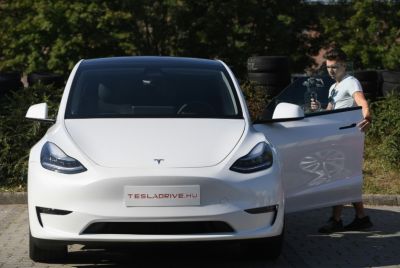
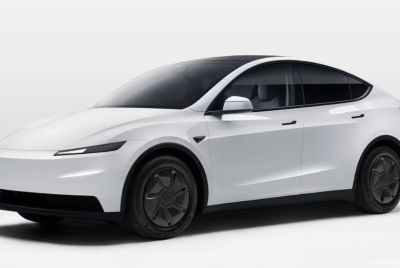
1. Tesla Model Y The compact electric SUV continues its reign as Australia's best-selling EV, with approximately 5,897 to 7,260 units sold year-to-date. Strong March sales of 2,818 units helped maintain its dominance despite increased competition. Buyers praise its range, technology, build quality and widespread Supercharger network. The Model Y's versatility as a family hauler with strong performance makes it a default choice for many Australian households transitioning to electric.
2. BYD Sealion 7 BYD's mid-size electric SUV has been a breakout star, selling around 4,468 units year-to-date with a massive 1,970 deliveries in March alone. The Sealion 7 offers competitive pricing, generous standard equipment, strong performance in its dual-motor variants and a comfortable ride suited to Australian roads. Its rapid rise demonstrates growing consumer confidence in Chinese EV brands.
3. Zeekr 7X The premium electric SUV from Geely's luxury brand has quickly established itself as a serious contender, with roughly 1,725 units sold year-to-date. March deliveries reached 679. Known for its upscale interior, advanced driver assistance systems and impressive range, the Zeekr 7X appeals to buyers seeking luxury features at a more accessible price than traditional European brands.
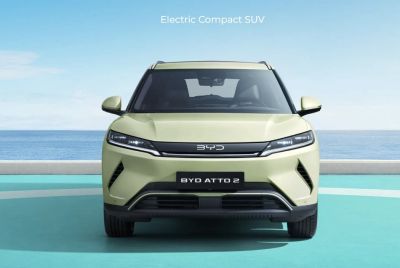
4. BYD Atto 2 This compact crossover has sold approximately 1,481 units year-to-date. Its affordable pricing, practical size for urban driving and solid range have made it popular with first-time EV buyers and young families. The Atto 2's nimble handling and modern tech features have helped it carve out a strong niche in the entry-level segment.
5. Geely EX5 / Tesla Model 3 (tied closely) The Geely EX5 has moved approximately 1,437 units year-to-date, while the Tesla Model 3 sits around 1,363. Both models offer compelling value — the EX5 with sharp pricing and family-friendly features, and the Model 3 with Tesla's ecosystem, performance and software updates. Their battle for fifth place highlights the diversity now available in Australia's EV market.
The broader EV market in Australia has shown remarkable resilience. March 2026 recorded a record 15,839 BEV sales, representing about 14.6% of the total new vehicle market. Year-to-date, EVs continue gaining ground as federal and state incentives, falling battery prices and improved charging infrastructure encourage adoption.
Industry experts attribute the strong performance of Chinese brands to aggressive pricing, generous warranties and feature-packed vehicles that often undercut established competitors. Tesla maintains leadership through brand loyalty and its established charging network, but the gap is narrowing as more affordable options flood the market.
Consumer trends show strong demand for SUVs and crossovers, reflecting Australian preferences for higher-riding vehicles suited to varied road conditions and family needs. Compact and mid-size electric SUVs now dominate sales charts, pushing traditional sedans like the Model 3 further down the rankings.
Challenges remain for broader EV adoption. Range anxiety in regional areas, charging infrastructure gaps outside major cities and higher upfront costs for some models continue to slow uptake among certain buyer groups. However, improving battery technology and government policies supporting the transition are gradually addressing these barriers.
Looking ahead, analysts expect continued growth throughout 2026 as more affordable models arrive and existing popular vehicles receive updates. New entrants and refreshed versions from established players could further shake up the top 10 rankings by year-end.
For Australian buyers considering an EV in 2026, the current top sellers offer proven real-world performance, strong resale value and access to expanding charging networks. Whether prioritizing range, features, price or brand, the market now provides more viable options than ever before.
The strong early-year sales figures signal that electric vehicles are moving from niche to mainstream in Australia. With the top five models representing a healthy mix of established leaders and exciting newcomers, 2026 is shaping up as a pivotal year for the country's clean transport transition.
© Copyright 2026 IBTimes AU. All rights reserved.
- Recommended For You