Australia EV Sales Surge 40-50% in March 2026 Amid Soaring Fuel Prices and Energy Crisis
SYDNEY — Sales and registrations of electric vehicles in Australia jumped sharply in March 2026, with some states recording increases of nearly 50 per cent month-on-month as record-high petrol and diesel prices, triggered by global oil market turmoil linked to the U.S.-Iran conflict, pushed more motorists toward battery-electric options.
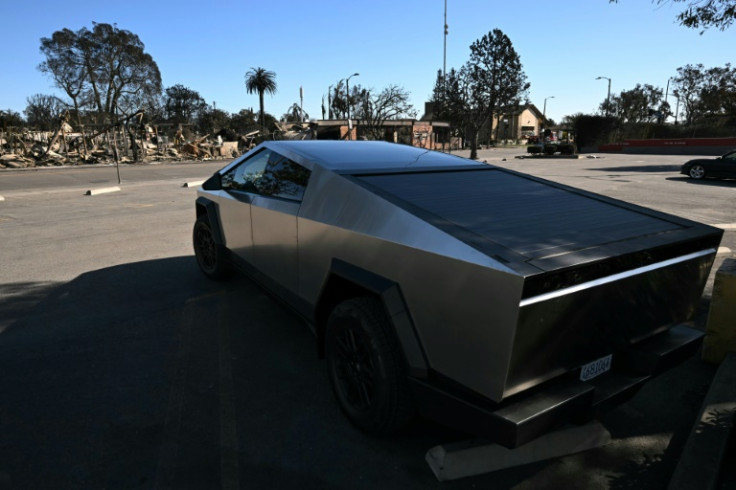
Specialist EV data firm Carloop reported that nearly 4,000 new electric vehicles were registered in New South Wales alone during March, representing an almost 50 per cent rise from February figures and helping lift the state's total battery-electric passenger fleet above 112,000 vehicles. South Australia saw a 44 per cent increase in EV registrations over the same period, according to emerging state-level data.
The Electric Vehicle Council and Federal Chamber of Automotive Industries figures painted a similarly strong picture nationally. Tesla and Polestar combined delivered 3,645 vehicles in March, up 21.1 per cent year-on-year and 6.6 per cent from February. For the first quarter of 2026, the two brands sold 7,725 units, a 40 per cent increase compared with the same period in 2025. Broader EV market share climbed toward 15 per cent in March in some metrics, with full battery-electric vehicles accounting for around 12-15 per cent of new passenger car sales depending on the exact dataset.
The surge coincided with petrol prices climbing toward or exceeding $3 per litre in parts of the country, driven by disruptions to global oil supplies after tensions in the Strait of Hormuz restricted tanker movements. Fears of prolonged fuel shortages and higher ongoing costs prompted many Australians to reconsider the economics of switching to electric or hybrid vehicles, which offer significantly lower running costs once charged at home or public stations.
Online interest mirrored the sales momentum. Carsales data showed EV-related searches nearly tripled from February to March, with a 76.7 per cent jump recorded in the first week of March alone compared with the prior week. CommBank reported a 161 per cent increase in new EV loan volumes in March versus February, while NRMA Insurance noted a sharp rise in quotes for electric models. Dealerships for brands including BYD, Tesla and emerging Chinese manufacturers reported empty showrooms and lengthening wait lists for popular models.
Tesla remained a dominant force, selling 3,485 units in March — more than 600 units higher than the same month in 2025 — with the Model Y continuing as the top-selling EV. Chinese brands such as BYD also gained ground, benefiting from competitive pricing and a broadening model lineup that appealed to cost-conscious buyers seeking relief from fuel expenses. Polestar posted solid gains as well, contributing to the overall upward trend.
Industry observers described March as a potential "tipping point" for EV adoption in Australia. Peter Drennan from Primara Research noted that lower EV prices combined with higher fuel costs and geopolitical instability created an economic trigger that changed purchasing behaviour almost overnight. The Australian Broadcasting Corporation and other outlets reported daily stories of motorists citing fuel prices as the decisive factor in test-driving or ordering an EV.
The growth built on earlier momentum. EV sales had already shown strength in the first two months of 2026, with combined Tesla and Polestar deliveries up 61 per cent year-on-year in January-February. Broader market share for battery electrics reached a record 11.8-12.2 per cent in February before accelerating further in March. Plug-in hybrids also posted gains, rising more than 40 per cent in some quarterly comparisons, as buyers sought a transitional option with electric driving benefits and petrol backup.
Government incentives played a supporting role, though the immediate catalyst appeared to be market forces rather than new policy announcements. Several states offer stamp-duty exemptions or rebates for EVs, while federal initiatives such as the New Vehicle Efficiency Standard continue to shape long-term supply. However, analysts stressed that the March spike was overwhelmingly consumer-driven by the fuel price shock.
Challenges remain for sustained growth. Charging infrastructure, while expanding rapidly in major cities and along key highways, still lags in regional and remote areas where many Australians drive long distances. Supply chain constraints for popular models have led to wait times of several months in some cases, with dealers reporting stock shortages as demand outstripped deliveries. Electricity grid capacity and the pace of renewable energy rollout will also influence how quickly the transition can scale without straining household bills or infrastructure.
Environmental groups and the Electric Vehicle Council welcomed the figures as evidence that Australia is finally catching up to global trends. With more than 410,000 EVs now on Australian roads, the technology is moving from niche to mainstream, particularly in urban and suburban markets. Fleet operators and businesses have accelerated uptake, citing total cost of ownership advantages and corporate sustainability targets.
Traditional automakers with strong hybrid lineups also benefited indirectly, as some buyers opted for petrol-electric hybrids as a lower-risk entry point. Overall new vehicle sales remained mixed, with some segments softening while electrified options gained share at the expense of pure petrol and diesel models.
Economists warned that the fuel crisis could have broader inflationary effects if prolonged, but for EV proponents it represented an unexpected accelerant for decarbonising transport — one of Australia's largest sources of emissions. Lower maintenance costs, smoother driving experience and government signals on future internal combustion engine phase-outs added to the appeal.
Looking ahead, April and May figures will be closely watched to determine whether the March surge represents a sustained shift or a short-term reaction to headline fuel prices. Early indications from dealerships and online platforms suggest strong order books continuing into the second quarter.
Industry leaders called for continued policy support, including faster rollout of charging networks, streamlined approvals for home and workplace chargers, and incentives that reward buyers making the switch. The Federal Chamber of Automotive Industries and Electric Vehicle Council have jointly advocated for measures to ensure supply meets demand without excessive delays.
For individual motorists, the calculus has shifted noticeably. At current petrol prices, many drivers calculate that an EV can pay for itself within a few years through fuel and servicing savings, especially for those with access to off-peak electricity or solar panels. Government rebates in certain states further improve the payback period.
The March data arrives as Australia navigates complex energy security questions amid international instability. While the country remains a major exporter of liquefied natural gas and coal, its reliance on imported refined fuel has highlighted vulnerabilities that EVs can help mitigate over time.
Consumer sentiment surveys conducted in late March showed growing confidence in EV technology, with range anxiety diminishing as real-world experiences and improving battery performance spread through word of mouth and media coverage. Younger buyers and urban professionals led the charge, but interest broadened to include families and regional drivers evaluating longer-term costs.
As winter approaches and driving patterns shift, analysts expect the momentum to carry forward, supported by new model launches and falling battery prices globally. Chinese manufacturers continue to expand their footprint with affordable, well-equipped options that undercut many traditional competitors on price.
The surge in EV interest has also boosted related sectors, from installation of home chargers to second-hand markets for older electric models and even scrap metal prices for batteries in the future. Insurance providers have adjusted policies and noted lower claim frequencies for EVs in some categories due to advanced safety features.
While petrol stations reported brisk business during the price spikes, many operators acknowledged the long-term trend toward electrification and began exploring opportunities in EV charging partnerships.
For now, the March 2026 figures provide the clearest signal yet that Australian drivers are responding decisively when fuel costs bite. Whether this acceleration continues will depend on global oil markets, domestic policy settings and the industry's ability to scale supply and infrastructure.
With more than 15,000 battery-electric vehicles registered nationally in March according to some trackers, the trajectory points toward EVs claiming an ever-larger slice of the new car market. For a nation long tied to its love affair with the internal combustion engine, the shift — supercharged by external events — appears to have reached a new level of urgency and acceptance.
© Copyright 2026 IBTimes AU. All rights reserved.
- Recommended For You