Australia Fuel Crisis 2026: Petrol Prices High, Stations Run Dry – Latest Updates After Iran Ceasefire
SYDNEY — Australia is navigating a persistent fuel crunch triggered by the U.S.-Israel conflict with Iran and the resulting disruptions to global oil shipments, even as a fragile ceasefire in the Middle East has begun easing some international price pressures. Hundreds of service stations remain short on diesel or petrol as of April 11, 2026, with motorists facing elevated prices at the pump and experts warning that significant relief could take weeks or longer to reach Australian bowsers.

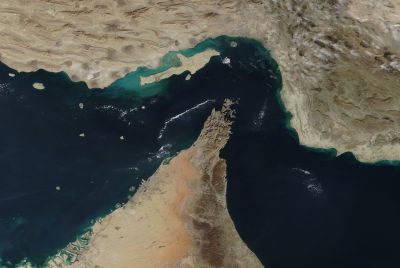
The crisis, which intensified in March when Iran effectively closed the Strait of Hormuz — choking off roughly one-fifth of global seaborne oil trade — has exposed the nation's heavy reliance on imported refined fuels. Australia imports about 90% of its petrol, diesel and jet fuel, primarily from Asian refineries in Singapore, South Korea, Malaysia and elsewhere that depend on Middle Eastern crude.
Prime Minister Anthony Albanese's government has responded with a series of measures, including halving fuel excise taxes, releasing strategic reserves, underwriting expensive spot-market shipments and striking bilateral deals with key suppliers such as Singapore. Energy Minister Chris Bowen has said more than 50 fuel-laden ships are en route to Australian ports, with arrivals expected to improve supplies well into May.
Despite the optimism from Canberra, localized shortages persist. As of early April, reports indicated around 300 service stations nationwide were out of diesel, with higher numbers lacking at least one fuel type, particularly in rural and regional areas where restocking takes longer. Panic buying during the Easter holiday period exacerbated the situation, though supplies held through the long weekend without widespread rationing.
How the Iran conflict sparked Australia's vulnerability
The spark came in late February and early March when Iranian forces restricted tanker movements through the Strait of Hormuz in response to military strikes. Oil prices surged, with Brent crude briefly topping US$119 per barrel before falling sharply to around US$94–95 following ceasefire announcements. That volatility translated directly to Australian forecourts, where diesel prices climbed more than 50% in some periods and petrol rose sharply.
Australia's structural weaknesses amplified the pain. Decades of refinery closures left the country with just two operating facilities — Ampol's Lytton refinery in Brisbane and Viva Energy's Geelong plant — supplying less than 20% of national demand. The nation holds among the lowest strategic fuel reserves of any International Energy Agency member, with roughly 39 days of petrol, 29–30 days of diesel and similar levels for jet fuel at normal consumption rates.
Asian suppliers, hit by their own feedstock shortages, canceled or deferred at least six shipments to Australia in March. China and Thailand imposed export curbs, while competition for available cargoes intensified globally. In response, the government turned to alternative sources including the United States, which sent its largest monthly volume of refined fuels to Australia in decades via tankers carrying diesel, petrol and jet fuel.
Queensland Premier David Crisafulli has urged faster development of an outback oil field, calling the resource "liquid gold" amid the shortages. Climate advocates countered that the focus should remain on expanding renewables rather than new fossil fuel projects.
Government actions and diplomatic efforts
Albanese traveled to Singapore and held talks with Malaysian leaders to lock in continued supplies, leveraging Australia's role as a major LNG exporter in swap-like arrangements. Singapore, which provides about 55% of Australia's petrol and 15% of its diesel, agreed to prioritize shipments in exchange for stable LNG flows.
The government activated new powers to underwrite spot-market purchases for the remaining refineries and lowered mandatory stockholding obligations temporarily to free up product. Fuel excise was cut in half to ease cost-of-living pressures, though analysts note this provides only partial relief given the underlying wholesale price spikes.
Bowen has repeatedly assured the public that supplies remain "secure" and that the nation is not on the brink of nationwide rationing. He pointed to 53 incoming ships and improved stock levels in some categories. However, he stopped short of guaranteeing availability beyond May if disruptions resume.
Opposition voices and industry groups have criticized years of policy that allowed refinery closures and left the country exposed to "just-in-time" import chains. The Maritime Union of Australia called the situation a crisis of Australia's own making, urging rebuilding of sovereign refining capacity.
Impact on daily life, farmers and the economy
The fuel crunch has hit hardest in regional Australia. Farmers facing harvest and planting seasons reported diesel shortages complicating operations, with some contemplating reduced cropping amid prices that climbed dramatically. Trucking and logistics firms warned of higher costs flowing into supermarket shelves and supply chains.
Aviation faced potential pressure on jet fuel, though no major flight cancellations were widely reported. In cities, some stations posted "out of diesel" signs, prompting motorists to queue or switch to alternatives where possible.
Economists have raised concerns about broader inflationary effects and potential drag on growth if the situation worsens. Diesel, critical for heavy transport and agriculture, remains the biggest pinch point. While Brent crude has eased post-ceasefire, analysts from Rystad Energy and others say it will take several weeks — potentially into mid-May or later — for lower international prices to fully filter through to Australian pumps because of long supply chains and existing high-cost contracts.
Some experts caution that even with the ceasefire holding, full restoration of pre-crisis price levels could take months or up to a year as global markets readjust and disrupted production ramps up.
Looking ahead: Relief on the horizon or new risks?
As of April 11, the number of stations without fuel has eased slightly from peak Easter levels, but vigilance remains. The government continues monitoring shipments and has formed a Fuel Security Taskforce to examine longer-term solutions, including potential new storage, demand-reduction measures and incentives for domestic production.
Public reactions on social media have been mixed, with some accusing the government of exaggerating the crisis for political gain and others demanding faster action on energy independence. Motorists are advised to fill up responsibly, check local station apps or websites for availability, and avoid unnecessary panic buying.
The episode has reignited debate over Australia's energy security. Proponents of greater domestic refining and oil exploration argue the crisis proves the risks of over-reliance on imports. Others emphasize accelerating the shift to electric vehicles, public transport and renewables to reduce future oil dependence.
For now, with dozens of tankers steaming toward Australian ports and a tentative Middle East truce in place, officials express cautious confidence that the worst shortages can be avoided. Yet the fragility of global supply chains means any renewed disruption in the Strait of Hormuz could quickly revive pressures.
Australians are being told to proceed with travel plans but to stay informed via official channels. The Australian Institute of Petroleum and state fuel reporting tools offer real-time updates on prices and outages.
As the situation evolves, the fuel crisis of 2026 serves as a stark reminder of how interconnected — and vulnerable — modern economies remain to events halfway around the world. Whether this becomes a catalyst for lasting policy changes in refining, stockpiling and diversification will likely shape Australia's energy resilience for years to come.
Key Facts on Australia's Fuel Situation (as of mid-April 2026)
- Reserves: Approximately 39 days petrol, 29–30 days diesel, 30 days jet fuel (normal consumption)
- Imports: ~90% of refined fuel needs, mainly from Asia
- Domestic refining: Two plants supplying <20% of demand
- Government measures: Halved excise, reserve releases, spot-market underwriting, Singapore deal
- Incoming supply: 50+ ships expected in coming weeks
- Price outlook: Relief possible within weeks, but full normalization may take longer
Motorists can check real-time fuel availability through apps from major chains or government portals. For the latest official updates, refer to the Department of Climate Change, Energy, the Environment and Water.
© Copyright 2026 IBTimes AU. All rights reserved.
- Recommended For You