Australia Fuel Crisis Deepens April 2026: Diesel Shortages Hit Farms and Trucks as Recession Warnings Grow
SYDNEY — Australia's fuel crisis, triggered by disruptions from the US-Israel conflict with Iran and the effective closure of the Strait of Hormuz, continued into mid-April 2026 with hundreds of service stations still reporting shortages, diesel prices exceeding $3 per litre in many areas and economists warning of growing recession risks if supply restrictions become necessary later this year.

Energy Minister Chris Bowen stated this week that Australia holds approximately 38-39 days of petrol reserves, 29-31 days of diesel and about 30 days of jet fuel, with 57 ships carrying more than 4.1 billion litres of fuel secured through May. However, regional areas and the transport sector face ongoing pain, with diesel shortages particularly acute for farmers, truck drivers and miners who keep the economy moving.
As of early April, the number of service stations without diesel had fallen from peaks above 400 to around 173-312 nationwide, depending on daily reporting, with New South Wales hardest hit at times with over 180 stations affected. Hundreds more ran dry on unleaded petrol in rural and outer suburban locations. Panic buying earlier in the crisis exacerbated the situation, though government appeals for normal purchasing habits helped stabilise some queues.
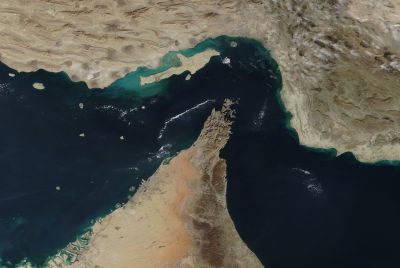
The crisis stems from Australia's heavy reliance on imports. The nation sources about 90% of its refined fuel from Asian refineries that depend on crude oil passing through the Strait of Hormuz, which handles roughly one-fifth of global supply. Disruptions since late February or early March, including cancelled or delayed shipments and reduced refinery output in Singapore, South Korea and Malaysia, created a lag effect now biting into domestic availability. Even with a reported ceasefire in the Iran conflict, experts say repairs to damaged infrastructure mean full supply recovery could take months.
Petrol prices surged from around $1.80 per litre pre-crisis to averages near $2.20-$2.50, while diesel climbed sharply toward or past $3 in affected regions — a jump of 50% or more in weeks. A typical family's weekly fuel bill rose by $20-$30 or higher, adding thousands annually for heavy users. The government halved fuel excise tax for three months, providing roughly 26-32 cents per litre relief at the pump, and released portions of national stockpiles while temporarily relaxing fuel quality standards to broaden import options.
Prime Minister Anthony Albanese's administration activated elements of its four-stage National Fuel Security Plan. The country currently operates in a heightened "plan and prepare" or voluntary conservation phase, encouraging carpooling, reduced unnecessary travel and efficient driving. Stage three could involve prioritising fuel for essential services such as emergency vehicles, food transport, agriculture and mining if shortages worsen. The government has underwritten spot-market purchases by major suppliers Ampol and Viva Energy at inflated prices and holds powers to direct distribution toward vulnerable regions.
Farmers and the transport industry bear the brunt. The National Farmers' Federation warned of potential food price hikes up to 50% if diesel shortages disrupt planting, harvesting and distribution. Truck operators face viability threats, with some reports suggesting up to 70% could struggle without relief. Fertiliser shortages compounded by higher transport costs add pressure on agriculture. Qantas responded by cutting domestic flight capacity 5% and warned of jet fuel costs ballooning to $3.1-$3.3 billion for the half-year.
Retail giant Wesfarmers, owner of Bunnings, Kmart and Target, paused delivery fees on eligible orders until September to ease cost-of-living strain on customers. Used electric vehicle prices rose as some motorists reconsidered combustion engines amid sustained high fuel costs.
Economist Shane Oliver of AMP warned that prolonged disruptions could tip Australia toward recession in the second half of 2026. While immediate price spikes hurt households, the real danger lies in physical shortages forcing usage restrictions that ripple through supply chains, inflation and business confidence. The International Monetary Fund flagged broader global energy crisis risks with potential stagflationary effects.
Critics, including opposition figures and industry groups, pointed to long-term vulnerabilities: Australia once operated eight domestic refineries but now has only two — Ampol's Lytton in Brisbane and Viva Energy's Geelong facility — meeting less than 20% of needs. The country holds far below the International Energy Agency's recommended 90-day reserve obligation, a gap highlighted in past warnings. Calls grow for boosting local production, including accelerated development of the Taroom Trough oil fields in Queensland, where test wells show promise but commercial output may not flow until 2028 at earliest.
In response, the government pursues diplomacy with Singapore, Malaysia and Brunei to secure additional refined fuel. A $20 million public campaign urges fuel conservation. Transport Minister Catherine King confirmed ongoing efforts to support heavy vehicle operators through reduced road user charges.
Regional impacts vary. Urban centres in Sydney, Melbourne and Brisbane see sporadic outages but generally better access, while country towns sometimes face multi-day dry spells at the single local servo. Some stations imposed purchase limits during peak disruption. Vigilante-style complaints about alleged price gouging emerged, though the Australian Competition and Consumer Commission monitors retailers.
Despite challenges, Bowen and Albanese stressed that no expected April shipments failed to arrive and new orders replaced cancellations. They encouraged Easter and school holiday travel to proceed normally, though many families adjusted plans to shorter trips or public transport where possible.
Broader economic effects include rising goods prices as transport costs feed into groceries and retail. Confidence among households and businesses dipped sharply. Some analysts note a silver lining in accelerated interest in electric vehicles, with second-hand EV values climbing.
Longer-term solutions under discussion include incentives for domestic refining and storage expansion, greater biofuel or hydrogen integration, and stronger strategic reserves. Queensland Premier David Crisafulli highlighted his state's potential role in boosting local oil output and refining capacity.
As the crisis enters its second month, the Albanese government faces balancing short-term relief with preparations for possible extended "long tail" disruptions even if Middle East tensions ease. Treasurer Jim Chalmers prepares talks with international counterparts on energy security.
Motorists are advised to fill up responsibly, combine trips and consider alternatives like public transport or remote work where feasible. For businesses, contingency planning around logistics remains essential.
The situation underscores Australia's exposure at the end of global supply chains. While immediate reserves and secured shipments provide a buffer into May, the coming weeks will test resilience as Asian refinery constraints potentially tighten further. Government, industry and consumers alike watch developments in the Middle East and Asian fuel markets closely.
For the latest station availability and prices, drivers can check apps and websites from major fuel networks or the Australian Institute of Petroleum. Authorities continue monitoring and stand ready to escalate measures if needed to keep essential services running.
The fuel crisis of 2026 serves as a stark reminder of energy security's importance in a geopolitically volatile world. Australia's response will shape economic outcomes well beyond the current disruptions.
© Copyright 2026 IBTimes AU. All rights reserved.
- Recommended For You