Australia Fuel Crisis Eases Slightly as National Cabinet Meets Amid Ongoing Hormuz Uncertainty
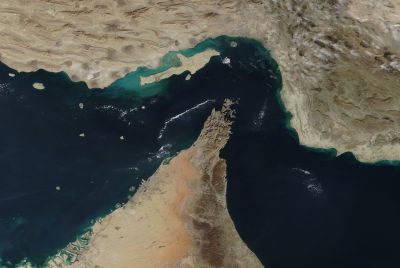
SYDNEY — Australia's fuel supply situation showed modest improvement Thursday as the number of service stations without diesel continued to fall and petrol reserves climbed to 46 days, but premiers gathered in a national cabinet meeting remained deeply concerned about the lingering impacts of disruptions in the Strait of Hormuz and the risk of renewed volatility.

Prime Minister Anthony Albanese told reporters after the meeting that short-term fuel security had been bolstered, with the nation now holding 10 more days of petrol stocks than when the Iran conflict erupted on Feb. 28. Energy Minister Chris Bowen reported that only about 1.5% of the country's roughly 8,300 service stations were without diesel, down from higher figures in recent weeks, while petrol outages remained minimal in most states.
The latest figures come as 57 to 61 fuel-laden ships are en route to Australian ports, some expected to arrive this week, and the government has secured an additional 4.1 billion litres of crude oil, diesel and jet fuel over the coming four weeks. Albanese also confirmed the securing of an extra 100 million litres of diesel through deals with suppliers in Brunei and South Korea.
Despite the positive movement, the crisis triggered by the U.S.-Iran conflict and intermittent closures of the Strait of Hormuz has driven petrol prices up roughly 29% since late February, with national averages hovering near record levels around A$2.30 to A$2.40 per litre for unleaded. Diesel has climbed even higher in many areas, exceeding A$3 per litre in some regions and placing heavy pressure on farmers, truck operators, miners and logistics firms.
A fire at Viva Energy's Geelong refinery earlier in the week temporarily reduced petrol production to 60% capacity and diesel and jet fuel to 80%, though officials said the impact was contained and would not trigger escalation to stage three of the National Fuel Security Plan. Albanese visited the site and emphasized that Australia remains at level two of the plan — "keeping Australia moving" — while preparatory work continues for potential higher stages if needed.
The government has extended relaxed fuel quality standards, allowing higher sulphur content in petrol until the end of September, with a further blending period through December. Bowen described the move as a cautious response to the fragile situation in the Strait of Hormuz, where shipping has been disrupted repeatedly despite a tenuous ceasefire extension.
National cabinet discussions focused on shielding households and businesses from further pain. Premiers expressed worries about rising costs flowing into groceries, freight and essential services, particularly in regional and rural areas where diesel shortages hit hardest. Some states reported localized outages persisting, especially for diesel used in agriculture and heavy transport.
The crisis has already reshaped consumer behavior. Many Australians have cut back on non-essential driving, with traffic volumes dropping on major roads in Sydney and Melbourne. Businesses have adjusted schedules, consolidated deliveries and in some cases passed on higher costs, contributing to broader inflationary pressures. The IMF has warned that the global energy shock could exacerbate Australia's inflation outlook, already complicated by domestic factors.
Public reaction has been mixed. While some motorists welcomed slight price stabilization in certain cities, others reported long queues or empty pumps in outer suburbs and country towns. Trucking associations and farming groups have called for priority allocation of diesel to keep supply chains moving, warning that prolonged shortages could lead to empty supermarket shelves and higher food prices.
The government has released portions of strategic reserves and underwritten spot-market purchases by major suppliers Ampol and Viva Energy to keep fuel flowing, particularly to regional areas. These interventions, combined with diversifying import sources toward the United States, Mexico and alternative Asian suppliers, have helped prevent a deeper crisis so far.
Yet experts caution that the situation remains fluid. Australia imports about 89% of its diesel, much of it refined in Singapore, South Korea and other nations reliant on crude passing through the Strait of Hormuz. Even a fragile reopening of the waterway offers only partial relief, as shipping delays and elevated global oil prices near or above $100 per barrel for Brent crude continue to feed through.
Opposition figures and some analysts have criticized the government for long-term underinvestment in domestic refining capacity and fuel security, arguing that Australia's vulnerability was exposed by the Middle East events. Calls for accelerated development of alternative energy sources and on-site storage for critical industries have grown louder.
For everyday Australians, the fuel crisis has compounded cost-of-living pressures. Households have reported rethinking travel plans, combining errands and even delaying big-ticket purchases. Small businesses, especially those in logistics and agriculture, face squeezed margins and difficult decisions about passing costs to customers.
Looking ahead, the national cabinet committed to continued monitoring and contingency planning. Albanese vowed the government would "do everything we can" to secure supplies and shield families, while urging calm and discouraging panic buying that could worsen local shortages.
As of April 23, the outlook is cautiously optimistic in the near term thanks to incoming shipments and stock builds, but any fresh escalation in the Strait of Hormuz or prolonged global competition for fuel could quickly reverse gains. Prices at the pump are expected to remain elevated for weeks or months, even if physical supply stabilizes.
The episode has highlighted Australia's heavy dependence on imported refined fuels and the fragility of global energy supply chains. It may also accelerate policy debates around strategic reserves, refinery restarts and the transition to lower-emission transport options.
For now, the message from Canberra is one of measured reassurance: supplies are improving, ships are sailing and the worst immediate shortages appear to be easing. Yet with the Middle East situation still volatile and no permanent resolution in sight, Australians are being urged to use fuel wisely while the government works to navigate the ongoing global energy storm.
The coming weeks will test whether current measures hold or if further interventions become necessary. In the meantime, the fuel crisis continues to ripple through the economy, reminding many that events halfway around the world can quickly hit home at the bowser and beyond.
© Copyright 2026 IBTimes AU. All rights reserved.
- Recommended For You