Australia Fuel Crisis Deepens in March 2026: Panic Buying, Soaring Prices and Supply Warnings
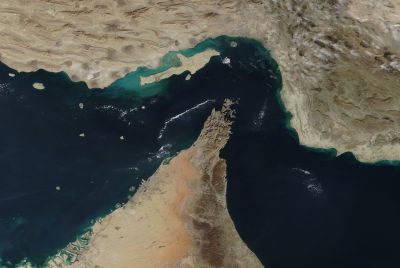
SYDNEY — Australia grapples with a deepening fuel crisis in March 2026, triggered by the ongoing U.S.-Israel war with Iran that has disrupted global oil flows through the Strait of Hormuz. As of March 22, petrol prices have surged to record levels, regional shortages persist despite government assurances of adequate national stocks, and experts warn of potential rationing if disruptions continue beyond mid-April.

Energy Minister Chris Bowen confirmed on March 21 that six oil shipments bound for Australia in April have been turned back or deferred due to escalating tensions. The cancellations compound fears that key Asian suppliers like Malaysia and South Korea may prioritize domestic needs over exports. Bowen emphasized that overall supply remains stable, with petrol reserves at 38 days, diesel and jet fuel at 30 days — figures bolstered by releases from the strategic reserve following an International Energy Agency request.
The government has drawn down about six days' worth of petrol and five days' worth of diesel from emergency stockpiles to ease localized shortages. Bowen described the situation as secure until mid-April, crediting ongoing tanker arrivals and full operation of the nation's two remaining refineries — Ampol's Lytton in Brisbane and Viva Energy's Geelong in Victoria — which meet less than 20 percent of demand. Australia imports roughly 90 percent of its refined fuels, leaving it vulnerable to global shocks.
Panic buying has amplified the crisis. Demand spiked by up to 50 percent in some areas as motorists filled tanks and jerry cans amid war headlines, leading to dry pumps at hundreds of service stations. In New South Wales, Premier Chris Minns reported 107 stations without diesel and 42 completely out of fuel as of mid-March. Similar issues hit regional Queensland, Western Australia and Victoria, where farmers face diesel shortages critical for machinery and transport.
Prices reflect the strain. National average unleaded petrol reached 219.5 cents per litre for the week ending March 15, according to the Australian Institute of Petroleum, up from around 169 cents before the conflict intensified. Diesel climbed to 245.6 cents per litre, with isolated reports of $3 per litre in parts of Sydney's northern beaches. The surge — petrol up 31.8 percent and diesel 40.1 percent since late February — ranks among the sharpest in the developed world, per GlobalPetrolPrices data.
The International Energy Agency urged conservation measures, calling on Australians to work from home where possible, avoid non-essential air travel, reduce road speeds and use public transport. Bowen echoed the advice, noting no one-size-fits-all mandate but encouraging voluntary cuts to preserve supplies for essential services like farming, freight and emergency response.
Broader economic fallout looms. Experts warn a prolonged diesel shortage could halt the economy, empty supermarket shelves and spike food prices by up to 50 percent due to higher transport and production costs. Macrobusiness Chief Economist Leith van Onselen highlighted Australia's uniquely low reserves — breaching IEA's 90-day requirement — as a long-ignored vulnerability. Defence analysts described the situation as "absolutely pathetic," blaming decades of policy inaction on fuel security.
The Australian Competition and Consumer Commission launched a probe into major fuel retailers over alleged anti-competitive conduct, while the government formed a National Fuel Supply Taskforce to coordinate distribution. Prime Minister Anthony Albanese held emergency National Cabinet talks, with states "war gaming" rationing scenarios though reluctant to implement them publicly.
Critics point to structural issues: only two refineries remain after closures, and reliance on Asian imports exposes the nation to geopolitical risks. Some called for faster development of domestic resources in South Australia and Queensland, though experts note such solutions require years, not weeks.
As March 22 draws to a close in Sydney, motorists face queues, price caps at pumps and signs limiting purchases. The government insists no immediate national shortage exists, but warnings persist: if tankers face prolonged delays, mid-April could mark a tipping point. For now, conservation and calm remain the official message amid a crisis that has exposed Australia's energy fragility.
© Copyright 2026 IBTimes AU. All rights reserved.
- MOST POPULAR IN Commodities