Australia Fuel Crisis Deepens as Refinery Fire Compounds Iran War Supply Chaos

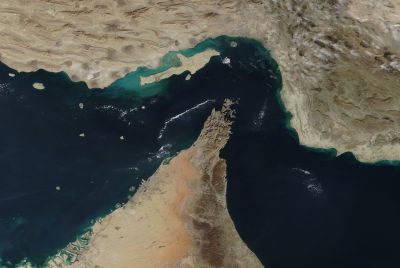
SYDNEY — Australia is grappling with its most severe fuel supply crunch in decades as a major refinery fire in Victoria this week added fresh pressure to an already strained system hit hard by disruptions from the ongoing conflict in the Middle East. With the Strait of Hormuz largely closed for over a month, global oil shipments have been thrown into chaos, exposing the nation's heavy reliance on imports and thin domestic reserves.
The blaze erupted late Wednesday at the Viva Energy refinery in Geelong, one of only two operational oil refineries left in the country. Flames shot up to 60 meters as firefighters battled the incident for more than 13 hours. No injuries were reported, but production took a hit: diesel and jet fuel output dropped to about 80 percent of normal capacity, while petrol production fell to 60 percent. Prime Minister Anthony Albanese visited the site Thursday and insisted there was "no change" to the overall national fuel situation, noting that the facility continues partial operations. Energy officials said repairs could take weeks, with uncertainty hanging over full restoration.
The Geelong fire comes at a critical moment. Australia imports roughly 90 percent of its refined petroleum products, much of it from Asian refineries in South Korea, Singapore, Malaysia and China that depend on crude oil passing through the Strait of Hormuz — a chokepoint carrying about 20 percent of global oil supply. The U.S.-Israel conflict with Iran triggered a near-shutdown of tanker traffic in the strait starting in late February, sending crude prices soaring above $116 a barrel at peaks and triggering widespread supply chain delays.
As of mid-April 2026, live tracking data shows Australia holding roughly 29 days of petrol, 22 days of diesel and 21 days of jet fuel in reserves — figures that vary slightly from government estimates of 38 days for petrol and 31 for diesel. These stocks, while the highest in over a decade, fall far short of the International Energy Agency's recommended 90-day buffer for net importers. Six fuel shipments have already been cancelled or deferred, with more delays expected as global competition for available cargoes intensifies.
The government has moved quickly on multiple fronts. Fuel excise taxes were halved, saving motorists about 26 cents per litre, and heavy vehicle road user charges were reduced to ease pressure on the trucking industry. Officials secured 57 ships carrying 4.1 billion litres of fuel through May, plus an additional 100 million litres of diesel from Brunei and South Korea under new emergency powers. Diplomatic efforts continue in Washington, Tokyo, Seoul and other capitals to lock in longer-term supplies. Treasurer Jim Chalmers has described the situation as Australians "paying a hefty price for events on the other side of the world."
Yet the pain is already being felt on the ground. More than 500 service stations nationwide have run dry at times, with diesel shortages hitting hardest in rural and regional areas. Farmers in the midst of harvest and planting seasons report diesel prices jumping more than 50 percent in recent weeks, forcing some to scale back operations or delay sowing. Trucking operators say costs have doubled, threatening to put up to 70 percent of independent drivers out of business within six months and risking disruptions to food supply chains and supermarket shelves.
Mining companies, a cornerstone of the Australian economy, face similar strains without long-term contracts. Some non-contracted buyers have already encountered informal rationing. Economists warn that if physical shortages force usage restrictions later in 2026, the impact could tip the economy into recession. AMP deputy chief economist Diana Mousina and others predict elevated fuel-driven inflation persisting for at least six months, potentially complicating Reserve Bank decisions on interest rates.
The crisis has highlighted long-standing vulnerabilities. Australia once operated eight refineries that met nearly all domestic needs. Over the past 15 years, most closed as the country shifted to a "just-in-time" import model, exporting crude while importing refined products. Domestic oil production has slumped to its lowest levels since the late 1960s. Critics, including the Maritime Union of Australia, argue this policy left the nation dangerously exposed at the end of the world's longest supply chain.
In response, the government has released portions of emergency reserves and relaxed certain stockholding obligations to free up supply. Energy Minister Chris Bowen has flagged plans to build toward the 90-day international standard, though details remain under discussion. Some analysts point to potential domestic solutions, such as accelerating development in Queensland's Taroom Trough, which could eventually supply up to a quarter of the nation's fuel needs if commercial production ramps up by 2028 or sooner.
Panic buying has compounded the problem in some areas, with reports of queues and empty pumps prompting calls for calm. The government has urged motorists to maintain normal Easter travel plans where possible while promoting conservation measures such as increased public transport use and reduced non-essential driving. National Cabinet is expected to discuss further steps, including potential escalation to higher stages of the National Fuel Security Plan that would prioritize fuel for emergency services, agriculture, mining and healthcare.
The International Monetary Fund has warned of an "unprecedented" global energy crisis that could trigger a worldwide recession in an adverse scenario with sustained high oil prices. For Australia, even a base-case outlook shows slower growth and heightened stagflation risks as household and business confidence erodes under rising costs.
Despite the challenges, officials emphasize that Australia's deep fiscal pockets and diversified diplomatic relationships provide some buffer compared with more vulnerable nations. The country has secured alternative cargoes from the United States and is exploring options in India and elsewhere. Still, experts caution that the lag in global shipping — often five to seven weeks from the Middle East to Asia, plus additional time to Australia — means the full effects of the strait disruption could linger well into June or beyond, even if hostilities ease.
For everyday Australians, the crisis translates into higher prices at the pump and growing anxiety about essential services. Diesel at national averages has climbed toward 312 cents per litre from around 180 cents before the conflict, while petrol has risen from 171 to 240 cents. Families in outer suburbs and regional towns feel the pinch most acutely as commuting and freight costs ripple through the economy.
Longer term, the episode is sparking renewed debate about energy security and the transition away from oil dependence. Calls are growing for incentives to boost domestic production, expand refining capacity where feasible, and accelerate electric vehicle adoption alongside better storage infrastructure. Queensland Premier David Crisafulli has highlighted the need to "drill, refine and store" more aggressively to avoid repeating this vulnerability.
As the situation evolves day by day, the federal government continues to monitor tanker movements and global markets closely. Albanese and his ministers stress that while the coming weeks will test resilience, coordinated action at home and abroad is mitigating the worst risks. For now, the message remains one of cautious optimism tempered by realism: supplies are being secured through May, but sustained disruption beyond that could force tougher choices.
The Geelong refinery fire serves as a stark reminder of how fragile the system has become. With one of the last domestic production facilities partially offline, reliance on imports has never been more apparent. Australians are watching closely as diplomats, energy executives and policymakers work to navigate what many describe as the nation's wake-up call on fuel security.
Economists and industry leaders agree that rebuilding resilience will require investment and policy shifts that extend well beyond the current emergency. In the meantime, conservation, strategic imports and prudent use of reserves will determine how smoothly the country weathers the storm.
The coming months will reveal whether Australia's patchwork of relationships and emergency measures can hold until global oil flows normalize — or whether deeper structural reforms become unavoidable.
© Copyright 2026 IBTimes AU. All rights reserved.
- Recommended For You