Gold Plunges to Four-Month Low Near $4,250 as Middle East Tensions Fuel Inflation Fears
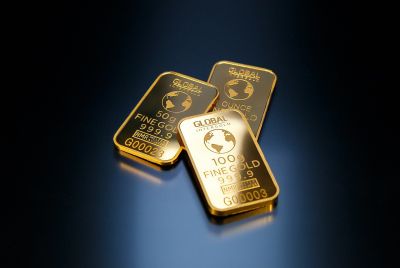
New York — Gold prices tumbled sharply on March 23, 2026, dropping more than 5-6% to hover around $4,200-$4,250 per ounce, marking the metal's lowest levels since late November 2025 and extending a nine-session losing streak. The steep decline, one of the most severe in recent years, came amid escalating conflict in the Middle East, persistent inflation pressures, and shifting expectations toward higher global interest rates rather than cuts.

Spot gold traded at approximately $4,248.50 per ounce as of 5:03 a.m. ET, down $241.70 or 5.38% from the previous close, according to Kitco and CNBC data. Other trackers showed values ranging from $4,203.21 (Reuters) to $4,271.49 (Investing.com futures), with intraday lows dipping below $4,100 in early trading before partial recovery. U.S. gold futures for April delivery fell around 5-8% to near $4,205-$4,337, reflecting heavy selling pressure.
The sell-off accelerated after gold logged its biggest weekly loss in more than four decades the prior week, shedding over 10% amid a broader retreat from a record high of $5,608.35 reached in January 2026. Year-to-date, prices remain elevated compared to early 2025 but have corrected sharply from peaks driven by geopolitical uncertainty and central bank buying.
Analysts pointed to the ongoing Iran-related conflict, now in its fourth week, as a key driver. Oil prices lingering near $100 per barrel have intensified inflation concerns, prompting markets to price in potential rate hikes instead of easing. "With oil hanging around $100 and the conflict escalating, expectations have pivoted from rate cuts to hikes, tarnishing gold's appeal from a yield perspective," said Tim Waterer, chief market analyst at KCM Trade.
Gold, traditionally a hedge against inflation and uncertainty, has paradoxically weakened as higher-for-longer rates boost the opportunity cost of holding non-yielding bullion. Stronger U.S. dollar dynamics and equity market resilience further weighed on the precious metal, which often moves inversely to real yields.
Despite the sharp correction, gold retains significant gains over longer periods. Prices stand about 39-41% higher than a year ago in some benchmarks, supported by central bank purchases, ETF inflows in select periods, and demand from emerging markets. However, the recent pullback has erased much of the post-January momentum, with forecasts now adjusted downward.
Trading Economics projected gold ending the quarter near $4,499 and reaching $4,880 in 12 months, though near-term models reflect caution. Some analysts see potential for rebound if de-escalation occurs or if liquidity injections materialize to offset war impacts, including possible gold sales by major economies.
Physical demand remains mixed. In India and China—key consumers—high prices earlier in 2026 curbed retail buying, though jewelers report steady interest at current levels. U.S. mint sales and ETF holdings show outflows in recent sessions, contributing to downward pressure.
Silver mirrored gold's decline, falling around 5-6% to near $64 per ounce. Platinum and palladium also weakened amid industrial demand concerns tied to economic slowdown fears.
Investors watched for Federal Reserve signals and Middle East developments. A potential ceasefire or de-escalation could stabilize sentiment, while prolonged tensions risk further commodity volatility. Gold's role as a safe-haven asset faces testing as markets weigh inflation persistence against recession risks.
For retail buyers, the dip offers entry points for long-term holders, with spot prices translating to around $136-$148 per gram for 24-karat bullion depending on premiums. Jewelers and dealers report increased inquiries as prices approach psychologically key levels.
As trading continues, gold's trajectory hinges on geopolitical headlines and macroeconomic data. With volatility elevated, the metal's performance underscores its sensitivity to global risk factors in an uncertain 2026 environment.
© Copyright 2026 IBTimes AU. All rights reserved.
- Recommended For You