Australia Braces for Deepening Fuel Crisis as Global Oil Shock Hits Supply Chains
Government secures alternative fuel shipments as Middle East conflict impacts supply

SYDNEY — Australia is facing escalating fuel supply challenges triggered by disruptions in the Middle East, with the government working to secure additional shipments and prepare for potential shortages as global oil markets tighten.
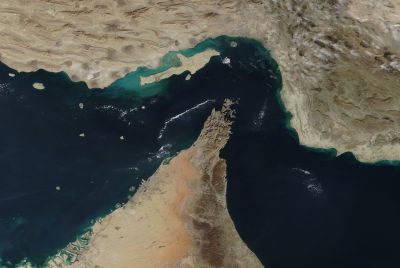
The crisis stems from conflict involving Iran that has affected the Strait of Hormuz, a critical chokepoint for global oil transport. Experts have warned that the full impact on Australia could intensify in coming weeks and months.
Energy Minister Chris Bowen stated that the country currently holds sufficient stocks, but longer-term risks remain if disruptions persist. The government has secured multiple cargoes of diesel, petrol and jet fuel from alternative sources including South Korea, Brunei, Malaysia and Singapore.
As of early May 2026, the government reported 57 ships carrying approximately 4.1 billion litres of fuel en route to Australia, with arrivals expected through late May and June. This includes additional diesel and jet fuel shipments secured in response to the crisis.
Government Response
Prime Minister Anthony Albanese has said Australia remains at level 2 on the national fuel security plan. The government has activated measures including a $7.5 billion Fuel and Fertiliser Security Facility to support purchases and storage.
Documents reveal the government considered retail fuel rationing scenarios as early as March 2026 in preparation for a worst-case outcome. Plans include building public fuel reserves capable of holding 1 billion litres of diesel and aviation fuel.
The 2026 federal budget allocated $14.8 billion toward fuel resilience initiatives. These include a $3.2 billion Australian Fuel Security Reserve, interest-free loans for businesses, temporary reductions in fuel excise and heavy vehicle road user charges, and a gas export reserve.
Transport Minister Catherine King has addressed concerns about impacts on the supply chain. She confirmed efforts to diversify import sources and urged conservation measures such as increased use of public transport.
Supply and Price Situation
As of mid-May 2026, average unleaded petrol prices had moderated but remained elevated. Diesel prices have seen sharper increases, affecting transport and agriculture sectors heavily.
Some service stations have reported temporary diesel shortages, though nationwide figures show the situation has improved from peak disruption periods in April. Experts warn that the worst effects may still be ahead as pre-crisis shipments are exhausted.
The International Energy Agency has cautioned that global oil markets could enter a "red zone" by late July or early August if tensions persist.
Economic and Sector Impacts
The fuel crisis is threatening food supply chains, with warnings that up to 70% of truck drivers could face viability challenges within six months due to rising diesel costs. Farmers are also affected by higher fuel and fertiliser prices.
Inflation has risen partly due to the fuel shock, with the consumer price index reaching 4.6% in recent data. Mortgage holders may face further pressure if interest rates respond to sustained cost increases.
The crisis has prompted political debate, with One Nation polling strongly in some states amid voter concerns over cost-of-living pressures linked to fuel prices.
Industry and Public Response
Fuel retailers and logistics companies have called for urgent action to prevent broader economic disruption. Motorists have been advised against panic buying, though some queues have formed at stations during peak concern periods.
The government has emphasized that Australia is not at immediate risk of running out of fuel but is preparing for prolonged global supply constraints. Diversification efforts include increased imports from the United States, Argentina and Algeria.
This situation echoes earlier oil shocks but is compounded by Australia's heavy reliance on imports after the closure of most domestic refineries in previous years.
Officials continue diplomatic efforts to secure stable supply routes. The situation remains fluid as international developments in the Middle East influence global energy markets.
© Copyright 2026 IBTimes AU. All rights reserved.
- Recommended For You