Warren Buffett Admits Selling Apple 'Too Soon' as He Stays Active Post-CEO Role
OMAHA, Neb. — Warren Buffett, the legendary investor who stepped down as Berkshire Hathaway CEO at the end of 2025, acknowledged Tuesday that he sold too much of the conglomerate's massive Apple stake too early, even as he continues to weigh in on investments and philanthropy at age 95.
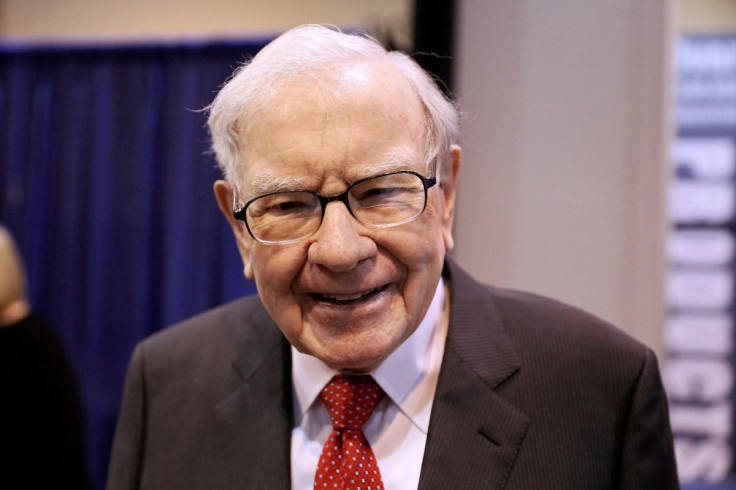
In a CNBC "Squawk Box" appearance, Buffett reflected on Berkshire's decision to trim its Apple holdings, saying simply, "I sold too soon." The Oracle of Omaha, now serving as chairman, also revealed he is still making some investment calls at Berkshire and flagged a "tiny" new buy, offering a rare glimpse into his ongoing influence following the leadership transition to Greg Abel.
Buffett's comments come as Berkshire navigates its first full quarter under Abel, with the company resuming share buybacks, posting strong cash reserves and preparing for its May 2 annual shareholder meeting — the first without Buffett in the CEO's traditional starring role.
Berkshire Hathaway, the conglomerate Buffett built over six decades into a $1 trillion-plus powerhouse, reported a record profit of $97 billion last year, driven by gains in insurance operations and investment income. Yet the transition has brought scrutiny, with Berkshire shares experiencing a seven-day losing streak in late March before stabilizing.
In his first shareholder letter released in late February, Abel paid tribute to Buffett while pledging continuity. "Warren is obviously a very hard act to follow," Abel wrote, emphasizing that Berkshire's culture and values "remain unchanged and will continue into perpetuity." Abel avoided mimicking Buffett's folksy style, opting instead for a straightforward tone focused on operational details and long-term horizons.
Abel will handle two Q&A sessions at the 2026 annual meeting in Omaha on May 2, alongside insurance chief Ajit Jain and other executives. Buffett, who remains the largest shareholder, is expected to attend but is not scheduled to take the main stage for the extended question-and-answer format that defined past gatherings.
Buffett's Tuesday remarks highlighted his enduring engagement. He discussed the revived charity lunch auction, now partnering with NBA star Stephen Curry and his wife Ayesha Curry. The event, which previously raised millions for the GLIDE Foundation to combat poverty and homelessness in San Francisco, returns after a hiatus since 2022. Proceeds will support broader collaboration between business leaders and nonprofits, blending finance with cultural influence.
The billionaire, who turns 96 later this year, has been candid about aging. In a 2025 note, he wrote that "becoming old is not to be denied," noting he moves slowly and reads with increasing difficulty but still reports to the office five days a week. Despite his famous love for Cherry Coke, hamburgers and See's Candies, Buffett credits simple routines, intellectual stimulation, consistent sleep and social connections for his remarkable vitality.
Berkshire's portfolio, valued around $266 billion to $280 billion in recent estimates, remains concentrated in high-quality businesses. Apple, despite trims, continues as a top holding, though reduced from its peak. Other major positions include Bank of America, American Express, Chevron and Occidental Petroleum. The company built a record cash pile exceeding $300 billion to $373 billion, giving Abel flexibility for opportunities in a potentially volatile market.
In early March, Berkshire resumed stock repurchases for the first time since 2024, buying back the equivalent of about 309 Class A shares worth roughly $226 million on March 4. The move signaled confidence in Berkshire's valuation amid the leadership shift. New CEO Abel personally purchased $15 million worth of Berkshire stock, further underscoring faith in the company's future.
Buffett has long favored buying back shares when they trade below intrinsic value, a practice that paused during periods of elevated prices. The resumption comes as Berkshire shares have lagged the broader market at times since Buffett's retirement announcement in May 2025.
Recent portfolio activity included selective buys and trims. Berkshire spent billions on stocks in the final quarters under Buffett, with new or increased positions in areas like Domino's Pizza. It also took a notable stake in UnitedHealth Group, though that bet has faced headwinds. Oil holdings like Occidental Petroleum and Chevron have provided stability amid energy market fluctuations.
Analysts view the Abel era as one of continuity rather than radical change. The new CEO has stressed a patient, long-term approach, concentrating on quality businesses with durable advantages. Berkshire's insurance operations, led by the highly regarded Ajit Jain, continue to generate significant float for investments.
Berkshire reported buying OxyChem for $9.7 billion in one of its larger recent deals, potentially among Buffett's last major influences before the full handoff. The conglomerate also took a $4.5 billion write-down on stakes in Kraft Heinz and Occidental in the latest period.
Investors and observers remain focused on how Abel will deploy Berkshire's enormous cash reserves. With markets facing uncertainties around inflation, interest rates and geopolitical tensions, the "recession portfolio" narrative has surfaced, highlighting Berkshire's defensive posture.
Buffett's investment philosophy — buy wonderful companies at fair prices and hold them long-term — continues to resonate. He has famously held Coca-Cola since 1988 through multiple market crashes, reaping hundreds of millions in annual dividends. "Holding is a skill most people never develop," one investor noted recently on social media, echoing Buffett's emphasis on patience.
The 2026 shareholder letter from Abel avoided quarterly commentary, aligning with Berkshire's tradition of communicating significant issues sparingly. "If a significant issue arises, you will hear from me," Abel wrote, "but it will not be through quarterly commentary, given our long-term horizon."
Buffett's influence extends beyond Berkshire. His annual letters, compiled in books, remain must-reads for investors worldwide. Even in retirement from the CEO post, he fields questions on the economy, AI and market trends. In the CNBC interview, he touched on where he sees opportunities today while acknowledging the power of compounding and the risks of overpaying for growth stocks.
Berkshire's structure as a collection of diverse businesses — from railroads and utilities to consumer brands and insurance — provides resilience. The BNSF Railway, Geico, Dairy Queen and other subsidiaries generate steady earnings independent of stock market swings.
As the May meeting approaches, tickets and logistics for the event in Omaha are drawing attention. The gathering, often called "Woodstock for Capitalists," typically attracts tens of thousands. This year, it will mark a symbolic passing of the microphone, though Buffett's presence ensures his wisdom remains central.
Buffett has warned against speculative manias, including in cryptocurrencies and overhyped tech trends. He prefers businesses he understands with predictable earnings and strong management. His "tiny" new buy mentioned Tuesday underscores that he is not fully sidelined.
Succession planning at Berkshire has been methodical. Abel, who ran the energy and non-insurance operations, was designated successor years ago. Vice Chairman Charlie Munger, Buffett's longtime partner, passed away in 2023, but his emphasis on rational decision-making lives on.
Financial results have remained robust. Berkshire's operating earnings and insurance float provide a powerful engine. The company repurchased shares sparingly in recent years when prices were high but restarted when they appeared more attractive.
For individual investors, Buffett's lessons endure: diversify only when necessary, avoid debt-fueled speculation, and focus on economic moats. His regret over selling Apple shares too aggressively highlights even the greatest investors can second-guess timing.
Buffett's philanthropy continues through pledges of his fortune, primarily to the Bill & Melinda Gates Foundation and family foundations. The charity lunch revival with the Currys injects fresh energy into that effort, potentially raising significant funds while expanding its reach.
As markets fluctuate, Berkshire's cash hoard positions it to act when fear creates bargains — a hallmark of Buffett's career. From the 1970s oil crisis to the 2008 financial meltdown, Berkshire has emerged stronger after downturns.
Abel has signaled no major shifts in dividend policy or capital allocation philosophy. Berkshire has never paid a dividend under Buffett, preferring reinvestment or buybacks.
Tuesday's interview humanized the transition. Buffett expressed satisfaction with Abel's stewardship while staying involved enough to offer perspective. He described feeling generally good despite the physical slowdowns of advanced age.
The broader investing public continues to track every Buffett comment for clues. His admission on Apple served as a reminder that even after trimming, the position remains meaningful and his judgment on timing is self-critical.
Berkshire Hathaway stock closed recently near levels that prompted the buyback resumption. Class B shares have traded with moderate volatility as investors digest the post-Buffett reality.
Looking ahead, the 2026 annual meeting will provide more insight into Abel's vision. Expect questions on AI's impact, capital deployment, insurance results and potential acquisitions.
Buffett's legacy is secure: turning a failing textile mill into one of the world's most valuable companies through disciplined value investing. His net worth, largely tied to Berkshire shares, exceeds $100 billion, yet he lives modestly in the same Omaha home he bought decades ago.
For now, the Oracle remains active, offering candid reflections and supporting new initiatives like the updated charity lunch. His partnership with the Currys bridges generations, introducing his principles to younger audiences via sports and entertainment.
As one social media post circulating Tuesday noted, Buffett's long-term holding of Coca-Cola through every crisis has generated enormous wealth. "You've got to be prepared, when you buy a stock, to have it go down 50% or more," Buffett has advised, a mindset that defined his success.
Berkshire's story under Abel is just beginning, but with Buffett as chairman and largest owner, the transition feels more like evolution than revolution. Investors worldwide will watch closely as the conglomerate writes its next chapter.
© Copyright 2026 IBTimes AU. All rights reserved.
- MOST POPULAR IN Business