Verizon Down for Hundreds on May 13 as Users Report Service Issues Across U.S.
Verizon experiences regional service issues affecting hundreds, not a repeat of January's massive outage.
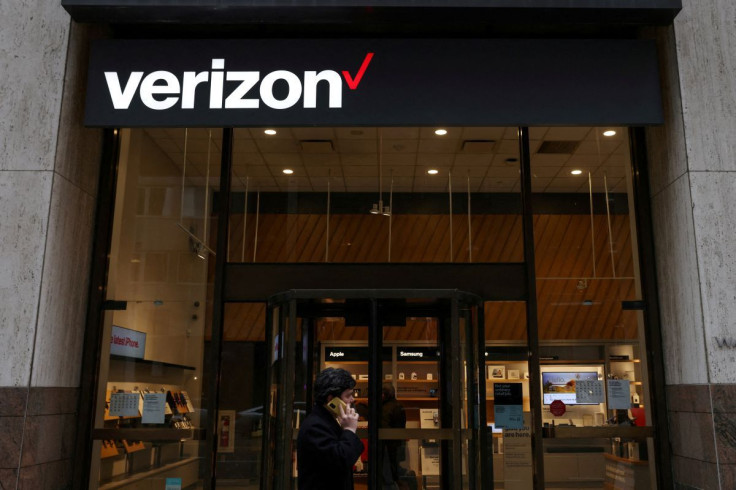
NEW YORK — Verizon Communications is experiencing service disruptions affecting hundreds of subscribers Wednesday, May 13, 2026, according to real-time alerts and user reports circulating online, though the issues appear limited in scope rather than a repeat of the massive nationwide outages that plagued the carrier earlier this year.
The outage monitoring account @status_is_down on X posted at 14:22 GMT, stating "Verizon is down for hundreds of subscribers right now. Are you one of them?" and linking to a community forum discussion titled "Is Verizon down May 13 2026?" The post quickly gained traction among frustrated customers seeking confirmation that their connectivity problems were not isolated.
Downdetector and similar platforms showed elevated but not catastrophic reports for Verizon wireless and 5G home internet in the past 24 hours. Most complaints clustered around mobile phone service and data connectivity rather than a complete network failure. Verizon's official status dashboard indicated normal operations across major regions as of mid-morning Eastern time, with no broad alerts posted.
This latest flare-up comes months after Verizon's infamous January 14 nationwide outage that left millions in "SOS-only" mode for nearly 10 hours. That incident, blamed on a software issue rather than a cyberattack, prompted account credits, an FCC investigation and heightened scrutiny of the carrier's reliability claims. Smaller disruptions have occurred since, including a May 5 fiber-cut event in Western Pennsylvania that affected eastern U.S. customers.
Today's reports appear more regional or device-specific. Customers in various markets described dropped calls, slow data speeds, failed texts and intermittent 5G connections. Some noted their phones switching to Wi-Fi calling automatically or displaying error messages. The volume of complaints — hundreds rather than the millions seen in January — suggests localized congestion, maintenance activity or a targeted software glitch rather than a core network collapse.
Verizon has not issued a public statement specific to May 13 issues. The company's support pages encourage users to check network status via the My Verizon app or website. Standard troubleshooting steps recommended by the carrier include restarting devices, toggling airplane mode, updating software and testing Wi-Fi calling as a temporary workaround.
For those still affected, experts advise patience. Many such incidents resolve within minutes to a few hours as automated systems reroute traffic or engineers address underlying causes. Verizon typically credits accounts when outages exceed certain thresholds, though no formal announcement has been made for today's reports.
The timing coincides with peak weekday usage across the U.S., when streaming, remote work and commute-related data demands strain networks. Verizon serves more than 146 million wireless subscribers and continues expanding its 5G Ultra Wideband footprint. Rapid growth in data consumption from AI applications, video calls and connected devices has increased pressure on infrastructure even as the carrier invests billions in upgrades.
Industry observers note that occasional service hiccups have become an unfortunate reality for all major carriers. AT&T and T-Mobile have faced similar scattered complaints in recent months. No network achieves perfect uptime given the complexity of modern telecommunications systems involving thousands of cell sites, fiber backhaul and software layers.
Customer frustration is understandable. Mobile service has become essential for everything from emergency calls to daily banking and navigation. When issues arise, even limited ones affecting hundreds can generate widespread social media buzz and anxiety, especially after high-profile outages earlier in 2026. Many users maintain backup options such as secondary SIM cards from competitors or satellite messaging features on newer phones.
Verizon has emphasized network reliability in marketing campaigns, positioning itself as the "most reliable network." Today's reports, however minor, risk reigniting debates about whether such claims hold up under real-world stress. Consumer advocates continue pushing for automatic compensation during disruptions and greater transparency from carriers.
For businesses and enterprise customers relying on Verizon, any downtime carries higher stakes. Dedicated support lines and service-level agreements often provide faster resolution, but consumer accounts depend on self-service tools and general updates. The company's Fios fiber internet service appeared less impacted today, with reports focusing primarily on wireless.
As of late morning on May 13, the situation remained fluid. Some users reported partial restoration while others continued experiencing problems. Monitoring accounts like @status_is_down play a valuable role in crowdsourcing real-time information when official channels lag. The linked forum thread on DesignTaxi showed users sharing screenshots of error messages and discussing potential fixes.
Looking ahead, Verizon is expected to continue its aggressive rollout of advanced 5G and future 6G technologies. These expansions aim to reduce future incidents while supporting exploding data demands. In the meantime, customers can stay informed through Verizon's outage map, the My Verizon app and third-party trackers like Downdetector.
The May 13 reports serve as a reminder of how dependent modern life has become on seamless connectivity. While not rising to the scale of January's crisis, the issues affecting hundreds highlight ongoing challenges in maintaining flawless service across a vast network. Verizon has historically resolved such matters quickly and offered goodwill gestures to impacted subscribers.
Users are advised to document any prolonged disruptions for potential credits and to explore alternative communication methods until service stabilizes. The carrier's commitment to network investments suggests these types of events will become less frequent over time, though complete elimination remains unlikely in such a complex system.
For now, most Verizon customers appear unaffected, with the reported problems limited to a subset of subscribers. The situation underscores the importance of diversified connectivity options and staying informed during peak usage periods. As the day progresses, further updates from Verizon or monitoring services will clarify the full scope and resolution timeline.
© Copyright 2026 IBTimes AU. All rights reserved.
- Recommended For You