Iran Threatens Tolls in Strait of Hormuz as Trump Warns of 'Very Bad Time' in Escalating Crisis
Iran's toll plan for the Strait of Hormuz raises global tensions and oil supply concerns.

WASHINGTON — Iran announced plans Thursday to impose tolls on all vessels passing through the Strait of Hormuz, a dramatic escalation that threatens global oil supplies, while former President Donald Trump warned Tehran it would face a "very bad time" if it disrupts one of the world's most critical energy chokepoints.
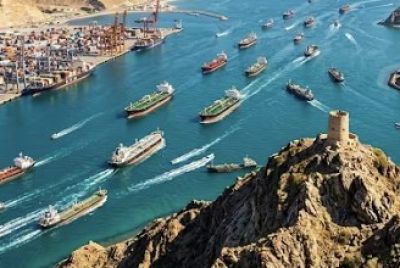
The Iranian Foreign Ministry stated that starting June 1, 2026, all commercial shipping through the narrow waterway would be subject to mandatory fees to "compensate for security and environmental costs" amid heightened regional tensions. The move comes as diplomatic efforts to de-escalate the ongoing crisis between Iran and Western powers have stalled, raising fears of direct confrontation and severe economic fallout.
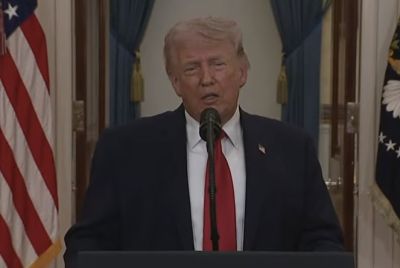
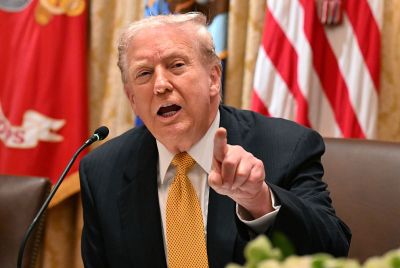
Trump, speaking at a rally in Florida, delivered a stark message to Iranian leadership. "If they try to close or tax the Strait of Hormuz, they're going to have a very bad time," he said to roaring applause. "They know what I'm capable of. The world cannot allow this. It will not be allowed."
The comments come as Trump remains a dominant figure in Republican politics and a potential 2028 candidate, with his hardline stance on Iran resonating with supporters. Current U.S. officials have not publicly endorsed military options but have expressed deep concern over the potential disruption.
Strategic Importance of the Strait of Hormuz
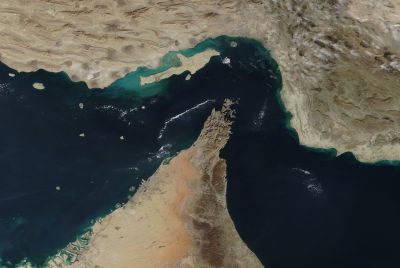
The Strait of Hormuz, a narrow passage between the Persian Gulf and the Gulf of Oman, is one of the most vital energy arteries on the planet. Approximately 21 million barrels of oil — nearly 20 percent of global daily consumption — pass through it every day. Any significant disruption could send oil prices soaring above $150 per barrel and trigger a worldwide energy crisis.
Iran has long claimed the right to control traffic in the strait, which lies along its southern coast. While international law guarantees freedom of navigation, Tehran has previously threatened to close the waterway during periods of heightened tension. The new toll proposal represents a more sophisticated economic pressure tactic rather than outright closure, though analysts warn it could still provoke strong international backlash.
"This is Iran testing the limits," said Dr. Michael Singh, a former senior U.S. official now at the Washington Institute for Near East Policy. "They're betting that the world needs their oil more than it wants to confront them directly. It's a dangerous gamble."
International Reactions Pour In
The announcement triggered immediate condemnation from Western capitals. The European Union called the plan "illegal and provocative," while Saudi Arabia and other Gulf states expressed alarm over potential impacts on their own exports. China, a major buyer of Iranian oil, urged restraint from all parties.
The United Kingdom and France have moved naval assets closer to the region in a show of support for freedom of navigation. The U.S. Navy's Fifth Fleet, based in Bahrain, remains on heightened alert, though Pentagon officials say no immediate military response is planned.
Oil markets reacted sharply, with Brent crude futures jumping more than 8 percent in early trading before settling slightly lower as traders assessed the likelihood of actual implementation. Energy experts warn that even the threat of tolls could add a significant risk premium to global prices.
Background of the Current Crisis
The latest escalation stems from months of rising tensions following a series of incidents involving Iranian-backed militias, alleged attacks on shipping, and stalled nuclear negotiations. Iran has accused the West of economic warfare, while the U.S. and its allies point to Tehran's support for regional proxies and its advancing nuclear program as primary concerns.
Trump's strong rhetoric reflects his previous administration's "maximum pressure" campaign against Iran, which included the killing of Qasem Soleimani in 2020. His comments have drawn both praise from hawks and criticism from those warning against unnecessary escalation.
Current U.S. leadership has taken a more measured public tone but has privately signaled to allies that any attempt to block or excessively tax the strait would cross a red line. Diplomatic channels remain active, though progress appears limited.
Economic and Humanitarian Stakes
Beyond energy markets, the crisis carries broad implications. Higher oil prices would hit consumers worldwide through increased fuel and goods costs. Developing nations dependent on imported energy could face severe economic strain. Insurance rates for shipping in the region have already spiked dramatically.
Humanitarian concerns are also rising. Any military confrontation in the area could lead to civilian casualties and further instability in an already volatile region. Environmental risks from potential oil spills in the confined waters of the strait are another major worry for marine ecosystems.
Iranian officials have framed the toll proposal as a legitimate sovereign right and a response to what they call "hostile actions" by the West. They insist the fees would be reasonable and applied equally to all vessels.
What Happens Next
The coming days and weeks will be critical. International maritime organizations are expected to issue statements on freedom of navigation, while major energy companies assess alternative routing options, including the more expensive route around Africa.
Diplomatic efforts continue behind the scenes, with Qatar, Oman and other regional mediators attempting to facilitate dialogue. The United Nations Security Council is likely to discuss the matter in emergency sessions.
For global markets and ordinary citizens, the situation remains fluid. While outright closure of the strait remains unlikely due to the catastrophic consequences for Iran itself, the toll proposal alone has already injected significant uncertainty into energy markets.
Trump's intervention adds another layer of complexity, as his words carry weight both domestically and internationally. Whether his warning deters Iran or escalates tensions further remains to be seen.
As the world watches developments in the Strait of Hormuz, the stakes could scarcely be higher. A stable flow of energy through this vital chokepoint is essential not just for the global economy but for maintaining peace in one of the world's most dangerous regions. The coming days may determine whether diplomacy can prevail or if the world is heading toward a much more dangerous confrontation.
© Copyright 2026 IBTimes AU. All rights reserved.
- Recommended For You