(VIDEO) Russian Cargo Ship Ursa Major Sinks Off Spain After Mysterious Explosions

CARTAGENA, Spain — A Russian heavy-lift cargo ship sank in the Mediterranean Sea off Spain's southeastern coast on Dec. 23, 2024, after a series of explosions that Russian authorities labeled an act of terrorism. The sinking of the Ursa Major, a vessel linked to Russia's Defense Ministry and operating in the so-called shadow fleet, has fueled international intrigue, with new Spanish investigative details suggesting it may have been carrying undeclared nuclear reactor components destined for North Korea.
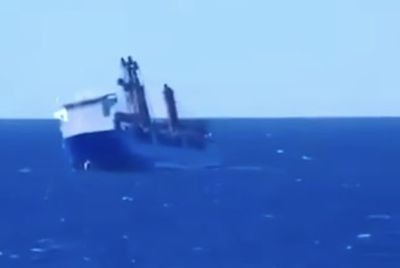
The 9,490-deadweight-ton ship, built in 2009 and owned by Oboronlogistika, was en route from St. Petersburg toward Vladivostok when it suffered catastrophic damage approximately 57-60 nautical miles off Almería, between Spain and Algeria. Spain's maritime rescue service received a distress signal around midday, reporting the vessel listing heavily to starboard. Video footage captured the ship's dramatic tilt before it went down overnight.
Fourteen of the 16 crew members were rescued by Spanish fishing vessels, the patrol boat Serviola and the rescue ship Clara Campoamor, and taken to Cartagena. Two crew members remain missing. Russian officials initially attributed the incident to an engine room explosion, but the ship's owner later reported three distinct blasts on the starboard side.
Cargo Controversy and Nuclear Allegations
What the Ursa Major was actually transporting has become the focal point of speculation. The crew initially declared two large Liebherr port cranes and empty containers. However, Spanish investigators, citing details reported by La Verdad newspaper in late 2025, concluded the vessel carried undeclared strategic cargo: hulls or components for two VM-4SG pressurized water nuclear reactors, likely intended for North Korean submarines.
Satellite imagery and manifests reviewed by authorities reportedly showed blue-tarped objects on deck consistent with reactor casings rather than standard cranes. Some reports suggest the ultimate destination may have been North Korea's Rason port instead of Vladivostok, raising proliferation concerns amid Russia's reported military cooperation with Pyongyang.
No independent confirmation of nuclear material has been publicly released, and Russian officials have not addressed the specific allegations. U.S. radiation-detection aircraft reportedly flew over the wreck site in the days following the sinking, though results remain undisclosed.
Sabotage Theories and Investigation
Russia's Foreign Ministry and the vessel owner described the incident as terrorism. A Russian naval vessel arrived at the scene shortly after the rescue to oversee operations. Weeks later, additional powerful explosions were detected in the area, possibly during recovery or scuttling efforts.
Spanish probes examined hull damage, including a reported 20-inch hole, suggesting possible external impact from a high-speed supercavitating torpedo or magnetic mine. Such weapons are possessed by a limited number of nations, including the U.S. and certain NATO allies. No group has claimed responsibility, and Western officials have not commented publicly on involvement.
The Ursa Major was under U.S. sanctions for supporting Russian military logistics. Its operator has ties to transporting equipment for the Defense Ministry, adding layers of geopolitical sensitivity. Ukrainian intelligence sources hinted the ship may have been involved in moving military gear from Syria following the fall of the Assad regime.
Broader Context and Shadow Fleet Risks
The sinking highlights dangers facing Russia's shadow fleet — aging, often poorly maintained vessels used to evade Western sanctions on oil and military shipments. Maritime security experts note increased incidents involving these ships amid heightened tensions over Ukraine and global alliances.
Environmental concerns were raised over potential pollution from bunker fuel and any hazardous cargo, though no major spills were reported. The wreck lies in international waters at significant depth, complicating salvage or further inspection.
A year and a half later, the case continues to generate headlines as new reporting revives questions about covert technology transfers. CNN and other outlets have highlighted the episode as a flashpoint in efforts to curb nuclear proliferation between Russia and North Korea.
Reactions and Implications
Moscow has demanded full investigation while accusing unspecified parties of sabotage. Spain cooperated with Russian diplomats on the crew rescue but has shared limited public details on the cargo probe. NATO members have remained circumspect, focusing instead on general maritime security in the Mediterranean.
The incident underscores vulnerabilities in global shipping routes and the challenges of monitoring dual-use technology flows. Analysts warn that if nuclear components were indeed aboard, the sinking may have prevented a significant proliferation risk — though at the potential cost of escalation in hybrid naval warfare tactics.
For the families of the missing crew, the tragedy remains personal amid the swirl of espionage theories. Maritime unions have called for greater transparency and protection for seafarers caught in geopolitical crossfires.
As investigations continue quietly, the Ursa Major joins a growing list of mysterious maritime incidents tied to great-power competition. Whether engine failure, internal charges, or external attack caused the sinking, the full story may remain submerged with the wreck — yet fresh revelations ensure the mystery endures in international headlines.
The episode serves as a stark reminder of the opaque world of sanctioned shipping, where declared cargoes can mask strategic shipments and routine voyages can end in explosions and accusations of terrorism on the high seas.
© Copyright 2026 IBTimes AU. All rights reserved.
- Recommended For You