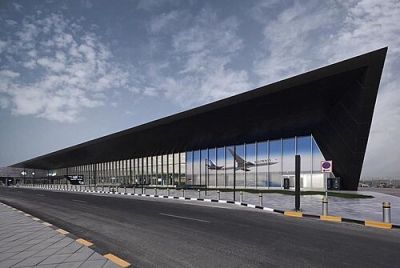
Kuwait International Airport Remains Closed on April 1, 2026 After Fresh Iranian Drone Strike
KUWAIT CITY — Kuwait International Airport stayed shuttered to commercial passenger flights Wednesday as authorities battled a major fire at fuel storage tanks following the latest in a series of Iranian-linked drone attacks that have crippled the Gulf nation's key aviation hub.

No reopening date has been announced for the airport, which handles millions of travelers annually and serves as a vital transit point in the Middle East. The Directorate General of Civil Aviation and Public Authority for Civil Aviation confirmed the ongoing suspension of operations, urging passengers to contact airlines for rebooking options and updates.
Early Wednesday, a drone strike targeted fuel tanks belonging to the Kuwait Aviation Fuel Company near the airport, igniting a large blaze visible from surrounding areas. Firefighting crews responded swiftly and brought the fire under control, with no casualties reported, according to state news agency KUNA and civil aviation officials.
"The attacks targeted fuel tanks ... leading to a large fire breaking out at the site," said Abdullah Al-Rajhi, spokesperson for the General Authority of Civil Aviation. He described the incident as a "brazen" assault by Iran and Iran-backed armed factions.
This latest strike compounds damage from earlier attacks in late February and throughout March 2026, which disabled radar systems, affected Terminal 1 infrastructure and forced the complete halt of regular commercial operations. Flight tracking sites and the official airport website showed no arrivals or departures listed as of midday April 1, with pages displaying messages such as "Unfortunately, we cannot find a flight."
Travelers around the world face widespread disruptions. Thousands of flights have been canceled or diverted, impacting routes across Europe, Asia and Africa. Kuwait Airways advised passengers to check with local offices or the airport for the latest information on booked flights, while major carriers re-routed services through alternative Gulf hubs such as Dubai, Doha and Riyadh.
Regional tensions escalated sharply in recent weeks amid broader Middle East conflict involving Iran, Israel and proxy groups. Kuwaiti officials accused Iran of direct responsibility for the drone campaigns, which have also targeted facilities in neighboring countries. The attacks have raised fears of wider spillover effects on global energy markets and international air travel.
Kuwait's Civil Aviation Authority has activated emergency protocols and contingency plans. Limited military or humanitarian flights may continue under strict controls, but civilian passenger and most cargo operations remain grounded indefinitely pending comprehensive safety assessments, repairs to radar and fuel infrastructure, and clearance of regional airspace risks.
Officials are coordinating with international partners, including the International Civil Aviation Organization, to evaluate damage and plan recovery. A comprehensive repatriation plan for stranded Kuwaiti citizens abroad was already in motion before the latest strike, involving airlifts to Saudi Arabia followed by overland transport, with registration deadlines extended amid the chaos.
The airport, located about 15 kilometers south of Kuwait City, normally operates around the clock with two passenger terminals and handles more than 15 million passengers yearly. Expansion projects aimed at increasing capacity to 25 million passengers annually have been underway, but the current crisis has halted progress and exposed vulnerabilities in critical infrastructure.
Airline executives and travel industry groups expressed concern over the mounting economic impact. Tourism, business travel and oil-related logistics in Kuwait and the broader Gulf region face significant setbacks. Insurance claims related to cancellations and delays are expected to surge, while supply chains for perishable goods and medical supplies could experience bottlenecks.
Travel advisories from several governments, including the United States and European nations, strongly recommend avoiding travel to Kuwait International Airport until further notice. "Kuwaiti airspace remains closed, and the airport is not operational for commercial passenger flights," one advisory stated as of late March, with updates likely to follow the latest incident.
Passengers with existing bookings are advised to monitor airline websites, flight tracking apps such as Flightradar24 and Flightstats, and official Kuwaiti government channels. Many carriers have offered flexible rebooking or refund policies, though processing times vary. Stranded travelers in Kuwait have been directed to hotels and assistance centers set up by authorities.
The closure has ripple effects far beyond Kuwait. Connecting passengers from Europe to Asia, for instance, must now navigate longer routes or face multi-day delays. Cargo operators report diversions adding hours and costs to shipments of electronics, pharmaceuticals and energy equipment.
Kuwait's economy, heavily reliant on oil exports and international finance, could face short-term pressure if the shutdown persists. However, officials emphasize resilience, pointing to backup systems and regional cooperation among Gulf Cooperation Council members to mitigate disruptions.
Experts in aviation security warn that the incidents highlight the growing threat of drone warfare to civilian infrastructure. "Airports typically maintain backup radar and contingency plans, but repeated strikes test even the most robust defenses," said one regional analyst. Recovery could take weeks or months depending on the extent of hidden damage and the security environment.
As of April 1, 2026, weather conditions at the airport showed no additional complications, with low delay indices reported on monitoring sites despite the full operational halt. Temperatures hovered in the mid-20s Celsius under clear skies, conditions that would normally support busy flight schedules.
Kuwait Airways, the national carrier, continues to communicate directly with affected customers while preparing contingency operations. Other airlines serving the route, including low-cost carriers such as Air Arabia and major international players, have adjusted networks accordingly.
The Kuwaiti government has vowed a strong response to the attacks while prioritizing civilian safety and swift restoration of normalcy once conditions allow. Cabinet-level meetings focused on aviation recovery and economic safeguards are ongoing.
For now, the message to travelers remains clear: Kuwait International Airport is not open for regular commercial flights on April 1, 2026, and no immediate resumption is expected. Passengers should avoid heading to the airport and instead contact their airlines or travel agents for alternative arrangements.
The situation remains fluid amid heightened regional tensions. Authorities continue damage assessments and security evaluations, with updates expected in the coming days through official channels.
This prolonged closure serves as a stark reminder of how geopolitical conflicts can abruptly disrupt global connectivity, even in stable Gulf states long known for efficient aviation hubs.
Travelers planning trips involving Kuwait are urged to explore alternative routes through neighboring countries and to purchase comprehensive travel insurance covering political and security disruptions.
As repair crews work around the clock and diplomats seek de-escalation, millions await news of when skies over Kuwait will reopen safely.
© Copyright 2026 IBTimes AU. All rights reserved.
- Recommended For You