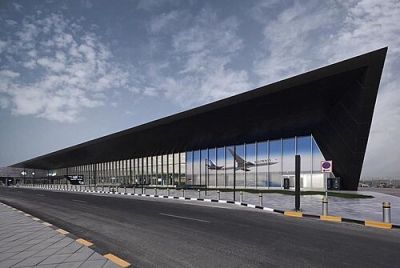
Kuwait International Airport Remains Closed Today Amid Ongoing Security Concerns and Repairs
KUWAIT CITY — Kuwait International Airport stayed shuttered to commercial passenger flights on Wednesday as authorities continued to assess damage from regional conflict and denied persistent rumors of an imminent reopening.

The facility, also known as Kuwait International Airport or KWI, has been closed since Feb. 28, 2026, following drone strikes and missile threats linked to heightened tensions in the broader Middle East, including the U.S.-Iran conflict. Officials from the Public Authority for Civil Aviation confirmed Tuesday that no approvals have been granted for resuming operations, despite social media speculation suggesting otherwise.
Damage from the strikes affected Terminal 1, radar systems and fuel storage infrastructure, forcing the temporary suspension of all regular passenger services. Repairs are underway, but safety certifications and thorough assessments must be completed before any resumption, aviation officials said. No specific reopening date has been announced, leaving thousands of travelers scrambling for alternatives.
The closure has created significant hardship for residents, expatriate workers and international visitors in Kuwait, a key Gulf hub for business and labor migration. Kuwait Airways and Jazeera Airways have redirected operations, with some flights now departing from or arriving at nearby Saudi airports such as Dammam. Passengers must complete check-in procedures at designated locations in Kuwait, including Al Khiran Mall or the International Fairgrounds in Mishref, before being bused across the border — a process requiring valid Saudi visas.
U.S. Embassy alerts in early April urged American citizens to consider overland routes to Saudi Arabia for onward commercial flights, noting that threats of further missile and UAV attacks persist. Similar advisories from other embassies have emphasized shelter-in-place recommendations during periods of heightened alert, including curfew-like restrictions on movement in early April.
The Civil Aviation Authority has repeatedly pushed back against false claims circulating on social media and messaging apps. On April 9 and 10, spokespeople stressed that any announcements claiming flight resumption were unfounded and urged the public to rely solely on official channels for updates. Departure and arrival boards on the airport's website and flight tracking platforms showed no scheduled commercial movements as of April 14, with messages indicating "no flights found."
Regional airspace restrictions have compounded the disruption. Flights attempting to route through or near affected zones in the Gulf have faced cancellations or diversions, even at operational airports in neighboring countries. Insurance coverage issues for carriers operating in restricted airspace have further limited options, according to aviation industry reports.
Travelers holding tickets for Kuwait-bound or departing flights are advised to contact their airlines directly for rebooking, refunds or rerouting through open hubs such as Dubai, Doha, Bahrain or Riyadh. Many carriers have offered flexibility, including fee waivers for changes, but capacity on alternative routes remains strained as summer travel demand approaches.
The economic impact on Kuwait has been notable. The country relies heavily on air links for its large expatriate workforce, oil industry professionals and tourism. Delayed cargo operations have affected supply chains for perishable goods, pharmaceuticals and other imports. Business conferences and family visits have been postponed, while some companies have shifted meetings to virtual formats or alternative locations.
Kuwait Airways has maintained limited operations via partner airports and issued passenger notices directing customers to check official websites or local offices for the latest information. The airline has resumed some services to Istanbul via Dammam in recent weeks, providing a partial lifeline for international connectivity.
Officials have emphasized that public safety remains the priority. Assessments of structural integrity, air traffic control systems and fuel facilities must meet stringent international standards before commercial flights can resume. Coordination with regional partners and international aviation bodies is ongoing to ensure seamless integration once operations restart.
Speculation about reopening has surged periodically, often fueled by unverified social media posts or misinterpreted statements. Each time, authorities have moved quickly to clarify the situation, warning against misinformation that could mislead vulnerable travelers or create false hope.
As of mid-April 2026, the broader geopolitical picture shows signs of cautious de-escalation following earlier ceasefires and diplomatic engagements. However, lingering threats and the need for verified security improvements have kept Kuwait's airspace restricted. Some analysts suggest that full normalization could take weeks or months, depending on the pace of infrastructure repairs and diplomatic progress.
For those stranded or planning travel, practical advice includes monitoring official government and airline websites, securing flexible tickets where possible, and exploring ground transport options to open airports in Saudi Arabia. Overland routes have become a viable workaround for many, though they require additional planning for visas, border crossings and longer journey times.
The situation has drawn international attention, with travel advisory services updating guidance for citizens of numerous countries. Australians, Filipinos, Indians and other large expatriate communities in Kuwait have been particularly affected, prompting community groups to share rerouting tips and support resources.
Aviation experts note that prolonged closures in one Gulf hub often create ripple effects across the region, increasing pressure on alternative airports and driving up fares on available routes. Dubai and Doha have absorbed some redirected traffic, but congestion and higher demand have led to occasional delays even there.
Looking ahead, the resumption of flights at Kuwait International Airport would signal a meaningful step toward normalcy in the Gulf aviation sector. Officials have committed to transparent communication, promising advance notice once a safe reopening becomes feasible. In the meantime, passengers are encouraged to remain patient and proactive in managing their travel arrangements.
The closure underscores the vulnerability of critical infrastructure to regional conflicts and the importance of robust contingency planning in the aviation industry. For a nation like Kuwait, where air travel serves as a vital artery for its economy and society, the stakes are high.
Travelers with upcoming plans involving Kuwait should check flight status frequently and prepare for potential changes. Those already in the country seeking to depart are urged to explore confirmed overland options promptly while monitoring evolving security conditions.
As repairs progress and diplomatic efforts continue, authorities and airlines alike are working to minimize disruption. Yet until official clearance is granted, Kuwait International Airport remains closed to regular commercial passenger operations, with no flights listed for Wednesday or the immediate future.
Passengers and residents are reminded that safety assessments take precedence over speed of recovery. The coming weeks will be critical in determining when normal service can resume, with updates expected through official government and airline channels.
In the interim, the focus remains on supporting affected individuals and ensuring that any restart prioritizes security, reliability and passenger well-being above all else.
© Copyright 2026 IBTimes AU. All rights reserved.
- Recommended For You