Kuwait International Airport Remains Closed on April 20 Despite Prime Minister's Inspection
KUWAIT CITY — Kuwait International Airport did not reopen to commercial passenger flights on Monday, April 20, 2026, as officials continued safety assessments and infrastructure repairs following damage from drone strikes linked to regional conflict, with no confirmed resumption date announced despite a high-level government inspection the previous day.

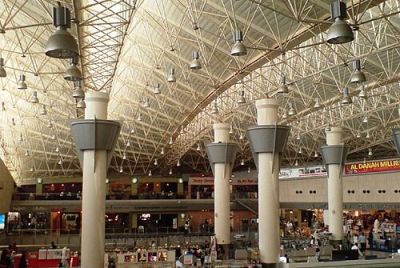
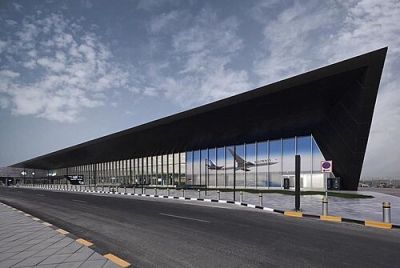
The Directorate General of Civil Aviation and state media reiterated that the airport, closed since February 28 after sustaining hits to Terminal 1, radar systems and fuel storage facilities, remains shut to all scheduled arrivals and departures. Flight tracking platforms and the official airport website showed blank boards with no commercial movements, while departure and arrival information pages displayed messages indicating no scheduled flights.
Prime Minister Sheikh Ahmad Abdullah Al-Ahmad Al-Sabah visited the airport on Sunday, April 19, accompanied by the defense minister and the president of the Public Authority for Civil Aviation. State news agency KUNA reported the tour focused on reviewing reopening plans, evaluating safety measures and ensuring readiness for operations in line with approved standards. The prime minister stressed the need for full compliance with international aviation requirements before any resumption, but stopped short of setting a timeline.
Authorities have repeatedly denied circulating rumors of an imminent reopening, including unverified social media claims suggesting operations could resume as early as April 20 or that Terminal 5 used by Jazeera Airways might restart service. The Civil Aviation Authority issued statements urging the public to rely solely on official channels and avoid spreading unconfirmed information that could confuse travelers and businesses.
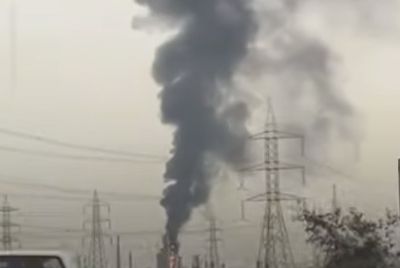
The prolonged closure, now stretching beyond seven weeks, stems from a series of drone attacks that damaged critical infrastructure during heightened tensions in the broader US-Israel-Iran conflict. Initial strikes in late February targeted Terminal 1, causing minor injuries to several employees but no fatalities. Subsequent attacks in March severely impaired the airport's radar systems, complicating safe navigation and air traffic control. Fuel depots also sustained damage, raising concerns over supply reliability for any potential flights.
Kuwait Airways and Jazeera Airways have redirected operations primarily through King Fahd International Airport in Dammam, Saudi Arabia, with ground transfers arranged for passengers via the Nuwaiseeb border crossing. Some routes, including to Manila and Cairo, have resumed via this alternative hub, but the arrangement adds time, cost and logistical complexity for travelers. International carriers have similarly rerouted or canceled services, affecting connections to Europe, Asia and beyond.
The situation has created significant challenges for Kuwait's economy and residents. Thousands of expatriate workers, business travelers and families have faced disrupted plans, with many opting for indirect routes through Dubai, Doha or Bahrain. Hotels and tourism operators reported reduced activity, while freight forwarders noted delays in goods movement, particularly for time-sensitive items like pharmaceuticals and perishable foods. Australians and other international travelers have been advised to reroute entirely, as the closure continues to strain alternative Gulf hubs.
Aviation experts estimate that full repairs to radar equipment, fuel infrastructure and terminal facilities could require several more weeks, potentially pushing a gradual reopening to late May or early June, subject to rigorous safety certifications and regional airspace stabilization. Procurement of replacement radar systems from international suppliers may add further delays. While a fragile US-Iran ceasefire announced in early April offered some hope for de-escalation, it has not yet translated into restored operations at Kuwait International Airport, which remains the only major Gulf hub without commercial flights.
Travelers holding bookings are encouraged to contact their airlines directly for rebooking options or refunds. Kuwait Airways has maintained flexibility on affected tickets, but the lack of a firm reopening date leaves many in limbo, especially those with urgent medical, business or family commitments. The airport's inquiry hotline continues to direct callers to airline contacts rather than providing specific resumption information.
The government's focus during the prime ministerial visit underscored a cautious approach prioritizing safety over speed. Officials highlighted the importance of supporting air transport while ensuring full readiness, including enhanced security protocols and coordination with international bodies. Any phased reopening would likely begin with limited flights and expand gradually after successful test operations and certifications.
For now, the message from authorities remains consistent: Kuwait International Airport is not open for commercial operations as of April 20. Rumors of a sudden restart, including speculative YouTube videos and social media posts claiming flights could resume immediately with dropping fares, have been firmly debunked. The Civil Aviation Authority has warned that premature announcements create unnecessary confusion and potential hardship for passengers making alternative arrangements.
The closure highlights vulnerabilities in regional aviation amid geopolitical tensions. Kuwait's proximity to conflict zones and reliance on advanced radar and fuel systems made it particularly susceptible to disruptions. Since the initial strikes, limited military or special flights may have operated under restricted protocols, but these do not include civilian passenger services.
As repairs progress, neighboring airports have absorbed increased traffic, creating both opportunities and capacity strains. Dammam has seen a surge in Kuwaiti-linked flights, while carriers adjust schedules to accommodate rerouted passengers. Ground transport between Saudi Arabia and Kuwait has become a critical lifeline, though border procedures add another layer of complexity.
The economic ripple effects extend to sectors dependent on seamless connectivity, including oil and gas operations, construction projects and retail reliant on international supply chains. Expatriate communities, which form a large portion of Kuwait's workforce, have expressed frustration over prolonged separations from family members abroad.
Looking ahead, the government is expected to provide regular updates through official channels as milestones in the repair and certification process are reached. A successful reopening would mark an important step toward normalizing life in Kuwait and restoring its role as a regional aviation connector. In the meantime, patience and proactive planning remain essential for anyone affected by the ongoing suspension.
The situation continues to evolve alongside broader diplomatic efforts to stabilize the region. A durable ceasefire and improved security environment could accelerate timelines, but officials maintain that infrastructure integrity and international safety standards will dictate the pace. For travelers checking status on April 20, the reality is unchanged: departure boards remain empty, and commercial flights stay suspended until further notice.
Kuwait International Airport's extended closure serves as a reminder of how quickly geopolitical events can impact civilian infrastructure. As preparations advance following the prime minister's inspection, residents and international partners await the moment when the skies over Kuwait reopen safely, reconnecting the nation to the global travel network.
Until that announcement comes through verified channels, travelers should monitor airline communications and explore viable alternatives to minimize disruption. The commitment to safety expressed during Sunday's high-level visit suggests authorities will not compromise on thoroughness, even as pressure builds for a swift return to normal operations.
© Copyright 2026 IBTimes AU. All rights reserved.
- Recommended For You