Ken Paxton Blocks Property Tax Hikes for 132 Texas Cities in Bold Legal Move
Attorney General Ken Paxton halts proposed property tax increases, impacting 132 Texas cities and towns.
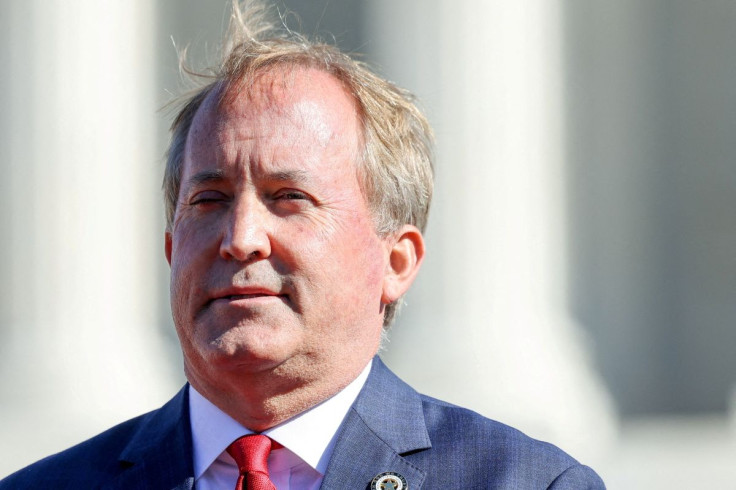
AUSTIN, Texas — Texas Attorney General Ken Paxton has blocked proposed property tax increases in 132 cities and towns across the state, delivering a significant victory for taxpayers while escalating his long-running battle against local governments he accuses of excessive spending and overreach.
In a series of formal opinions and legal interventions issued this week, Paxton's office declared that dozens of municipalities failed to comply with strict new state requirements limiting property tax growth. The move affects cities ranging from small rural communities to major suburbs, freezing tax rate hikes that officials claimed were necessary to cover rising costs for public safety, infrastructure and inflation-driven expenses.
Paxton framed the action as a defense of hardworking Texans against unchecked local taxation. "Texas families are already struggling with high costs, and we will not allow cities to keep raising property taxes without proper justification and transparency," he said in a statement. "This is about protecting homeowners and ensuring local governments live within their means."
The attorney general's intervention relies on 2023 legislation passed by the Republican-controlled Legislature that imposes stricter caps on property tax growth and requires detailed justification for any increases above those limits. Paxton's office reviewed dozens of proposed budgets and determined that 132 entities had not met the statutory thresholds for approval.
Widespread Impact Across Texas
The affected cities include a broad cross-section of Texas communities. Larger suburbs such as some in the Dallas-Fort Worth and Houston metropolitan areas were among those blocked, along with numerous smaller towns in rural regions. Officials in those municipalities had proposed tax rate increases ranging from 3 to 8 percent to address rising pension obligations, infrastructure repairs and increased costs for police and fire services.
Local leaders expressed frustration, arguing that state mandates and inflation have left them with few options. "We are being forced to cut essential services or raise taxes, and now even the tax increases are being blocked," said one mayor who requested anonymity due to ongoing legal concerns. "This creates an impossible situation for cities trying to maintain basic functions."
Homeowner advocacy groups celebrated the decision. Texas homeowners have faced steep property tax increases in recent years due to rapidly rising home values, particularly in booming metropolitan areas. The average Texas homeowner pays among the highest effective property tax rates in the nation, despite the state's lack of personal income tax.
Political and Legal Context
Paxton's aggressive stance on property taxes aligns with his broader conservative agenda and his positioning as a champion of limited government. The Republican attorney general, who has faced his own legal challenges including impeachment proceedings that he survived, has increasingly used his office to challenge local policies on issues ranging from taxation to immigration and education.
The property tax intervention is part of a larger effort by Texas Republicans to curb what they view as wasteful local spending. Governor Greg Abbott and legislative leaders have pushed similar measures in recent sessions, including compression of school district taxes and new appraisal reform laws. Paxton's actions provide enforcement muscle to those policy goals.
Legal experts note that while Paxton's opinions carry significant weight, affected cities could challenge them in court. Some municipalities have already signaled they may seek judicial review, arguing that the attorney general has overstepped his authority in interpreting local budget authority.
Economic Implications for Homeowners and Cities
The blocked tax hikes could save Texas homeowners millions of dollars collectively. For the average homeowner in affected areas, the decision might mean hundreds of dollars in annual savings, depending on property values and the size of the proposed increases. In rapidly appreciating markets like Austin and its suburbs, even small percentage points translate into significant dollar amounts.
Cities facing the restrictions warn of potential service cuts. Public safety, road maintenance and parks departments are often cited as areas that could face reductions if revenue growth is curtailed. Some local officials have begun exploring alternative revenue sources, including fees for services and economic development incentives designed to broaden the tax base.
Real estate experts say the decision could have mixed effects on the housing market. Lower tax burdens may support home values and buyer demand, but reduced city services could eventually impact quality of life and long-term property appreciation in affected communities.
Reactions from Across Texas
The announcement drew sharp partisan responses. Conservative groups and taxpayer organizations praised Paxton for standing up to local government overreach. "This is exactly the kind of leadership Texas needs," said one conservative activist. "Property taxes have become unbearable for too many families."
Democratic officials and progressive organizations criticized the move as heavy-handed interference in local affairs. "Ken Paxton is once again prioritizing politics over practical governance," said a Democratic state representative. "Cities know their communities best and should have flexibility to address local needs."
Moderate voices called for balance, acknowledging the burden of high property taxes while warning against crippling local governments' ability to provide essential services.
Broader Debate on Texas Taxation
Texas has long prided itself on having no state income tax, but reliance on property and sales taxes has created inequities as home values have soared. The state's population boom, particularly in urban and suburban areas, has driven up appraisals and tax bills even as state lawmakers have passed relief measures like homestead exemptions.
Paxton's intervention adds fuel to ongoing debates about property tax reform. Some lawmakers are pushing for further compression and appraisal caps, while others argue that without corresponding spending controls at the local level, such measures simply shift burdens elsewhere.
The timing of Paxton's action, coming during a legislative interim period, also carries political weight as Texas heads toward the 2027 legislative session. Property tax relief remains a perennial priority for Republican leaders seeking to maintain support among suburban and rural voters.
What Comes Next
Affected cities now face difficult choices. They can revise budgets to comply with state limits, seek alternative funding, or challenge Paxton's opinions in court. Some may delay proposed increases until after the next legislative session in hopes of more favorable rules.
For Texas homeowners, the immediate effect is relief from higher bills, but the longer-term impact depends on how cities adapt. If service cuts occur, pressure may build for alternative solutions or increased state aid to local governments.
Paxton's office indicated it will continue monitoring compliance and stands ready to take further action against municipalities that attempt to circumvent the new rules. The attorney general's aggressive approach on this issue has solidified his reputation among conservative voters while drawing sharp criticism from those who see it as executive overreach.
As Texas continues its rapid growth, the tension between state control and local autonomy is likely to intensify. Thursday's action by Ken Paxton represents a significant assertion of state power over local taxation and may set the tone for future battles between Austin and cities across the Lone Star State.
For now, 132 Texas communities must rework their budgets or prepare for legal challenges, while millions of Texas homeowners receive an unexpected reprieve from higher property taxes. The full impact of this decision will unfold over the coming months as cities adjust and the political debate continues in the lead-up to the next legislative session.
© Copyright 2026 IBTimes AU. All rights reserved.
- Recommended For You