JD Vance Praises New $91 Million Medicaid Deferral to Minnesota Amid Ongoing Fraud Probe
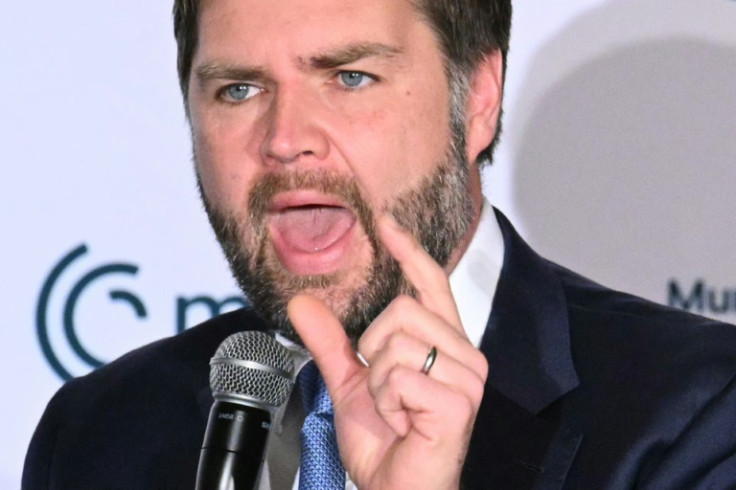
WASHINGTON — Vice President JD Vance on Thursday celebrated the federal government's decision to defer an additional $91 million in Medicaid funding to Minnesota, framing the move as a key victory in the Trump administration's "War on Fraud" and building on earlier withholdings totaling more than $250 million earlier this year.
Vance posted on X quoting a detailed announcement from Centers for Medicare and Medicaid Services Administrator Dr. Mehmet Oz, who notified Minnesota Gov. Tim Walz of the latest deferral. The action targets what Oz described as systemic vulnerabilities in the state's Medicaid program, including high-risk service categories prone to fraud and payments made to ineligible individuals.
"This builds upon the $250 million in Medicaid deferments to Minnesota that Dr. Oz and I announced at the very beginning of our War on Fraud efforts," Vance wrote. "Proud of the work our task force and CMS continue to do." The post quickly gained traction, reflecting strong support among conservatives for aggressive oversight of federal spending.
Oz's announcement detailed the breakdown: $76 million tied to 14 service categories identified as highly vulnerable to fraud, and $14 million linked to program integrity issues, such as payments for ineligible recipients. The deferral follows recent federal searches at childcare and learning centers in the Minneapolis-St. Paul area that receive Medicaid funds, as well as prior scandals including the "Learing Center" case.
The latest action comes after the administration deferred roughly $250 million in February following an audit of Minnesota's fourth-quarter fiscal 2025 billing. At that time, Vance and Oz highlighted concerns over programs including autism care, at-home rehabilitation and non-emergency medical transport. Minnesota responded by suing the federal government, warning of potential cuts to healthcare services for low-income families.
CMS has given Minnesota 60 days to provide additional documentation and a corrective action plan. Officials stressed the deferrals are temporary holds pending verification, not permanent cuts, and emphasized the federal government's responsibility to protect taxpayer dollars while ensuring aid reaches intended beneficiaries.
The moves are part of a broader Trump administration initiative to crack down on waste, fraud and abuse across entitlement programs. President Trump tasked Vance with leading the effort, which has targeted multiple states but focused heavily on Minnesota due to what officials call a pattern of issues under Walz's administration. Oz has described fraudsters as "self-serving scoundrels" and vowed to use every tool available to safeguard Medicaid integrity.
This builds upon the $250 million in Medicaid deferments to Minnesota that Dr. Oz and I announced at the very beginning of our War on Fraud efforts. Proud of the work our task force and CMS continue to do. https://t.co/yTt8eHqpH1
— JD Vance (@JDVance) May 1, 2026
Minnesota officials pushed back strongly. The state Department of Human Services has maintained it is already taking aggressive steps to prevent and recoup fraudulent payments. Critics of the deferrals argue the actions risk harming vulnerable populations, including low-income families, children and people with disabilities who rely on Medicaid for essential services.
The dispute highlights ongoing tensions between the Trump administration and Democratic-led states over federal oversight of jointly funded programs. Medicaid, which provides health coverage to roughly 80 million Americans, is funded roughly half by the federal government and half by states, giving CMS significant leverage to enforce compliance.
Supporters of the deferrals point to documented cases of fraud in Minnesota, including recent DOJ actions involving childcare centers and historical issues flagged in audits. They argue pausing questionable payments protects taxpayers without immediately cutting services, as states have time to respond.
Opponents, including Minnesota Democrats, contend the moves are politically motivated, especially given Walz's role as the 2024 Democratic vice presidential nominee. They warn that repeated deferrals could strain state budgets and force difficult choices on healthcare access.
The administration has signaled similar reviews could target other states with elevated fraud risks. Vance has emphasized that the goal is accountability, not punishment, and has invited states to work collaboratively on corrective plans.
The issue has sparked heated debate online and in policy circles. Conservative voices praised Vance and Oz for prioritizing fiscal responsibility, while progressive critics accused the administration of using fraud concerns as cover for broader cuts to social safety nets. Some disability advocates expressed concern about potential ripple effects on services, even as officials insist legitimate claims will ultimately be paid.
Medicaid fraud has long been a concern nationwide, with estimates of improper payments running into billions annually across states. The Trump administration's aggressive posture reflects a campaign promise to root out waste in government programs, positioning the effort as a way to make entitlements more sustainable without broad benefit reductions.
For Minnesota, the cumulative deferrals now exceed $340 million, adding pressure on state officials to strengthen oversight. Walz's administration has defended its record, noting ongoing reforms and cooperation with federal auditors. Legal challenges are expected to continue as the state seeks to resolve the funding holds.
As the story develops, the Vance-Oz partnership on fraud enforcement is emerging as a signature early initiative of the Trump-Vance administration. The Medicaid deferrals to Minnesota serve as a high-profile test case, illustrating the administration's willingness to leverage federal funding authority to demand accountability from states.
Whether the strategy yields lasting reforms or sparks prolonged legal and political battles remains to be seen. For now, Vance's latest post underscores the administration's determination to pursue what it calls a "whole-of-government" approach to protecting taxpayer dollars while maintaining support for vulnerable Americans.
© Copyright 2026 IBTimes AU. All rights reserved.
- Recommended For You