Trump Praises Navy Commander Kirk Lippold on Fox News for Iran Insights

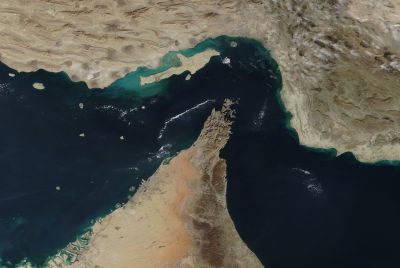
WASHINGTON — President Donald Trump on Friday lauded retired Navy Commander Kirk Lippold for his "smart and insightful" comments on Iran during a Fox News interview with Jesse Watters, continuing his administration's hardline stance on the ongoing Middle East crisis that has disrupted global oil flows through the Strait of Hormuz.
In a Truth Social post, Trump wrote: "Great job by highly respected Navy Commander Kirk Lippold in interview with Jesse Watters on FoxNews. Very smart and insightful concerning Iran, and more. Thank you, Commander!" The message, posted as tensions remain high over the waterway's closure, underscores the president's reliance on military voices to shape public messaging amid diplomatic and military challenges.
Lippold, a former commander of the USS Cole who survived the 2000 terrorist attack in Yemen, has emerged as a frequent commentator on Iran policy. His appearance on Watters' show focused on strategic options for dealing with Tehran, including naval presence in the region and pressure on Iranian leadership to reopen the critical oil chokepoint. The interview aired as crude prices hovered above $110 per barrel for Brent, reflecting supply fears from the Hormuz disruptions.
Trump's endorsement of Lippold aligns with his broader approach to foreign policy, emphasizing strength, experienced military perspectives and skepticism of prolonged negotiations without clear results. The president has repeatedly used his Truth Social platform to amplify allies and pressure adversaries, often bypassing traditional media channels.
The Hormuz crisis, now in its second month, has dominated Trump's recent communications. He has alternated between threats of escalated action and calls for Iran to "open the f---in' strait," as seen in earlier profane posts. The blockade has slashed oil exports, driven up global energy costs and complicated efforts to stabilize the region following U.S. and Israeli strikes earlier this year.
White House officials say the administration is pursuing a dual track of military readiness and diplomacy. U.S. naval forces remain deployed to deter further Iranian aggression, while backchannel talks mediated by third parties continue. Trump has credited his "maximum pressure" campaign with forcing Iran to the table, though critics argue the approach has escalated risks to global shipping and energy markets.
Lippold's background gives his commentary particular weight. As commander of the USS Cole during the al-Qaida suicide bombing that killed 17 sailors, he has firsthand experience with asymmetric threats in the region. In the Watters interview, he reportedly discussed lessons from past confrontations with Iran and advocated for robust deterrence to protect freedom of navigation.
Trump's post quickly circulated on other platforms, drawing praise from supporters who view Lippold as a voice of experience. Conservative commentators highlighted the contrast with what they called "weak" responses from previous administrations. Democrats and some foreign policy analysts cautioned that bellicose rhetoric could complicate de-escalation efforts.
The president's social media activity remains a central element of his communication strategy in the second term. With fewer restrictions than during his first presidency, Trump posts frequently on Truth Social, often late at night or early morning. The platform serves as both a megaphone for policy announcements and a tool for real-time reaction to news events.
Energy markets reacted to the continued uncertainty. Brent crude traded near $111 per barrel Friday morning, while WTI hovered around $105. Analysts say any breakthrough on Hormuz could ease prices quickly, but prolonged closure risks broader economic fallout, including higher inflation and slowed global growth.
The administration has pointed to domestic production gains and strategic reserve releases as buffers for American consumers. However, allies in Europe and Asia have urged faster resolution, citing their greater dependence on Gulf oil. OPEC+ members have adjusted output modestly, but spare capacity limits their ability to fully offset disruptions.
Lippold's interview and Trump's endorsement come as Congress debates supplemental funding for military operations in the region. Bipartisan support exists for protecting shipping lanes, though divisions remain over long-term strategy toward Iran. Some lawmakers call for sustained pressure, while others push for renewed diplomatic engagement.
Foreign policy experts note the complexity of the current moment. Iran's economy has suffered under sanctions and isolation, yet hardliners in Tehran have shown resilience. The U.S. faces the challenge of balancing deterrence with avoiding a wider conflict that could draw in other powers. Trump's public praise for military figures like Lippold reinforces his image as a president who listens to warriors.
As the situation evolves, Trump's Truth Social activity will likely remain a key indicator of administration thinking. His latest post praising Lippold signals continued focus on strength and experienced counsel in dealing with Iran. Whether this approach yields a quick reopening of the strait or leads to further escalation remains the central question for markets, allies and global energy security.
For now, the president continues leveraging his platform to shape the narrative, highlight military voices and project resolve. The world watches closely as diplomatic and military tracks proceed in parallel, with oil prices serving as a daily barometer of success or failure.
© Copyright 2026 IBTimes AU. All rights reserved.
- Recommended For You