Ben Gurion Airport Still Closed on April 8, 2026: Limited Flights Only as Israel-Iran Tensions Persist
TEL AVIV, Israel — Ben Gurion International Airport, Israel's main gateway to the world, remained largely closed to normal commercial operations Wednesday amid ongoing regional security concerns tied to the conflict with Iran, with only highly restricted flights by Israeli carriers permitted under strict military and civilian safety limits.

The Israel Airports Authority and Transportation Ministry continue to advise the public not to arrive at the airport unless collecting arriving passengers or holding confirmed tickets on the limited wartime schedule. All regular flights remain suspended or heavily curtailed, with airspace restrictions in place since late February 2026 when hostilities escalated sharply.
Officials have extended the reduced operations multiple times, most recently signaling potential continuation through mid-April. As of April 8, the airport operates under severe constraints: roughly one takeoff or landing per hour, passenger caps on departing flights increased slightly to around 100 per aircraft, and arrivals subject to security protocols. Foreign carriers have largely halted service, leaving El Al, Israir, Arkia and Air Haifa as the primary operators on a skeleton schedule to key destinations such as New York, Los Angeles, Miami, London, Paris, Rome and Athens.
The situation stems from direct threats to Israeli airspace, including missile and drone attacks that have targeted or come near the airport vicinity. Unlike some Gulf states that maintained more regular operations despite Iranian strikes, Ben Gurion faces heightened risks due to its proximity to potential launch sites, heavy concurrent military use of the facility, and concerns over cluster munitions or shrapnel damage. Recent Houthi claims of attacks near the airport further underscore the volatile environment.
Travelers face significant disruption. El Al has canceled the vast majority of its regular schedule through at least April 18, operating only a handful of reduced flights daily. Other Israeli airlines have similarly scaled back or suspended operations, with ticket sales for departures from Israel closed in many cases through mid-April. Passengers with existing bookings are urged to contact their airlines directly for rebooking, refunds or rerouting options. Some have turned to land crossings with Egypt or Jordan as alternatives, though those routes carry their own security considerations.
The Israel Airports Authority's official Q&A page states clearly: "Due to the current security situation, all flights at Ben Gurion Airport and within the airspace of the State of Israel are suspended until further notice." Aircraft already en route have been diverted to alternate airports in recent weeks. The authority emphasizes that full resumption depends on approval from national and security authorities, with no firm timeline announced.
A two-week ceasefire announced recently has raised hopes for gradual normalization. Officials indicate that once the IDF Home Front Command eases restrictions and declares a return to routine, Ben Gurion could quickly expand operations, lift passenger quotas, and restore hourly flight frequencies. Parking fees at the airport, which were temporarily suspended earlier in the crisis, have already resumed as of late March, signaling some steps toward normalcy.
The prolonged restrictions have strained Israel's economy and isolated many residents and visitors. Tens of thousands of Israelis were initially stranded abroad when the airspace first closed, prompting limited repatriation flights. Business travelers, tourists and families planning spring holiday travel have seen plans upended, with some Jewish American groups canceling Passover-related trips. Tech industry delegations and other essential travel have sought priority access under the limited quotas.
International airlines, following NOTAMs (Notices to Airmen) and guidance from bodies like the FAA and EASA, continue to avoid Israeli routes. United Airlines and others have extended suspensions of Tel Aviv service well into the year. This contrasts with more stable operations at airports in neighboring countries, highlighting the unique security calculus for Ben Gurion.
Inside the terminal, activity is minimal. Security screenings, baggage handling and passenger flow operate at reduced capacity. The public is generally asked to stay away to avoid congestion and security complications. Limited staff manage essential services for the few flights that do depart or arrive, while maintenance crews prepare for eventual full reopening.
Aviation experts note the unprecedented nature of running both military and limited civilian operations from the same airport during active conflict. Shrapnel incidents affecting aircraft on the ground in prior weeks led to tighter passenger limits and temporary halts. The current one-flight-per-hour cap reflects careful risk assessment balancing the need for connectivity with public safety.
For those still needing to travel, options remain scarce. Land borders with Jordan and Egypt stay open with standard hours, though authorities recommend checking conditions and avoiding unnecessary time in border areas. Some travelers have routed through Cyprus or other nearby hubs when rare connecting flights allow.
The broader economic ripple effects are significant. Tourism, a key sector, has suffered heavily. Exporters reliant on air cargo face delays, though freight operations continue on a restricted basis. The tech sector, which depends on frequent international travel, has adapted with more virtual meetings but laments the isolation.
Government officials, including Transportation Minister Miri Regev, have monitored the situation daily. Slight easing — such as raising departing passenger caps from 50-80 to around 100 — occurred in recent days, but full schedules remain off the table. Weekly reviews by the Transportation Ministry and security bodies will determine further adjustments.
As April 8 dawned with no immediate change announced, many Israelis checked flight apps and news sites hoping for updates. Social media buzzed with traveler frustration mixed with understanding of the security imperatives. Families separated by the restrictions shared stories of postponed weddings, medical treatments abroad and business opportunities lost.
Looking ahead, a sustained ceasefire or de-escalation could accelerate reopening. Past patterns after previous rounds of conflict show Ben Gurion rebounding quickly once threats subside, with airlines rushing to restore routes. Yet the current Iran-related escalation, involving direct strikes and proxy actions, has proven more challenging than earlier Gaza or Lebanon-focused periods.
The Israel Airports Authority maintains updated notifications on its website and advises passengers to monitor official channels. Those with flights on the limited schedule should arrive with extra time for enhanced security procedures. Baggage limits and other rules may differ from normal operations.
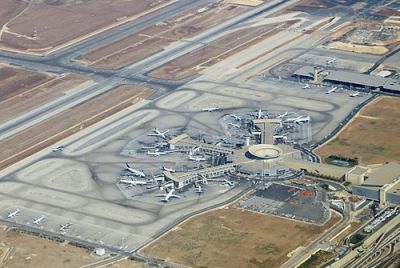
Ben Gurion's resilience has been tested before. As Israel's primary international hub handling tens of millions of passengers annually in peacetime, its current quiet stands in stark contrast to the usual bustle of Terminal 3. The airport's modern facilities, expanded in recent years, now serve a fraction of their capacity.
For the global Jewish community and Israel's many international ties, the airport's status carries symbolic weight. Safe and open skies represent normalcy; their restriction underscores the human cost of regional instability.
As the day progressed Wednesday, no major new announcements emerged from authorities. Travelers with urgent needs continue exploring every option, from rare Israeli-carrier seats to overland routes. The situation remains fluid, with hopes pinned on diplomatic or military developments that could allow a fuller return to routine aviation.
In the meantime, Ben Gurion Airport stands as a powerful illustration of how security realities can ground even the busiest of gateways. Passengers, airlines and officials alike await the moment when the skies above Tel Aviv reopen fully, reconnecting Israel with the world.
© Copyright 2026 IBTimes AU. All rights reserved.
- Recommended For You