Dubai International Airport Open Today April 3 2026: Limited Operations Continue at DXB Amid Regional Tensions
DUBAI, United Arab Emirates — Dubai International Airport (DXB) remained open and operational on Friday, April 3, 2026, processing a reduced schedule of arrivals and departures as the world's busiest international hub continues its gradual recovery from weeks of disruptions caused by regional airspace restrictions and security incidents tied to the ongoing U.S.-Iran conflict.
No new major incidents were reported overnight or early Friday, according to real-time flight tracking data and statements from Dubai Airports. However, operations have not yet returned to full capacity, with many airlines still running limited schedules and advising passengers to confirm flight details before heading to the airport.
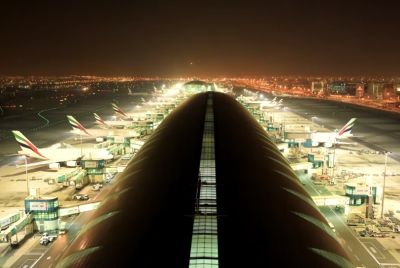
Flight information displayed on the official Dubai Airports website showed dozens of departures and arrivals throughout the day, primarily operated by Emirates, flydubai and a handful of other carriers on approved routes. Terminal 3, the main hub for long-haul flights, saw steady but noticeably lighter passenger traffic compared with pre-crisis levels.
Dubai Airports has maintained an active advisory urging travelers not to come to DXB unless their airline has confirmed a departure time. "Operations continue on a reduced but growing schedule," a spokesperson said in recent updates. "We advise all passengers to check directly with their airline for the latest information on their specific flight."
Background of Recent Disruptions
The current limited operations stem from a series of airspace closures and security alerts that began in late February and intensified through March 2026. Multiple drone-related incidents, including one that caused a brief fire near Terminal 3, forced temporary suspensions of flights and led to the diversion of hundreds of aircraft.
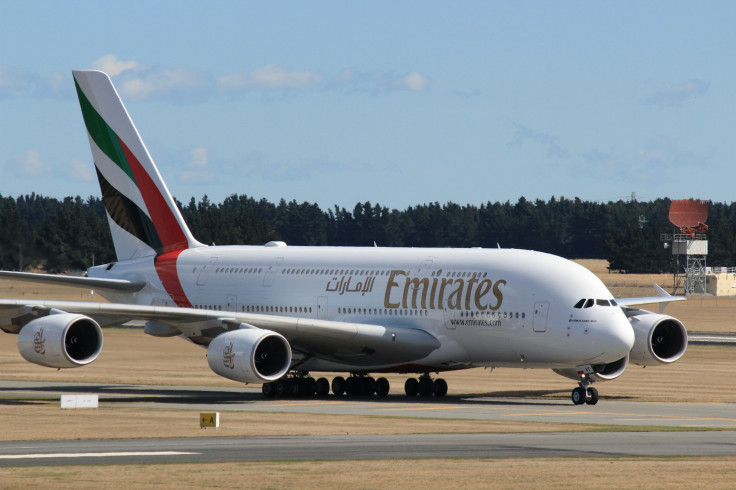
Airlines such as Emirates, the world's largest long-haul carrier, suspended most scheduled flights for periods in March before gradually resuming a restricted number of services. By early April, Emirates and flydubai had restored operations on more than 100 routes, though many long-haul destinations remained affected or subject to frequent changes.
Other carriers, including some European and Asian airlines, continued to operate limited or rerouted flights, while several international operators maintained suspensions or diversions to alternative hubs such as Abu Dhabi or Doha.
Dubai Airports CEO Paul Griffiths noted in late March interviews that the airport had facilitated journeys for over a million passengers in the preceding weeks despite the challenges, describing recovery as progressing to roughly 40-45% of normal traffic movements at times.
Passenger Experience and Travel Advice
Travelers at DXB on April 3 reported smoother processing than in previous weeks, with shorter security lines in some areas but still significant delays for certain flights. Many passengers described a sense of cautious normalcy returning, though large crowds of stranded or rebooked travelers remained visible in the terminals.
Airlines have issued repeated travel advisories. Emirates, flydubai and others continue to emphasize checking flight status frequently, as schedules can change with short notice due to evolving airspace conditions. Passengers are encouraged to arrive earlier than usual and to have flexible travel plans.
For those transiting through Dubai, some onward connections have resumed, but many remain subject to availability and security clearances. Dubai Airports has worked with airlines to prioritize rebooking of affected passengers, though backlogs persist for some routes.
Broader Regional Aviation Context
The disruptions at DXB reflect wider challenges across Middle Eastern airspace amid the U.S.-Iran tensions. Several countries have imposed temporary restrictions, leading to rerouting of flights and increased fuel and operational costs for carriers.
Neighboring hubs such as Abu Dhabi's Zayed International Airport and Doha's Hamad International Airport have absorbed some diverted traffic, helping maintain connectivity in the region. However, Dubai's central role as a global transit point means its partial recovery is closely watched by the international aviation industry.
Experts note that full restoration of normal operations could take additional weeks or months, depending on diplomatic developments and security assessments. Airlines are balancing the need to resume services with passenger safety and regulatory compliance.
Long-Term Outlook for Dubai Aviation
Despite the short-term challenges, Dubai's aviation sector continues ambitious expansion plans. The massive Al Maktoum International Airport (Dubai World Central) project is progressing, with the first phase targeted for the early 2030s. Once complete, it is expected to become the world's largest airport by capacity, eventually handling the majority of Emirates and flydubai operations and easing pressure on the aging DXB facility.
In the meantime, Dubai Airports is investing in resilience measures, including enhanced security protocols and contingency planning to minimize future disruptions.
For passengers planning travel to or through Dubai in the coming days, the key message from authorities remains consistent: verify flight status directly with your airline and allow extra time for any journey.
As of midday April 3, 2026, DXB was functioning without new interruptions, offering a measure of stability after weeks of uncertainty. While not yet back to pre-crisis levels, the airport's continued operation underscores Dubai's determination to maintain its status as a vital global aviation gateway even amid regional difficulties.
Travelers are urged to monitor official sources, including the Dubai Airports website and airline apps, for the most accurate real-time information. With Easter weekend approaching and many families planning holidays, authorities hope for continued smooth progress in restoring full connectivity.
© Copyright 2026 IBTimes AU. All rights reserved.
- Recommended For You