Dubai International Airport Fully Reopens Today with Growing Flights as DXB Recovers from Regional Crisis
DUBAI, United Arab Emirates — Dubai International Airport (DXB), the world's busiest airport for international passengers, marked a significant milestone on April 9, 2026, as it continued its strong recovery with expanded flight schedules and near-normal operations following months of disruptions caused by regional Middle East tensions.
After a series of airspace closures, drone-related incidents and temporary suspensions between late February and mid-March 2026, DXB has progressively resumed services. On April 9, the airport operated with its highest daily flight numbers in recent weeks, with Emirates and flydubai together scheduling over 220 passenger flights. Officials described the day as a key step toward full restoration, with many international carriers gradually returning to pre-crisis routes.
The recovery follows a challenging period triggered by escalating Iran-Israel conflicts that led to airspace restrictions across the Gulf, a drone strike near a fuel tank in early March that briefly halted operations, and subsequent precautionary closures. Flights were gradually reinstated starting in mid-March, initially on a limited basis to selected destinations, before expanding through April.
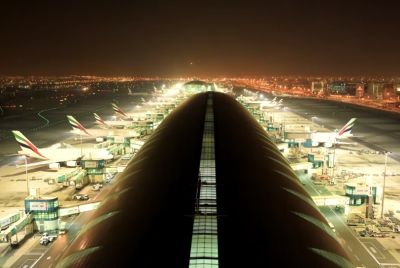
As of April 9, DXB is fully open across its three terminals with no new security incidents reported. Emirates has restored service to approximately 125 destinations, representing about 70-80% of its normal network, while flydubai operates a growing schedule. Several major airlines, including Air France, have restarted routes, and more European carriers are expected to follow pending an upcoming EASA safety review on April 10.
Dubai Airports spokesperson said in a statement: "Operations at DXB are stabilizing rapidly. We are seeing steady increases in both arrivals and departures as regional airspace opens further. Passenger safety and smooth connectivity remain our top priorities." The airport operator has advised travelers to arrive up to four hours early for international flights due to potential congestion during the recovery phase and ongoing verification processes.
The disruptions earlier this year stranded thousands of passengers and forced major schedule changes. Emirates suspended most long-haul operations for several weeks in March before beginning phased restarts. Thousands of travelers were rebooked or offered refunds as the hub worked through the challenges. Schools in Dubai reopened on April 3, and the city has seen a gradual return to normal rhythm, boosting passenger confidence.
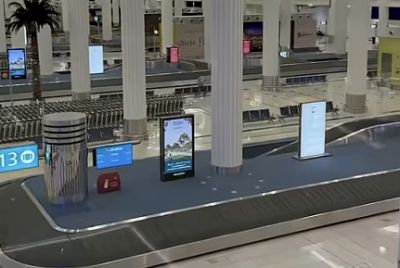
DXB handled record passenger numbers before the crisis, serving over 90 million travelers in 2025. The airport's three terminals — Terminal 1, Terminal 2 and Terminal 3 — feature world-class facilities, including extensive duty-free shopping, luxury lounges, hotels and seamless connections. Terminal 3 remains the primary hub for Emirates, while Terminal 1 handles many other international carriers.
Travelers on April 9 reported smoother experiences compared to previous weeks, with security screening times generally under 20 minutes and improved flow through immigration. Biometric gates and smart technology have helped speed processing. Airlines continue to update passengers via apps and websites, urging them to check flight status before heading to the airport.
The recovery at DXB is critical not only for Dubai but for global connectivity. As a major transit hub, the airport links Europe, Asia, Africa and the Americas. Its return to strength supports tourism, business travel and the broader UAE economy, which relies heavily on aviation.
Meanwhile, long-term expansion plans are advancing rapidly. The massive $35 billion Al Maktoum International Airport (DWC) project in Dubai South continues, with the first phase targeting completion in 2032 and ultimate capacity of up to 260 million passengers annually. Once fully operational, DWC is expected to eventually take over as Dubai's primary hub, allowing DXB to focus on premium and legacy operations.
For passengers arriving or departing today, DXB offers extensive amenities to ease travel. Free Wi-Fi, prayer rooms, medical clinics, children's play areas and a wide array of dining options from casual eateries to fine dining featuring international and local cuisine are available. The airport's Gold and Silver Class lounges provide premium experiences for eligible travelers.
Experts note that full restoration could take several more weeks as airlines rebuild crew schedules and secure final approvals. Some routes remain suspended or limited, particularly to certain Middle East destinations. Travelers are encouraged to monitor official DXB and airline channels for real-time updates.
The events of early 2026 have highlighted both the vulnerability and resilience of global aviation hubs. Dubai's swift recovery demonstrates the strength of its infrastructure and emergency response capabilities, bolstered by advanced security systems and close coordination between civil aviation authorities and airlines.
As DXB moves forward on April 9 with expanded operations, optimism is high for a strong summer travel season. The airport continues investing in passenger experience enhancements, including new retail concepts and technology upgrades to handle growing volumes efficiently.
Passengers flying today are advised to use the DXB website, mobile app or flight information displays for live updates on wait times, gate information and baggage services. Taxis, metro connections via the Red Line, and ride-hailing services provide convenient access to and from the city.
Dubai International Airport's reopening and rapid recovery today mark an important chapter in its storied history as a symbol of the UAE's ambition and adaptability. With regional tensions easing and flight numbers climbing, DXB is once again positioning itself as the premier global gateway it has long been known to be.
© Copyright 2026 IBTimes AU. All rights reserved.
- Recommended For You