SFO Security Lines Stay Under 15 Minutes While TSA Chaos Hits Other Airports Amid Government Shutdown
SAN FRANCISCO — While travelers at many major U.S. airports have endured hours-long security lines due to the ongoing partial government shutdown, San Francisco International Airport has largely escaped the chaos, with average TSA wait times remaining steady at 10 to 15 minutes and all checkpoints operating normally as of early April 2026.
SFO, one of the busiest airports in the country and a key international gateway for the Bay Area, participates in the Transportation Security Administration's Screening Partnership Program. This allows a private contractor, Covenant Aviation Security, to handle checkpoint screening under TSA supervision. Because the screeners are not federal TSA employees, they continue to receive uninterrupted pay during the funding impasse that has affected direct TSA operations elsewhere.

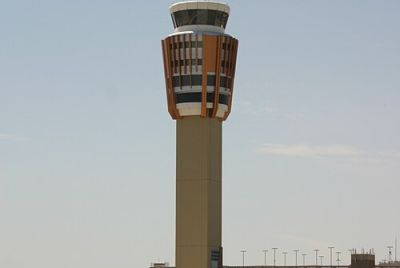
Airport officials and local reports confirm that security lines at SFO have stayed consistent with typical operations, even as spring break travel overlapped with the shutdown's impact on federal staffing. In contrast to airports like Phoenix Sky Harbor or others reporting waits of 30 minutes or more — and occasional checkpoint closures — SFO has maintained smooth flow. Peak waits rarely exceeded 20-25 minutes, with many travelers clearing security in under 10 minutes during off-peak hours.
"While we've seen and heard about the long security checkpoint lines over the last few weeks at major airports around the country, SFO is NOT experiencing this issue," the airport posted on social media in late March, highlighting its private contractor model as the reason for stability.
Current real-time data shows average security waits at SFO around 12 minutes overall. Early morning hours from midnight to 3 a.m. often see waits as low as 1-3 minutes, while busier slots like 6-9 a.m. may reach 15-25 minutes. PreCheck lanes and CLEAR biometric services further reduce times for eligible passengers, sometimes to just 2-5 minutes. One checkpoint in Terminal 3 (Boarding Area F3) has been noted as occasionally closed, but alternatives remain open and all gates stay accessible.
United Airlines, SFO's largest carrier, recently rolled out a helpful TSA wait time tracker in its mobile app for SFO and six other hubs. The feature provides estimated waits for both standard and PreCheck lanes, helping passengers plan arrivals more precisely amid broader travel uncertainties.
SFO handled approximately 54.5 million passengers in 2025, a 4.3% increase from 2024, with strong growth in domestic traffic. The airport serves as a major hub for United Airlines and a critical link for transpacific routes to Asia, which accounted for a significant share of its international traffic. Despite the shutdown, security screening screened millions without the widespread disruptions seen nationally.
The partial government shutdown, now stretching into April, has forced TSA officers at direct federal airports to work without pay, leading to increased callouts, fatigue and longer lines. Some airports consolidated lanes or temporarily closed checkpoints. SFO's model has provided a buffer: private screeners, paid through separate funding, reported full staffing and normal operations.
Airport spokesman Doug Yakel noted that contracted officers have kept average peak wait times under 10 minutes in many recent periods, even while processing high volumes. This stands in stark contrast to reports from other hubs where waits stretched to hours, prompting airlines to advise arriving three hours early for domestic flights.
Travelers at SFO praised the relative ease. Social media posts and local news shared stories of quick passages through security, with some contrasting their experience favorably against friends flying out of TSA-operated airports. "No lines at SFO — right through security," one passenger remarked after a recent trip.
SFO features multiple security checkpoints across its terminals: A and G in the International Terminal, B and C in Terminal 1, D in Terminal 2, and F1 plus the occasionally closed F3 in Terminal 3. All offer TSA PreCheck, Priority lanes and CLEAR where available. Hours vary slightly by checkpoint, with most opening as early as 3:15 a.m. and some operating nearly 24 hours.
In addition to standard procedures, SFO supports TSA ConfirmID, a fee-based identity verification service for passengers without REAL ID-compliant documents. The airport also uses advanced imaging technology and continues promoting efficient packing to speed screening.
Beyond security stability, SFO faces other operational pressures. A new FAA rule and temporary runway project have reduced hourly arrivals from 54 to 36 planes, potentially causing more flight delays independent of security. Officials emphasize that these changes do not affect checkpoint lines.
For passengers, the airport recommends arriving at least two hours before domestic flights and three hours for international, though the consistent security times mean many can adhere to standard guidelines without extra buffer for shutdown-related delays. The MyTSA app, United's tracker and SFO's own flight information displays provide helpful updates.
The Screening Partnership Program at SFO dates back years and makes it the largest U.S. airport using private contractors for screening. Only a handful of airports, including Kansas City and a few smaller ones, share this setup. During previous shutdowns, the model similarly prevented major disruptions.
Local leaders and travelers have noted the irony: while the shutdown highlights vulnerabilities in federal TSA staffing, privatized operations at places like SFO demonstrate an alternative that maintains reliability. However, all checkpoints still follow strict TSA security protocols and oversight.
As summer travel approaches, SFO continues investing in passenger experience with expanded dining, art installations and efficient terminal layouts. The airport consistently ranks well in traveler satisfaction surveys among large U.S. hubs.
Travel tips for SFO remain standard but especially useful now: enroll in TSA PreCheck or CLEAR for faster processing, pack liquids and electronics accessibly, wear slip-on shoes, and check real-time wait data before heading to the airport. Those without PreCheck should factor in potentially longer standard lanes during peak times like early mornings and evenings.
The broader context at SFO underscores a national conversation about airport security staffing. While most airports rely on federal TSA employees facing financial strain without pay, the private model at SFO has kept lines moving and morale steadier among screeners.
Passengers navigating the Bay Area's busy travel season can take some comfort in SFO's resilience. As the shutdown persists without a clear resolution, airports without direct TSA staffing continue to serve as a relative bright spot for efficient security.
SFO's role as a vibrant international gateway — connecting Silicon Valley innovation with global destinations — remains strong. With wait times stable and innovations like United's app tracker rolling out, the airport aims to keep travelers informed and moving smoothly even amid federal uncertainties.
Many who flew through SFO in recent weeks shared gratitude online for the predictable experience. "While friends complained about three-hour TSA lines elsewhere, we were at our gate in 45 minutes total at SFO," one Bay Area resident posted.
As conditions evolve, travelers should monitor official SFO channels and airline apps for the latest advisories. For now, San Francisco International stands out as a smoother option for those able to route through the West Coast hub.
Phoenix Sky Harbor and other TSA-direct airports have seen fluctuating improvements with auxiliary support like ICE agents, but SFO's private contractor advantage has provided consistent relief without such interventions.
With passenger numbers rebounding and technology enhancements in place, SFO positions itself well for the busy months ahead. The airport's ability to maintain normal wait times during a national staffing crunch serves as a case study in operational resilience.
© Copyright 2026 IBTimes AU. All rights reserved.
- Recommended For You