TSA PreCheck Remains Operational Amid Ongoing Government Shutdown, Offering Relief to Spring Break Travelers
As a partial government shutdown enters its fourth week on March 15, 2026, the Transportation Security Administration's TSA PreCheck program continues to provide expedited security screening for millions of enrolled travelers, even as standard lines at some airports stretch for hours due to staffing shortages.
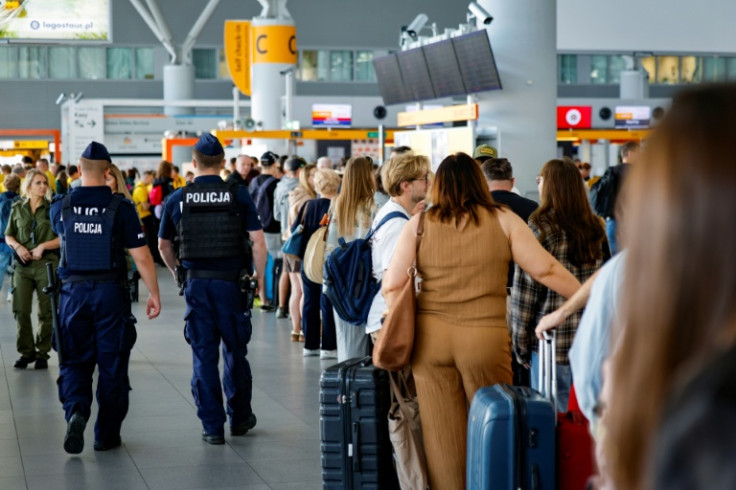
TSA PreCheck, the popular trusted traveler program that allows participants to keep shoes, belts, light jackets, laptops and 3-1-1 compliant liquids in their carry-ons, remains fully operational nationwide with no nationwide suspension, according to the latest updates from the Department of Homeland Security and TSA officials. About 99% of PreCheck passengers experience wait times of less than 10 minutes at checkpoints, a stark contrast to the extended delays plaguing regular lanes at busy hubs.
The program's stability comes after a brief scare in late February when DHS initially announced suspensions of both TSA PreCheck and Global Entry to reassign personnel amid unpaid TSA officers missing shifts. Within hours, the agency reversed course on PreCheck, stating it would "remain operational with no change for the traveling public." Officials emphasized case-by-case evaluations at individual airports if staffing constraints worsen, but as of mid-March, dedicated PreCheck lanes are open at most locations.
This reliability has proven especially valuable during the current spring break travel surge, when record passenger volumes coincide with the shutdown's impact. At airports like Houston's William P. Hobby, where standard lines exceeded three hours on some days earlier this month, PreCheck users reported waits of 10 to 15 minutes. Similar patterns appeared at other major hubs, including Atlanta and New Orleans, where limited staffing temporarily closed some PreCheck lanes but did not halt the program entirely.
"Use TSA PreCheck if you have it — it's still the fastest way through security right now," travel experts advise, noting that the fee-based program, funded by user enrollment rather than general appropriations, has largely insulated it from the shutdown's worst effects. Unlike Global Entry, which DHS reinstated on March 11 after a multi-week pause that exacerbated international arrival backlogs, PreCheck avoided prolonged disruption.
Enrollment in TSA PreCheck remains open and encouraged for frequent flyers seeking to bypass chaos. The process starts online at tsa.gov/precheck, where applicants complete a background check application in minutes before scheduling an in-person appointment at one of more than 1,300 enrollment centers operated by providers like IDEMIA, Telos and CLEAR. The standard fee is $78 to $85 for five years of membership, though discounts apply for military members, certain credit card holders and bundled services. Approved applicants receive a Known Traveler Number (KTN) typically within 3-5 days, though some cases extend to 60 days.
Once enrolled, travelers add their KTN to airline reservations or frequent flyer profiles to trigger the PreCheck indicator on boarding passes. At participating airports — virtually all major U.S. hubs — dedicated lanes expedite screening with reduced physical pat-downs and no mandatory shoe or belt removal. TSA maintains a checkpoint schedule tool on its website, allowing users to check lane availability by airport, day and time. If a PreCheck lane is unavailable, participants can present their boarding pass for expedited processing in standard lines.
Recent enhancements include the rollout of TSA ConfirmID, a new identity verification system strengthening security while maintaining efficiency, and expanded Touchless ID options at airports like Miami International. These innovations aim to further streamline experiences for PreCheck members.
The shutdown, triggered by congressional funding disputes over Department of Homeland Security priorities, has left TSA officers unpaid, prompting absenteeism and forcing airports to consolidate checkpoints or close some lanes. Experts warn that without resolution, disruptions could intensify, particularly as summer travel approaches. Some aviation analysts have floated privatizing screening at more airports — a model already in place at locations like San Francisco International — as a potential long-term solution to staffing vulnerabilities during fiscal impasses.
For now, PreCheck stands as a reliable buffer. Travelers without membership can explore enrollment at local centers, including evening and weekend hours at many sites. CLEAR, a separate paid service offering biometric lanes, partners with PreCheck for bundled benefits, sometimes waiving the enrollment fee.
Airports and airlines urge passengers to arrive earlier — at least two to three hours for domestic flights — and check live wait times via TSA's app, airport websites or tools like FlightAware's Misery Map. In shutdown-affected periods, flexibility and preparation remain key.
As the political standoff continues in Washington, TSA PreCheck's endurance underscores its value as a traveler-funded safeguard in uncertain times. With over 20 million active members benefiting from quicker, less invasive screening, the program continues to deliver on its promise of smoother journeys — even when broader airport operations face headwinds.
© Copyright 2026 IBTimes AU. All rights reserved.
- MOST POPULAR IN Travel Tips