JFK Airport TSA Wait Times Vary by Terminal Amid Spring Break Travel and Ongoing Government Shutdown Effects
Travelers at John F. Kennedy International Airport (JFK) faced mixed TSA security wait times Tuesday, March 17, 2026, with some terminals seeing lines exceeding 30 minutes while others cleared in under 5 minutes. Real-time data from the official JFK Airport website showed significant variation across the airport's terminals during peak spring break travel, compounded by lingering staffing pressures from the partial government shutdown now in its second month.
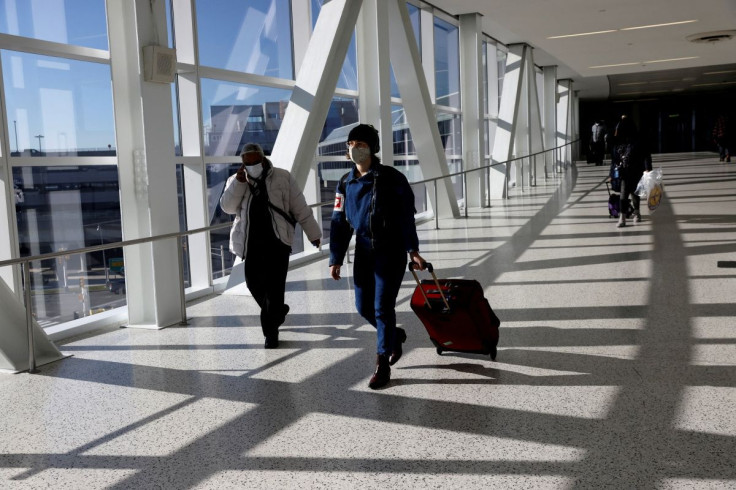
As of mid-morning EDT (late evening KST), general security lines stood at: Terminal 1 — 1 minute; Terminal 4 — exceeds 30 minutes; Terminal 5 — 20 minutes; Terminal 7 — 1 minute; Terminal 8 — 29 minutes. TSA PreCheck lanes offered faster access, with waits of no wait at Terminal 1, 7 minutes at Terminal 4, 10 minutes at Terminal 5, and 6 minutes at Terminal 8. Terminal 7 had no PreCheck listed. These figures update in real time on the airport's site, reflecting checkpoint conditions over recent minutes.
The disparities highlight Terminal 4 and Terminal 8 as hotspots, often due to high international traffic and major carriers like Delta, JetBlue, and American Airlines operating there. Terminal 4, a key hub for international arrivals and departures, frequently sees longer lines from global passengers navigating additional screening protocols. In contrast, Terminals 1 and 7 — serving airlines like Aer Lingus and British Airways — moved quickly Tuesday.
The ongoing partial government shutdown has exacerbated delays at JFK and other major U.S. airports during the busy spring break season. Staffing shortages from unpaid TSA agents and call-outs have led to longer processing times, though JFK's lines appeared more manageable Tuesday than earlier in the week. Reports from March 12-14 indicated waits up to 36 minutes at Terminal 4 and 33 minutes at Terminals 5 and 8, with PreCheck holding under 10 minutes. By March 17, some improvement occurred in non-peak terminals, but international-heavy checkpoints remained strained.
Average daily waits at JFK typically range 14-20 minutes for standard lines, climbing to 18-35 minutes during peaks like 6-9 a.m. and 4-7 p.m. Early mornings (5-8 a.m.) often see 24-minute averages due to business travel surges. Historical data suggests off-peak overnight hours dip below 15 minutes, but spring break crowds and shutdown effects push variability higher.
Passengers can monitor conditions via multiple sources. The JFK Airport website provides terminal-specific real-time updates, refreshed every few minutes, including PreCheck and estimated gate travel times post-security. The MyTSA app offers 15-minute interval estimates based on crowd-sourced and official data, though shutdown-related disruptions may affect accuracy. Third-party sites like Way.com and OnAirParking aggregate live feeds, reporting averages around 14-19 minutes recently.
To minimize delays, experts recommend arriving 2-3 hours early for domestic flights and 3+ hours for international, especially now. Enrolling in TSA PreCheck or CLEAR expedites screening: PreCheck allows kept-on shoes, laptops in bags, and shorter dedicated lanes, while CLEAR uses biometrics for front-of-line access. Programs remain operational despite earlier shutdown pauses. T4 Reserve at Terminal 4 lets passengers book free security slots in advance.
Additional tips include reviewing TSA guidelines on liquids (3-1-1 rule), avoiding prohibited items, and using mobile boarding passes. The airport advises checking flight status via airline apps, as security waits can compound with gate changes or delays.
JFK's five active terminals handle over 60 million passengers annually, making efficient security crucial. While Tuesday's data showed relief in some areas, the shutdown's impact persists, with no immediate resolution in sight after recent failed Senate votes. Travelers should plan conservatively and use live tools for updates.
As spring break continues, JFK remains a high-volume hub where preparation pays off. Real-time monitoring and expedited programs offer the best defense against unpredictable lines.
© Copyright 2026 IBTimes AU. All rights reserved.
- MOST POPULAR IN Travel Tips