Is JFK International Airport Wait Time Long Today? Trackers Indicate Security Waits from 60 to 83 Minutes
Travelers at John F. Kennedy International Airport faced significantly longer-than-normal TSA security lines on Friday, March 27, 2026, as the ongoing partial government shutdown continued to cause staffing shortages and unpredictable delays at one of the nation's busiest gateways.
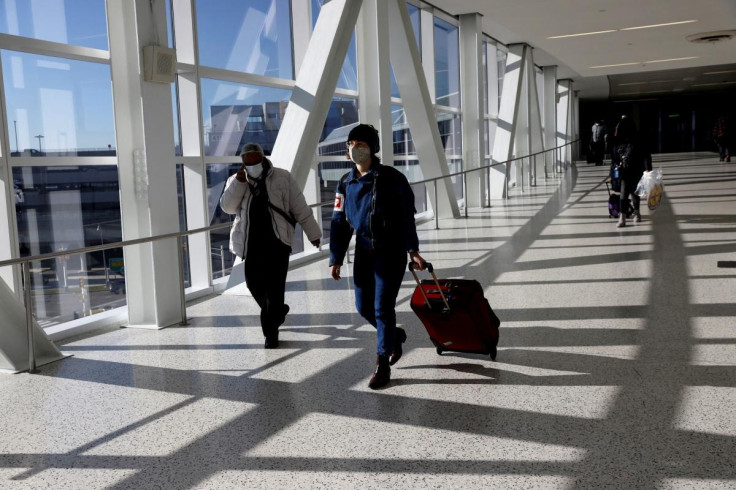
Official wait time reporting on the JFK airport website remained suspended, with a prominent alert warning that security lines "may be significantly longer than normal" due to the federal funding lapse and fluctuating TSA staffing levels. Third-party trackers and traveler reports indicated average standard security waits ranging from 60 to 83 minutes or more during peak periods, with some earlier days in the week seeing lines stretch to 90 minutes or beyond in PreCheck lanes and up to several hours in general lines at certain terminals.
The Port Authority of New York and New Jersey, which operates JFK, advised passengers to build in substantial extra time and monitor airline flight status closely. With spring break travel overlapping the shutdown, JFK — handling tens of millions of passengers annually as a major international hub — emerged as one of the airports hardest hit by call-out rates exceeding 30-40% among TSA officers.
Current Conditions at JFK on March 27
As of late March 27, real-time monitors such as OnAirParking and TakeoffTimer showed standard security checkpoint waits averaging around 78-83 minutes across terminals, with hourly forecasts suggesting sustained high pressure into the evening. PreCheck lanes, while generally faster, still experienced backups of 30-90 minutes on recent days, far above the typical 5-15 minutes. Terminal 4, the largest and busiest with heavy international traffic, consistently reported some of the longest lines.
The airport's five terminals each maintain separate checkpoints, and conditions vary:
- Early morning (5-8 a.m.): Often the most strained, with reports of 60+ minute waits.
- Midday: Variable, sometimes easing slightly but remaining elevated.
- Evening peaks: High demand from transatlantic and domestic flights.
JFK officials have suspended official estimates because wait times change rapidly based on passenger volume and available staff. Travelers posted photos and updates on Reddit and social media describing snaking lines, with some arriving four hours early to avoid missing flights.
Impact of the Partial Government Shutdown
The funding lapse, now stretching into late March, has left thousands of TSA workers without regular paychecks, prompting widespread call-outs as officers struggle with bills, childcare and commuting costs. Nationally, TSA has recorded its longest wait times in the agency's 24-year history, with some major airports seeing lines exceed four hours. At JFK and nearby Newark, call-out rates have hovered well above average, reaching 37% or higher on peak days.
To mitigate the strain, ICE agents have been deployed to assist with crowd management, directing lines and even providing water to weary travelers. In one notable incident at JFK, an ICE officer performed the Heimlich maneuver on a choking child in a PreCheck line, highlighting the human element amid the chaos.
Airlines including Delta have specifically warned customers departing JFK to expect longer security lines during peak times and to arrive earlier than usual. No new TSA PreCheck enrollments or renewals are processing until funding resumes, further limiting options for expedited screening.
How to Check Live Wait Times and Prepare
With official JFK trackers offline, passengers should rely on:
- Third-party sites such as OnAirParking.com, TakeoffTimer.com or the MyTSA app for user-reported and estimated data.
- Airline apps and websites for gate and flight updates.
- Social media channels, including Reddit's r/tsa, r/JFKAirport and r/delta, where real-time photos and experiences are shared.
- PANYNJ alerts via the Port Authority's Everbridge system for broader airport updates.
Practical tips for smoother travel through JFK today:
- Arrive at least three to four hours before domestic flights and even earlier for international departures.
- Enroll in or use TSA PreCheck, CLEAR or airline priority services if available — though these are not immune to delays.
- Prepare liquids in a quart-sized bag, remove electronics and wear slip-on shoes to speed screening.
- Consider off-peak arrival times when possible, though current conditions make every slot challenging.
- Have backup plans, including snacks, water and charged devices, as lines can move slowly.
Travelers without REAL ID-compliant documents may use TSA's ConfirmID process, but it adds 10-30 minutes or more.
Broader Travel Context in 2026
JFK serves as New York's primary international gateway, processing massive daily volumes across carriers like JetBlue, Delta, American and numerous foreign airlines. The combination of spring break surges and shutdown-related staffing issues has amplified normal peak-hour pressures, where waits historically range from 15-30 minutes but now routinely double or triple.
Similar challenges affect other busy hubs, including Atlanta and Houston, though some airports have managed shorter lines through better local staffing or lower volumes. At JFK, the mix of domestic, transatlantic and connecting passengers creates complex bottlenecks, especially in Terminal 4 and Terminal 8.
The shutdown has also led to flight delays and cancellations, compounding passenger frustration. Airlines urge checking status frequently, as security backups can ripple through the schedule.
What Travelers Are Experiencing
Recent accounts describe "insane" scenes with lines spilling across terminals, families missing connections and business travelers losing valuable time. Some report PreCheck offering only marginal relief, while general lanes stretch for hours during morning rushes. Positive notes include dedicated workers continuing despite unpaid status and occasional assistance from ICE personnel.
Psychological strain is evident as passengers share stories of exhaustion after multi-hour waits. Small businesses and tourism operators reliant on smooth arrivals and departures face indirect hits from disrupted travel.
Looking Ahead
As Congress continues negotiations to resolve the funding impasse, TSA officials have warned of lingering effects even after a deal is reached, including delayed recovery of staffing levels. Long-term, the episode underscores vulnerabilities in the screening workforce and the need for more resilient systems.
For now, on March 27, 2026, anyone heading to JFK should treat security as the biggest variable in their itinerary. Build in generous buffers, stay hydrated, monitor updates and exercise patience — frontline officers are working under difficult circumstances to keep travel safe.
JFK remains operational with parking, AirTrain and ground transportation functioning, but the message from airport authorities is clear: expect the unexpected and plan accordingly to avoid missing flights.
© Copyright 2026 IBTimes AU. All rights reserved.
- MOST POPULAR IN Travel Tips