JFK Airport TSA Wait Times Today: Long Lines Persist Amid Staffing Shortages and Spring Travel Rush
NEW YORK — Travelers heading through John F. Kennedy International Airport on Tuesday faced security lines that varied sharply by terminal, with some general checkpoints reporting waits of up to 32 minutes while others moved in under 5 minutes, according to the latest airport data. However, officials continue to warn that posted times may not reflect reality due to ongoing TSA staffing shortages tied to a federal funding lapse.
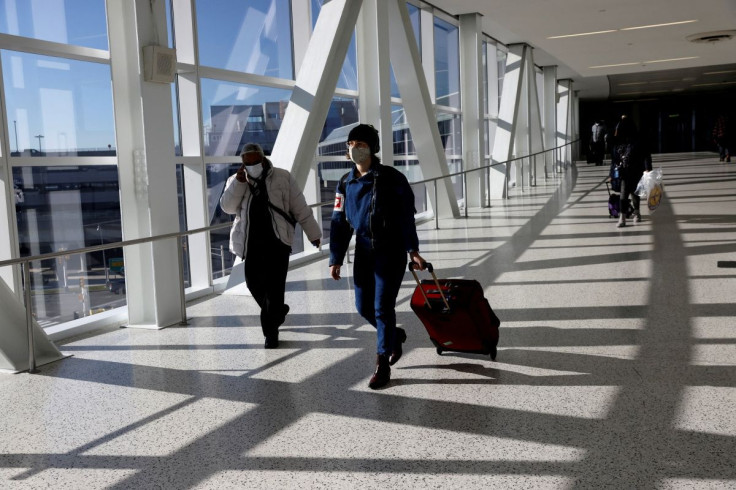
As of early Tuesday morning, March 31, 2026, JFK's official website listed the following approximate security wait times:
- Terminal 1: General 2 minutes, TSA Pre✓ 2 minutes
- Terminal 4: General 12 minutes, TSA Pre✓ 2 minutes
- Terminal 5: General 25 minutes, TSA Pre✓ 13 minutes
- Terminal 7: General 12 minutes, TSA Pre✓ not available
- Terminal 8: General 32 minutes, TSA Pre✓ 4 minutes
Airport authorities emphasized that these figures are estimates and can change rapidly based on passenger volume and available screeners. "Due to the federal funding lapse, TSA staffing shortages are causing rapidly changing security wait times," a prominent notice on jfkairport.com reads. "Airport staff are closely monitoring lines but posted wait times may not reflect current conditions."
The situation echoes challenges seen throughout late March, when some passengers reported waits exceeding one to four hours during peak periods, particularly in the early morning hours when international and domestic flights converge. Social media posts from March 26 showed long PreCheck lines snaking through terminals as early as 5:25 a.m., prompting airport officials to advise arriving more than four hours early for flights.
TSA staffing issues have contributed to some of the longest security waits in the agency's history at major hubs, including JFK. Call-out rates among officers have reached 40% to 50% at affected airports, exacerbating congestion during the spring break travel surge and typical weekday rushes. Peak hours at JFK generally fall between 5 a.m. to 9 a.m. and 3 p.m. to 7 p.m., when business travelers, families and international passengers create bottlenecks.
JFK, one of the busiest airports in the United States, handles millions of passengers annually across its five main terminals, each with its own security checkpoint. Terminal 4 and Terminal 5, which serve major international carriers and JetBlue respectively, often see higher volumes and correspondingly longer lines. Terminal 8, used primarily by American Airlines, showed the longest general wait in Tuesday's early update at 32 minutes.
Travelers with TSA Pre✓ or CLEAR memberships generally experience shorter lines, but even those lanes have faced delays in recent weeks when staffing is thin or when PreCheck lanes temporarily close. Some reports indicated PreCheck not functioning as expected on certain days, forcing enrolled passengers into regular lines.
To cope with the uncertainty, the Port Authority of New York and New Jersey, which operates JFK, has urged passengers to check their airline's flight status, monitor the airport website or use the MyTSA mobile app for real-time insights from fellow travelers. The app allows users to report and view crowd-sourced wait times, though official data has sometimes been paused or suspended during the funding issues.
Beyond staffing, several factors influence TSA wait times at JFK today and throughout the week:
- Passenger Volume: Spring travel remains robust, with families heading out for school breaks and leisure trips. International arrivals add pressure, especially in Terminal 4, a major hub for Delta and other carriers.
- Time of Day: Early mornings see the heaviest domestic and some international departures. Evening peaks occur as transatlantic flights board. Off-peak periods after 9 p.m. or before 5 a.m. typically move faster.
- Staffing Levels: The partial government funding lapse has limited TSA's ability to maintain full rosters. Training new officers takes four to six months, meaning short-term relief is limited even as hiring efforts continue.
- Terminal-Specific Operations: Each terminal manages its own checkpoints. Terminal 5 has shown higher general waits recently, while Terminal 1 often clears quicker for its mix of carriers.
- Additional Screening: Random secondary checks, international passenger requirements or heightened alerts for certain items can slow throughput.
Experts recommend several strategies to minimize delays at JFK security:
- Arrive Early: Allow at least three hours for domestic flights and four hours for international, especially during peak seasons. More time provides a buffer against unexpected lines.
- Enroll in Expedited Programs: TSA Pre✓, Global Entry or CLEAR can significantly reduce wait times for eligible travelers by allowing shoes, laptops and liquids to stay in bags.
- Prepare Your Bag: Follow the 3-1-1 liquids rule, remove electronics and place them in a bin, and wear easily removable shoes to speed screening.
- Check Real-Time Tools: Use the JFK airport website, MyTSA app, or third-party trackers like those from Delta or independent sites that pull checkpoint data.
- Consider Alternatives: For some routes, flying from nearby LaGuardia or Newark Liberty International Airport might offer different wait dynamics, though those facilities face similar regional staffing pressures.
- Monitor Airlines: Carriers sometimes adjust gate times or provide updates via apps when airport-wide delays occur.
JFK has implemented measures to ease congestion where possible, including additional personnel in high-traffic areas and improved signage. However, with the funding situation unresolved, rapid fluctuations remain the norm.
Travelers shared mixed experiences online. Some reported breezing through Terminal 1 or 4 in under 10 minutes on quieter mornings, while others in Terminal 5 or 8 described lines stretching far beyond standard queuing areas during busier windows. One traveler noted on social media that a posted 20-minute PreCheck wait turned into over an hour when the dedicated lane closed unexpectedly.
The broader context includes national concerns about TSA readiness. With major events like the upcoming FIFA World Cup on the horizon, which could bring millions of additional visitors, long-term staffing solutions are under discussion in Washington. TSA Deputy Administrator Ha Nguyen McNeill has highlighted the challenges in congressional testimony, noting the extended training timeline for new hires.
For those departing JFK today, the message from authorities is consistent: build in extra time and stay flexible. Weather, which can affect flight schedules and cause gate holds, may indirectly impact security queues as passengers bunch up.
JFK serves as a critical gateway to the world, connecting New York to hundreds of domestic and international destinations. Despite the current headaches at security, the airport continues operations with heightened monitoring to keep lines moving safely.
Passengers are encouraged to pack patience along with their travel documents. As staffing and volumes evolve, checking multiple sources before heading to the airport remains the best defense against missing a flight.
In summary, while Tuesday's posted waits appear relatively manageable in the early hours, the persistent staffing shortage means conditions can deteriorate quickly, especially as the day progresses into afternoon and evening rushes. Travelers should prioritize preparation and real-time verification to navigate JFK security smoothly.
© Copyright 2026 IBTimes AU. All rights reserved.
- MOST POPULAR IN Travel Tips